Cities
The Best Yamazaki Whiskey Tour in Kyoto
A collector-grade Kyoto-to-Yamazaki day: hard-to-secure access, mizunara nuance, centennial legacy, and a pairing dinner designed for serious whiskey lovers.
There is a particular frustration that even the most well-resourced traveler eventually meets in Japan: the moments you cannot simply purchase. At Suntory’s Yamazaki Distillery, the most coveted visits are defined less by wealth than by access—by timing, restraint, and the quiet advantage of knowing how the system truly works.
When “Sold Out” Is the Point
Many luxury whiskey experiences promise exclusivity, then deliver a crowded tasting room and a gift shop finale. Yamazaki is different. Demand is so persistent that certain distillery experiences are controlled through limited releases and lottery-style reservations, and availability changes over time.
For collectors and connoisseurs, that gatekeeping is not an obstacle—it is the signal. It tells you the distillery has nothing to prove and nothing to chase. Your role is to approach it correctly and to let Japan’s most storied single malt reveal itself on its own terms.
This report shows what a truly elevated visit can feel like: a private, chauffeured transition from Kyoto; a focused encounter with Yamazaki’s birthplace landscape; and a dinner that treats Japanese whiskey as a legacy asset—meant to be held, shared, and remembered.
What Is the Yamazaki Prestige Experience?
In practice, a “Yamazaki Prestige Experience” is defined by access, not extravagance. The most desirable distillery sessions are limited and not always easy to secure. A luxury visit means planning around reservation releases, arranging flawless transport from Kyoto, and pairing the distillery with a collector-minded tasting and dinner designed for serious palates.
- Access: limited-capacity visits; availability varies and often requires careful timing.
- Setting: Yamazaki’s environment—where rivers meet at the foot of Mount Tennōzan—shapes the distillery’s character.
- Legacy: Yamazaki’s top expressions have achieved headline-making auction results, reinforcing “asset” thinking.
- Execution: the true luxury is a day that moves quietly and precisely, from ryokan to tasting to table.
The Power of Access: Why Entry Is Not Simply for Sale
Suntory’s Yamazaki Distillery is in Shimamoto, Osaka Prefecture, positioned between Kyoto and Osaka. It is close enough to be easy, and famous enough to be difficult. That tension is exactly what Mavisitseel earned.
Unlike many premium attractions, the most in-demand distillery experiences are not commodities that are “always available.” Availability depends on Suntory’s official reservation system and the distillery’s operating calendar. At certain times, securing a place can feel less like booking a tour and more like obtaining a seat at a private performance.
For ultra-high-net-worth travelers, the difference is not whether you can pay. It is about planning with discipline and moving with agility when opportunities arise. Timing, flexibility, and insider awareness become the real currency.
What This Means for Luxury Kyoto Distillery Tours
A luxury Kyoto distillery day is best treated as a sculpted itinerary rather than a fixed appointment. When the distillery confirms availability, everything else must already be prepared—driver, pacing, and dining—so the day never feels rearranged at the last minute.
That is the quiet advantage of concierge design: the experience is not “better” because it is louder. It is better because nothing interrupts it.
Artistry Over Industry: The Terroir of Yamazaki, Where Rivers Converge
Yamazaki’s story begins with place. The distillery sits near the confluence area of three rivers: the Katsura River, the Uji River, and the Kizu River, which join to form the Yodo River. This geography has historically been associated with clean water and misty air—elements that many enthusiasts view as part of Yamazaki’s sensory identity.
There is a palpable shift when you arrive. Kyoto’s refined stillness gives way to wooded edges and damp air that clings lightly to stone and cedar. You do not feel as if you have entered an “industrial site.” You feel as if you have stepped into a living atelier.
Inside, the language of creation is everywhere: the disciplined repetition of craft, the patience of maturation, and the careful stewardship of cask influence. For the serious guest, the romance is not marketing. It is the slow, measurable passage of time.
Where the Katsura, Uji, and Kizu rivers converge, a unique microclimate of mist and pure water creates the legendary Yamazaki profile.
Mizunara Oak Single Malt: The Scent of Time, Not Trend
Among collectors, few words carry the quiet charge of mizunara. Mizunara oak is prized for the distinctive aromas it can impart—often described by enthusiasts in notes that lean toward incense-like spice and sandalwood.
It is also notoriously demanding. The wood can be porous and temperamental, and the cask’s influence is neither quick nor guaranteed. In a world that increasingly chases immediate intensity, mizunara rewards those who value restraint and long horizons.
That is why a mizunara-influenced single malt can feel like more than flavor. It can feel like lineage—an object lesson in why the Japanese whiskey renaissance has never been about volume.
Suntory 100th Anniversary: A Milestone that Changed the Conversation
Suntory marked its 100th anniversary in 2023, a moment that sharpened global attention on the house’s legacy and its scarcity-driven releases. For collectors, anniversary editions are not only celebratory. They are historical markers—bottles that anchor a timeline.
This is also where emotion and investment begin to overlap. A commemorative release is still meant to be enjoyed. Yet it is also an artifact from a specific cultural and corporate milestone, and the market often treats it accordingly.
For the traveler who collects with intention, visiting Yamazaki after the centennial is like visiting an atelier after a major retrospective. You are not just tasting whiskey. You are touching a legacy that has been formally acknowledged globally.
Japanese Whiskey Investment: When a Bottle Becomes a Legacy Asset
The auction world has amplified what devoted whiskey lovers already knew: the rarest Japanese bottles can command extraordinary prices. Yamazaki’s top-tier releases—such as Yamazaki 55—have been widely reported for achieving headline-grabbing results at auction, reinforcing Japanese whiskey’s position in the luxury collectibles sphere.
For our clientele, the most important point is not speculation. It is stewardship. A great bottle is a portable inheritance: something that can be cellared, insured, documented, and eventually opened on a date that matters.
In that sense, a Yamazaki-focused journey is not simply a day trip. It is part of a broader personal archive—like art, watches, or wine—where provenance and story elevate value.
Collector’s Mindset: What to Look For (Without Overpromising)
- Traceable provenance: keep purchase records and storage notes as you would for any collectible.
- Condition discipline: temperature, light exposure, and upright storage matter for long-term holding.
- Release context: Anniversary editions and limited releases often carry greater narrative weight.
- Personal meaning: the most valuable bottle is often the one tied to a family milestone.
Seamless Concierge Integration: Kyoto Ryokan to Distillery, Without Friction
The day should begin in Kyoto with the kind of calm that only a great ryokan can provide—soft light, quiet corridors, and breakfast served with ceremony. Then, without any visible effort, the city falls away.
A private chauffeured vehicle changes the emotional temperature of the journey. There are no station transfers, no platform crowds, and no sense of being rushed into the next moment. You have time to set your palate and your attention.
Arriving at Yamazaki this way matters. The distillery is not a box to tick. It is a place to meet with composure.
Retreat into the quiet luxury of a private chauffeur-driven cabin, where the city’s bustle fades into a focused, tranquil prelude.
Inside Yamazaki Distillery: A Visit That Feels Like a Private Education
Yamazaki Distillery is operated by Suntory and is recognized as Japan’s first malt whisky distillery, established in 1923 by Shinjiro Torii. That founding date is not trivia. It is the beginning of a distinctly Japanese approach to whisky making—one shaped by local conditions, local craft, and an aesthetic preference for balance.
The best visits are paced like a masterclass. You are not rushed from room to room. You are given time to connect raw materials to aroma, process to texture, and wood to finish.
Even for guests who already understand whisky deeply, the value lies in the place's coherence. Yamazaki does not feel like a brand stage-set. It feels like a living workshop, still faithful to its origin story.
The Detail That Lingers: Water, Air, and Patience
There is a reason Yamazaki is spoken about with near-reverence. When you stand in its environment—close to rivers, close to forested edges—you sense why enthusiasts talk about “soul” with a straight face.
In luxury, we often mistake complexity for depth. Yamazaki teaches the opposite. Depth is what remains when you remove everything unnecessary.
After the Distillery: A Curated Pairing Dinner in Kyoto
For discerning guests, the distillery is only the first act. The second is Kyoto, at night, when the city becomes intimate again—lantern light, quiet entrances, and a table prepared with deliberation.
A pairing dinner should not drown the whisky. It should frame it. The most successful menus lean into clarity: seasonal Kyoto ingredients, clean technique, and pacing that allows aroma to evolve in the glass.
In a private setting, conversation slows. You begin to notice what Japanese whisky does so well: it holds nuance without demanding attention, and it grows more expressive as the evening unfolds.
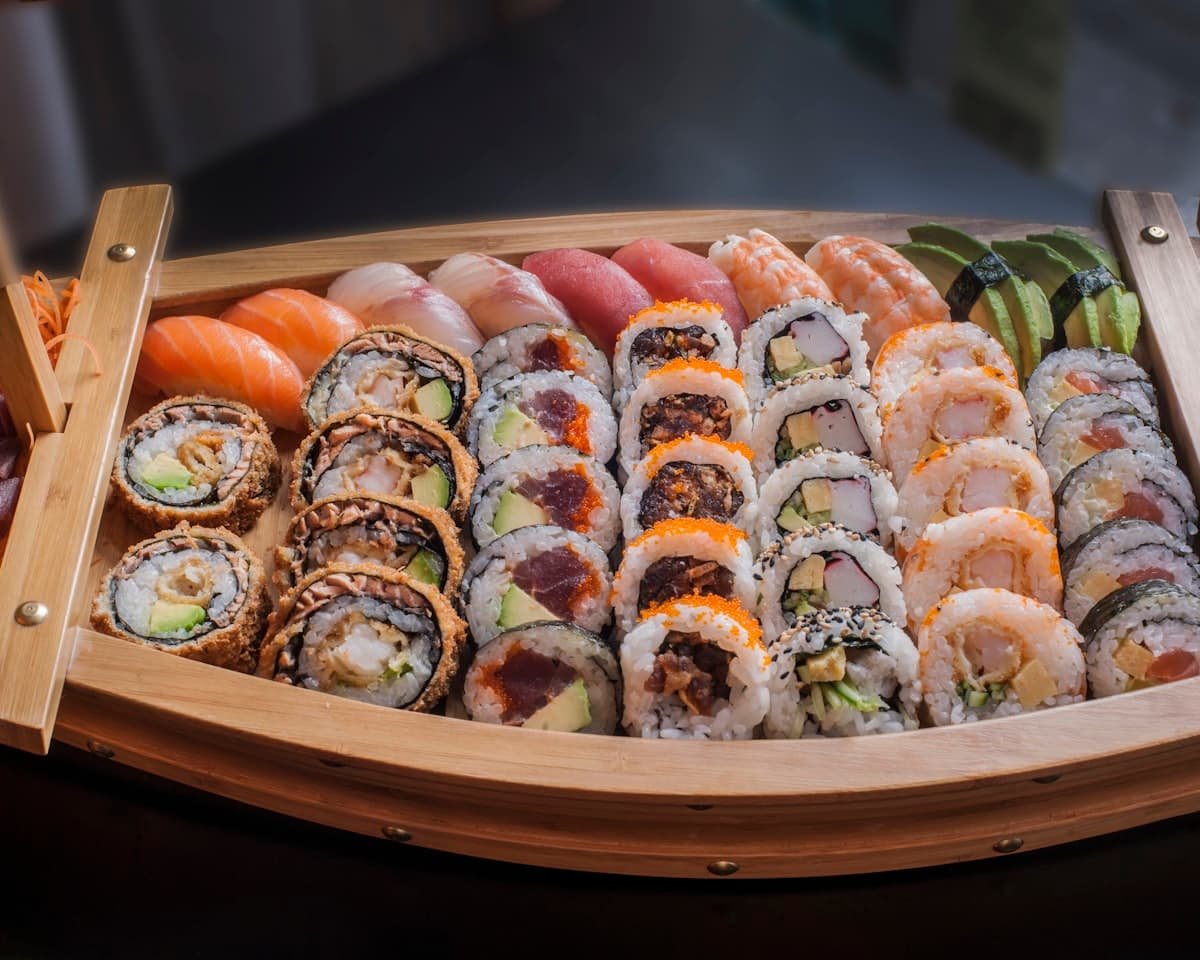
Seasonal Kyoto ingredients are meticulously prepared to frame the whiskey, ensuring every clean flavor enhances the complex aromas found within the glass.
Designing the Day for the Discerning Collector
To elevate this journey, the itinerary must feel inevitable—as if it could only have happened this way. That means thoughtful spacing, privacy, and a sense of narrative from morning to night.
It also means restraint in promises. The distillery’s availability is not something any operator should claim to control. The luxury lies in readiness: monitoring official releases, acting quickly, and building a Kyoto plan that remains exceptional even if a reservation window shifts.
When the timing aligns, the result is quietly exhilarating. Not because you were indulged, but because you were admitted.
Suggested Flow (Adaptable to Availability)
- Morning: unhurried departure from Kyoto with a private chauffeur.
- Midday: Yamazaki Distillery visit (subject to Suntory’s official reservation availability).
- Afternoon: return to Kyoto for rest, shopping, or a short cultural visit based on your interests.
- Evening: curated pairing dinner with a whisky-forward progression.
The Yamazaki Legacy Is Earned, Then Kept
The Yamazaki legacy is not built on spectacle. It is built on place, patience, and a controlled scarcity that makes access meaningful. For the collector, it also offers a compelling intersection of culture and capital, where rare releases can become legacy assets.
The most refined version of this journey is never a standalone “tour.” It is a seamless Kyoto-to-Yamazaki passage, executed with precision, and completed with a dinner that treats Japanese whisky as something to honor—then, one day, to open.
Securing the Impossible
If you are considering a Yamazaki Prestige Experience as part of a Kyoto stay, we can design a collector-grade day around the realities of official reservations—chauffeured transfers, discreet pacing, and an evening pairing tailored to your cellar and palate. Share your travel dates, your preferred Kyoto ryokan style, and the bottles you most want to understand.