Cities
The Ultimate 2026 Guide: 7 Best Ways to Travel From Tokyo to Osaka
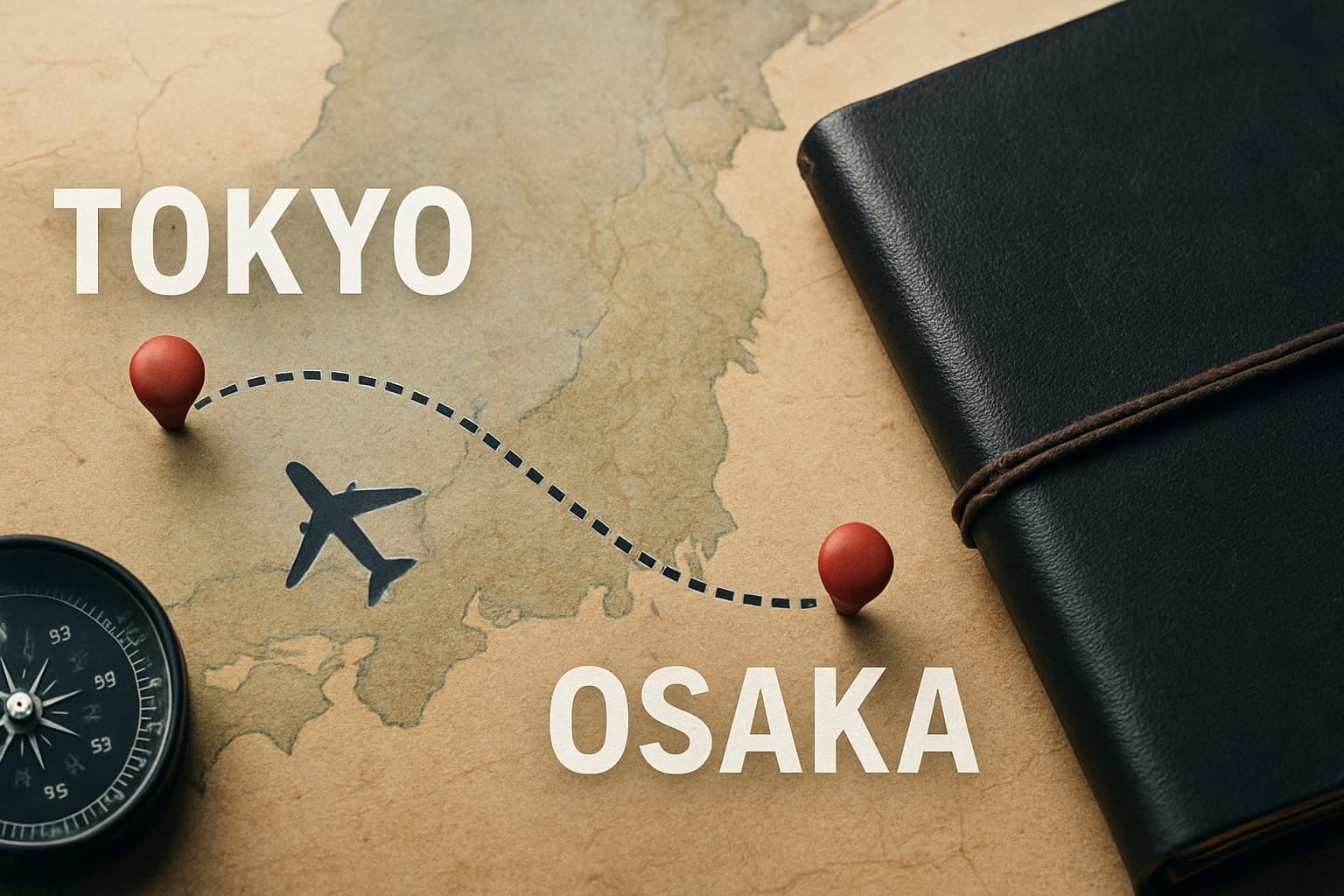
Explore 7 smart routes for traveling Tokyo to Osaka in 2026 Compare the fastest, most comfortable, and budget friendly options to plan your ideal journey
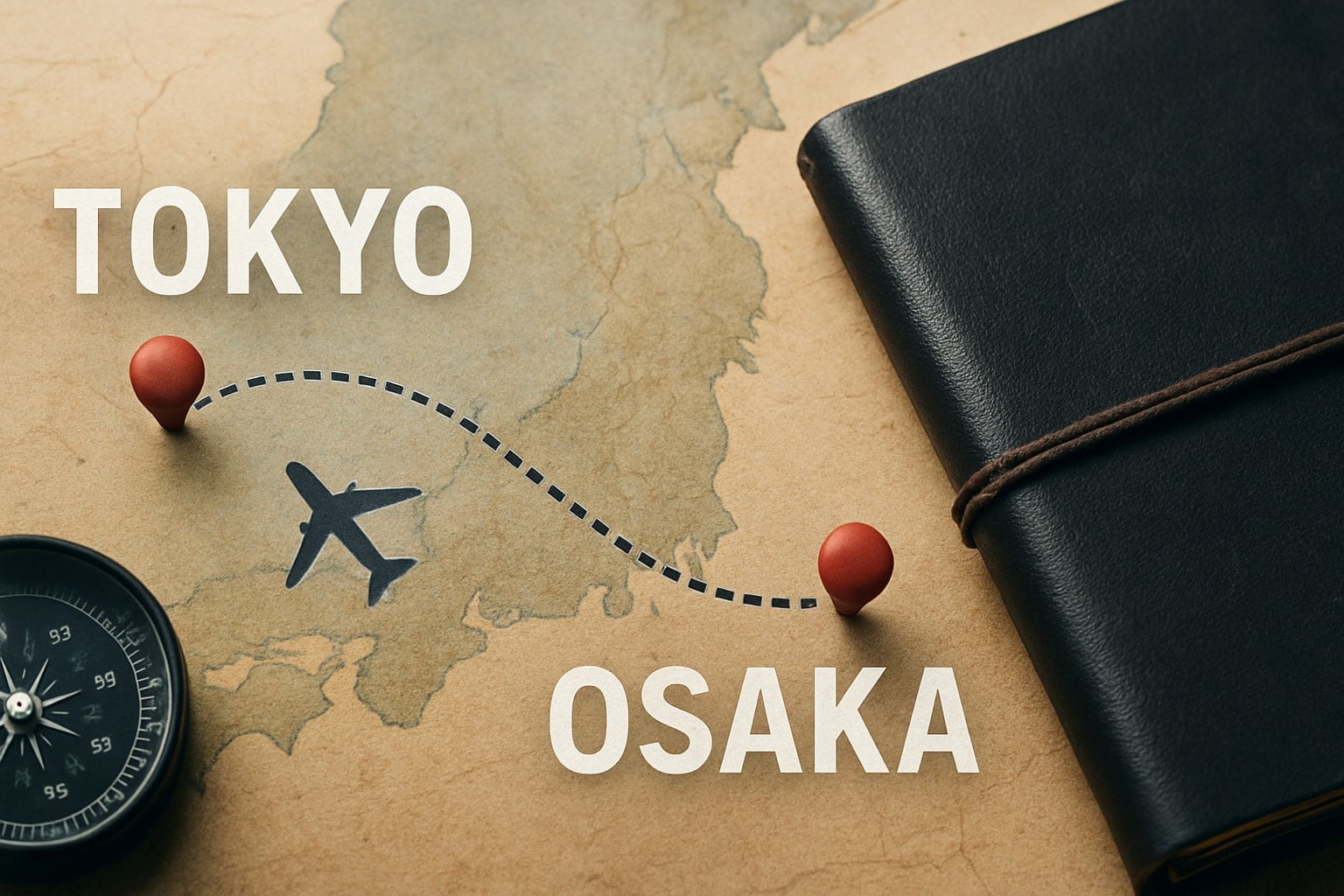
At Tokyo Station, the departure boards clack over and a guy behind you sighs, “Nozomi… again.” Loud. Fast. Still weirdly orderly.
Tokyo to Osaka isn’t just a transfer you “knock out.” It’s two moods with a hard seam, and the vehicle you pick decides whether your day feels like a sprint, a nap, or a long sideways glance out a window that won’t stop offering something.
This 2026 guide spells out the saner ways to make the hop, with trade-offs that actually sting and price ranges that match what people see. Some routes are quick. Some are cheap. Some just sit right.
We’ll run through seven options—old standbys, a couple underused plays, and the new tech everyone keeps whispering about—plus the small annoyances people swear they “didn’t know.” Worth it.
Want the cleanest line from Tokyo’s pace to Osaka’s chatter? Let’s sort the choices without the salesy haze.
Tokyo to Osaka Travel Overview: What's New in 2026?
This corridor has been shifting for decades. The overnight era faded, the high-speed run became routine, and then the whole thing got tidied up—more outlets, improved seats, less awkward boarding—until it turned into the default move for plenty of visitors. In 2026, the menu opens back up, and matching a route to how you truly travel is less of a guessing game.
New private Shinkansen rooms lean hard toward personal space and high-speed practicality, built for 2026 travelers who want privacy without giving up pace.
Most changes are procedural, not just glossy. You’ll spot next-generation Shinkansen sets in normal rotation, more highway buses with premium sleeper layouts, and the much-discussed Chūō Shinkansen maglev beginning service between Tokyo and Nagoya. That last piece matters because it nudges how people plan the Tokyo–Nagoya–Osaka chain, even while the Osaka extension still isn’t done.
The main cast hasn’t changed: JR Shinkansen, the big domestic airlines, long-haul bus operators, private railways, and a bigger mix of car rental and ride-share than you’d expect. Choose based on what you’ll notice most—time pressure, budget bite, or the itch to hop off somewhere for shun snacks and a ten-minute wander.
Here's a quick comparison of the main travel modes from Tokyo to Osaka in 2026:
| Mode | Operator(s) | Avg. Travel Time | Highlights | |---|---|---:|---| | Shinkansen | JR Central/West | 2.5–3 hours | Fast, frequent, scenic | | Maglev (partial) | JR Central | 1.5–2 hours* | Ultra-fast, innovative | | Domestic Flight | ANA, JAL, Peach, Jetstar | 3–4 hours total | Airport access, quick air hop | | Highway Bus | Willer, JR Bus, others | 7–9 hours | Budget, overnight options | | Car Rental | Multiple | 5–7 hours | Flexible, sightseeing detours | | Local Trains | JR, Odakyu, private rail | 9–10+ hours | Scenic, regional stops |
*Maglev time for Tokyo-Nagoya in 2026, future extension to Osaka.
When you sketch this trip, start with the blunt question: what are you guarding—your morning, your cash, your back, or your curiosity? Sustainability is part of the chat more often now, and so is the drift toward premium add-ons that feel closer to omotenashi than a plain commute.
One loud headline is advanced rail tech becoming harder to ignore. If you want an outside read on next-gen Shinkansen and the maglev buildout, see Japan's 2026 Rail Revolution. At JRS, Yasu told us he tried to catch a Nozomi after a late client pickup at Tokyo Station at 07:12, cut through Yaesu, rode the “wrong” down escalator near the coffee kiosk, and muttered, “Ah—my legs picked the bad side,” before buying a hot can coffee and waiting it out.
7 Smart Routes for Traveling from Tokyo to Osaka in 2026
Tokyo to Osaka in 2026? It’s all choices.
Some travelers want the quickest line and hate transfers with a real passion. Others will trade hours for a lower fare, or for slow, wabi-sabi wandering that makes a plain relocation day feel like a story you’ll repeat later. Below are seven routes—some obvious, some overlooked—that reflect how people actually move between these cities right now.
High-speed rail and premium buses sit side by side in 2026, and the “right” pick usually hinges on your sleep clock and your tolerance for spending.
1. Shinkansen Bullet Train: The Fastest and Most Iconic Way
The Shinkansen still sets the bar for this run. In 2026, you’re basically choosing between Nozomi, Hikari, Kodama, and the newer N700S series, all known for sharp timing and a service rhythm that rarely wobbles.
Trains come often—roughly every 15 minutes—and the quickest rides put you in Osaka in as little as 2 hours and 29 minutes. You can decide late: unreserved if you don’t mind improvising, reserved if you want zero seat drama, Green Car for extra space, Gran Class if you’re leaning into “fine, I’m doing it.”
Budget about ¥14,000 for standard and up to around ¥19,000 for premium. Wi‑Fi is usually there, seats are forgiving, and ekiben is still the right move; on a clear winter morning when Fuji shows up, the car goes quiet in that unplanned way and you hear someone whisper, “There.”
Best part: city-center to city-center. That’s the trick. For updated travel tips and route insights, consider the latest Travel to Japan in 2026 tips.
2. Highway Bus: Budget-Friendly and Overnight Comfort
Want the lowest price? Usually this wins.
Highway buses run day and night, and the better lines—often branded “Dream” or “Willers”—aim for comfort without pretending it’s a hotel bed. Typical run time sits around 7 to 9 hours, which is why the overnight option stays popular: you sleep (or kind of sleep), and you skip paying for a room that night.
Fares often start around ¥4,000 and usually stay under ¥10,000. Many buses now have Wi‑Fi, decent recline, and luggage storage, plus those late rest stops where the fluorescent lights hit hard and the air smells like fried chicken and coffee at 2:10 a.m. Big mistake if you board without a neck pillow. Or water.
A standard play is leaving from Shinjuku Expressway Bus Terminal and rolling into Osaka Station. If you’re traveling solo, or you’re counting yen down to the coins, this can feel like a small win you earned.
3. Domestic Flights: Quick Air Hops with Multiple Airport Choices
Flying works when the rest of your day depends on it.
Tokyo’s Haneda and Narita connect to Osaka-area airports—Itami, Kansai, and Kobe—so you can line up the landing with where you’re actually sleeping. The airborne part is short, about 1 to 1.5 hours, but door-to-door usually stretches to 3 to 4 hours once you add transfers, check-in, security, and the waiting that somehow always appears.
Prices swing from about ¥7,000 to beyond ¥20,000 depending on airline, season, and how late you book. I always think I’ll “just breeze through,” and then I remember the train-to-terminal leg is its own little trip, and suddenly the Shinkansen doesn’t look so slow anymore.
JAL, ANA, Peach, and Jetstar keep schedules busy. Some fares include checked luggage, and promos do show up, which can flip the math if you’re already near an airport and traveling light.
This is for travelers who need the air network’s flexibility, not just speed on a spreadsheet. If what you want is an easy city-center-to-city-center hop, rail usually feels calmer.
4. Private Car or Car Rental: Flexible, Scenic Road Trip
A car makes the transfer into a chain of choices. That’s the point.
Driving Tokyo to Osaka is about 492 kilometers and often takes 5 to 7 hours, with traffic and stops deciding the vibe. Rentals can start around ¥8,000 per day, and tolls add roughly ¥10,000, so this starts making sense with a group, or with a plan that’s more than “just get there.”
Here’s the messy truth: you might swear you’ll drive straight, then you see a sign for a viewpoint, then you’re pulled off the road, then you’re in a parking lot debating snacks—shun fruit, something salty, whatever—and once you accept that the schedule is now “soft,” the whole day gets easier, and you start treating the route like shokunin craft instead of a commute.
If you want the trip to feel less like a relocation and more like a day out, go through the Chubu region and give yourself permission to linger in smaller towns. Season matters too: autumn can feel crisp and generous, while summer traffic can grind even a patient driver down.
5. Local & Regional Trains: Slow Travel for the Scenic Route
This is the long way. On purpose.
By stitching together JR lines, Odakyu, and limited express services, you turn Tokyo–Osaka into a string of regional snapshots. It’s slow—9 to 10 hours or more, transfers included—and you’ll feel every station chime, every platform change, and every “wait, is this the right car?” moment.
Costs usually land around ¥8,000 to ¥12,000, especially if you’re using a Japan Rail Pass. What you get back is the freedom to hop off, eat something local at its shun peak, and see towns that fast travelers never register because they’re already miles ahead.
If you like lingering and don’t mind logistics, this route can be oddly satisfying. For more ideas on slow travel between Tokyo and Osaka, explore slow travel experiences in Japan.
6. New Maglev (Chūō Shinkansen): The Future of Ultra-Fast Travel
Maglev is the 2026 tease.
The Chūō Shinkansen is set to start by running Tokyo to Nagoya, using magnetic levitation with headline speeds up to 500 km/h. That segment is expected to take about 40 minutes, and once the Osaka extension opens later on, the full Tokyo–Osaka run could drop under 1.5 hours.
The pitch is smooth and quiet, with an eco-friendly angle compared with older options. Fares are expected to run higher than standard Shinkansen, so it likely won’t become everyone’s default right away—more like a premium shortcut for early adopters and tech-leaning travelers who want to say they did it.
For now, the workable approach is pairing Maglev to Nagoya with a Shinkansen transfer onward to Osaka. Hybrid day. New tech first, familiar efficiency second.
7. Ride-Sharing & Premium Transfers: Door-to-Door Ease
Sometimes you just want the car downstairs. No debates.
Ride-sharing and premium transfers—taxis, Uber Japan, Didi, and chauffeur-driven luxury vans—fit travelers who want privacy, need extra help, or are moving with bulky luggage. Expect around 6 to 8 hours depending on traffic, and prices from about ¥50,000 for private transfers, while ride-share fares swing with demand and vehicle size.
What you’re buying is relief: pickup and drop-off where you actually are, more room to breathe, and a driver handling the awkward bits like toll gates and parking. Families with kids, older travelers, and groups who don’t want to wrestle stations often find this is the least stressful path, even when it stings.
A pre-booked luxury van from a Tokyo hotel to your Osaka accommodation keeps the day plain and steady, especially in rainy season when dragging suitcases through crowds feels like punishment.
Comparing Route Options: What's Best for Your Travel Style?
There isn’t one “best” route. There’s your best route.
Start with what you’ll regret most later: losing time, overspending, feeling folded into a seat, or missing the chance to see anything between the cities. Once you name that, the choice stops feeling fuzzy.
Some people type through the ride at 300 km/h; others want a slower window and a longer pause. Both can be the right call.
Speed vs. Cost: Quickest and Cheapest Routes
If speed is non-negotiable, the Shinkansen stays up top: Nozomi does it in 2 hours and 29 minutes, and the Maglev plans point to even shorter times once the network expands. If your budget is tight, highway buses and pass-friendly local trains usually sit at the bottom of the price ladder. An overnight bus can dip to ¥4,000, and it can also wipe out a hotel night, which is why it keeps winning with budget travelers even if the sleep is… not amazing.
Fastest: Shinkansen, Maglev (future) Cheapest: Highway bus, local trains Mid-range: Domestic flights (with booking), car rentals for groups
A quick comparison:
| Route | Fastest Time | Lowest Price | |---|---:|---:| | Shinkansen | 2h 29m | ¥14,000 | | Highway Bus | 7h–9h | ¥4,000 | | Flights | 3–4h total | ¥7,000+ |
Get the balance right and the day feels light instead of squeezed. Get it wrong and you’ll know by lunchtime.
Comfort and Experience Premium vs. Adventure
If comfort is your main filter, Green or Gran Class on the Shinkansen and premium transfers tend to feel the gentlest. More space. Quieter energy. Fewer tiny frictions, like juggling luggage in a narrow aisle. If you want the trip to feel like part of the vacation, local trains or a self-drive run can hand you those unplanned detours that stick—sometimes because they’re lovely, sometimes because you took the wrong exit and had to shrug and keep going.
Most comfortable: Shinkansen Green/Gran Class, premium transfers Most adventurous: Local trains, car rental Scenic routes: Via Mt. Fuji, Hakone, or coastal towns
Solo travelers and couples often slip in a stop at Hakone for onsen time and mountain air, then continue on when the crowds thin. For inspiration on unique stops between Tokyo and Osaka, explore Hakone 2026 sightseeing detours.
Families usually want fewer transfers and fewer surprises, while slower travelers accept a bit of friction if the payoff is a better day.
Sustainability and Accessibility
Sustainability comes up a lot with Tokyo–Osaka travel. Rail—Shinkansen now and Maglev as it grows—generally leads the lower-emissions argument, and bus companies are also nudging fleets in greener directions. Flying is usually higher-emissions, even as airlines work on reducing impact.
Eco-friendly: Shinkansen, Maglev, green buses Accessible: All major routes, car hire for custom needs Tip: Compare CO2 emissions for train versus flight
Accessibility is strong across the big routes, with stations and vehicles designed for wheelchair users and travelers who need assistance. For more comprehensive guidance on planning your ideal Tokyo-to-Osaka journey, visit Visit Japan's travel inspiration.
Essential Tips for a Smooth Tokyo-Osaka Journey in 2026
A little planning saves a lot of friction. Truly.
No matter which route you pick in 2026, the same habits keep the day from going sideways: book early when it counts, keep your luggage from becoming a problem, and stay realistic about peak-season crowds. These are the tips people actually lean on.
Luggage forwarding is the quiet hero of Japan travel—drop bags, travel light, and enjoy the hours between Tokyo and Osaka without the shoulder strain.
Top Travel Tips for 2026:
- Book Early and Compare Options: Reserve Tokyo–Osaka tickets ahead of time for better odds on seats and fares, especially in peak seasons. Keep an eye on deals like ANA's campaign offering free domestic flights within Japan if you’re building a multi-city plan.
- Lighten Your Load: Use luggage delivery services or station lockers so transfers don’t turn into a workout, particularly if you’re stopping mid-route.
- Embrace Tech: Use mobile ticketing apps, check real-time train or bus updates, and keep a translation app ready for quick questions at counters.
- Time Your Trip: Golden Week, cherry blossom season, and New Year fill up fast on Tokyo–Osaka routes, so lock seats and hotels earlier than you think you need.
- Enjoy Local Flavors: Grab ekiben on the train, try snacks at highway rest areas, or take advantage of airport lounges if you’re flying.
- Accessibility Matters: Major routes are wheelchair-friendly, and you can request assistance ahead of time if you’re traveling with kids, elders, or special requirements.
Do that and the day usually stays smooth—less rushing, fewer weird surprises, more room to enjoy the ride.
Now you’ve got the seven main ways to move between Tokyo and Osaka in 2026, from the familiar Shinkansen to road-trip freedom and the Maglev’s early rollout. Picking a mode is step one; the harder part is matching it to your dates, your pace, and what you want once you land, which can feel like shokunin craft on a good day or a late-night scramble when you’re tired and keep changing your mind. If you want help shaping the details around your interests, with suggestions beyond the usual guidebook loop, we can build it around you.
Request your private consultation. Design your bespoke Japan journey with our experts.