Cities
Luxury Japan Travel: Unveiling Tokyo's Best Sights
Discover the best things to see in Tokyo Japan from ancient temples to modern marvels. Expert guide for discerning travelers seeking luxury experiences.
Tokyo can feel like two eras at once. Old stone and new glass share the same block, sometimes the same sightline, and that tension is half the fun. For travelers who like sharp details (and a bit of comfort), the capital stacks temples, design, dining, and neighborhoods in a way that rewards planning without killing spontaneity. Come for a few famous stops, then stay because one side street pulls you in and suddenly it’s 9:40 p.m. and you’re still walking.
Historic Temples and Sacred Spaces
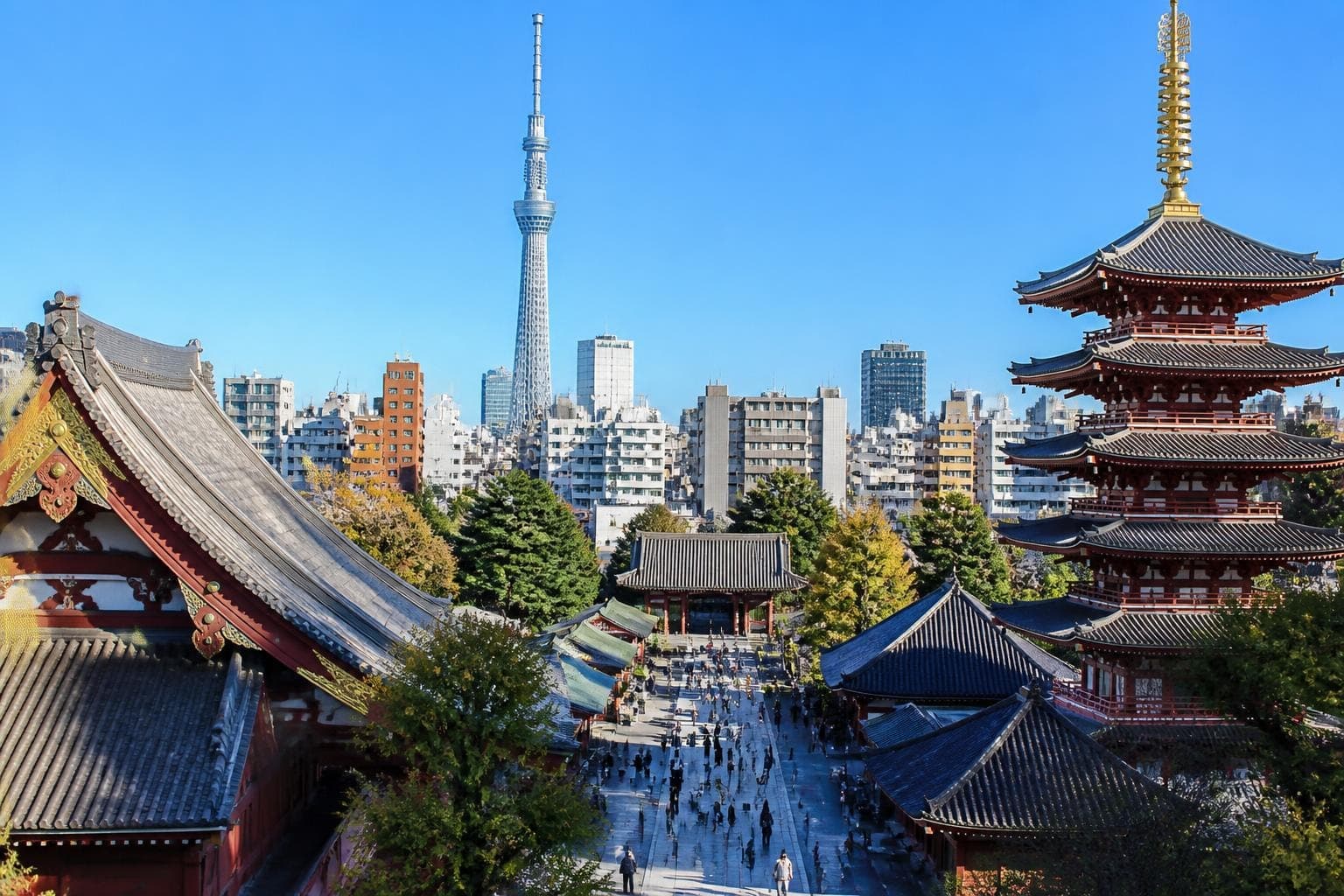
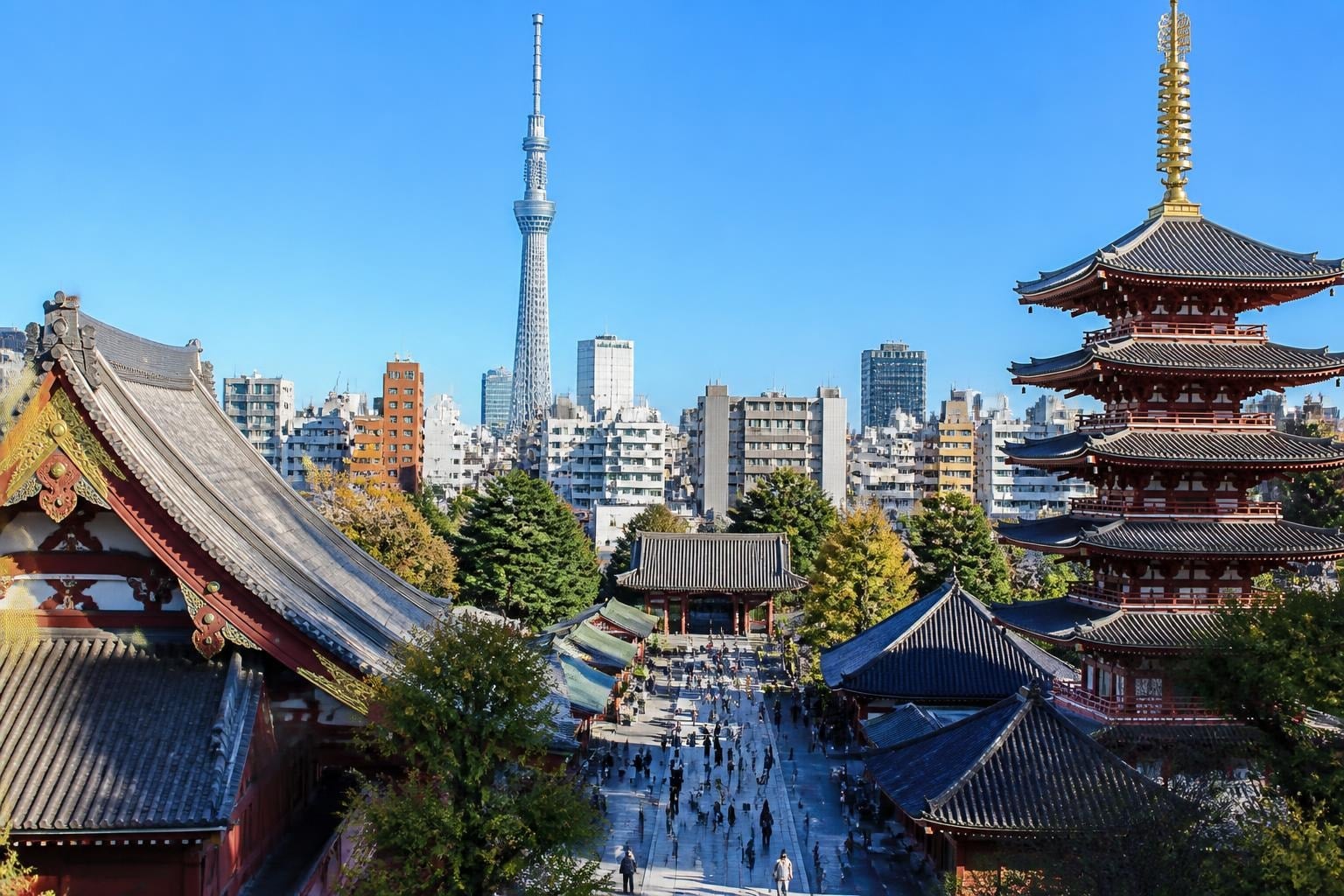
Tokyo’s sacred places don’t advertise loudly. They just keep working, day after day, even with traffic and tour groups pressing close. Senso-ji Temple in Asakusa is the city’s oldest Buddhist temple, and the first moment most people remember is the Kaminarimon Gate—that huge red lantern, slightly swaying, like it has its own weather. Walk in through Nakamise Shopping Street and you’ll get the full mix: sweet smoke, snack stalls, souvenir clatter, and then the grounds opening up ahead.
Meiji Shrine: Nature’s Sanctuary
Meiji Shrine sits inside a wide forested area, about 170 acres of trees that make the city sound drop off fast. Quiet. Then quieter. This Shinto shrine, dedicated to Emperor Meiji and Empress Shoken, shows how sacred design can sit beside nature without trying to dominate it, which is very much the point.
- Early morning visits provide the most serene atmosphere
- Traditional wedding ceremonies occur regularly on weekends
- The surrounding Yoyogi Park complements spiritual exploration
- Seasonal festivals showcase ancient rituals and customs
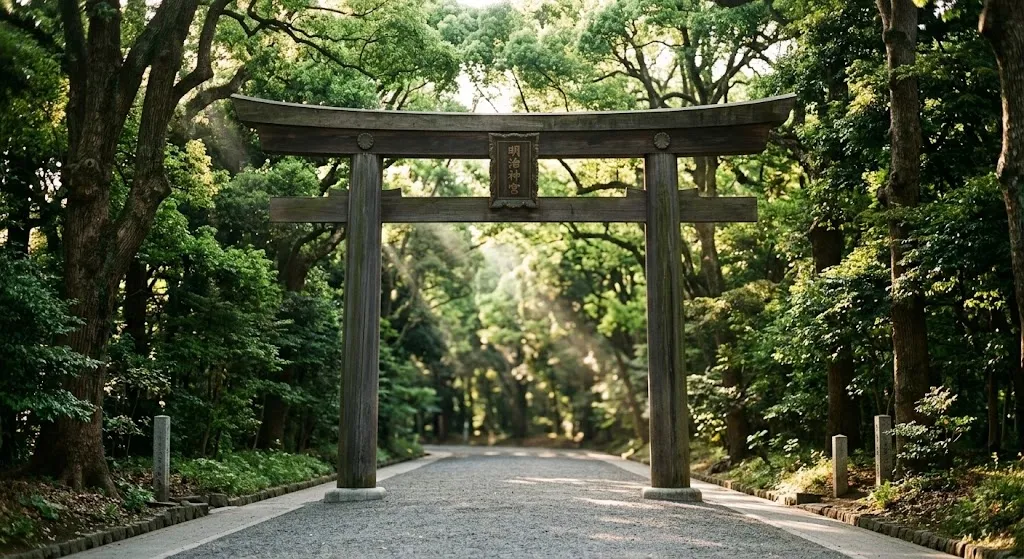
This isn’t just a photo stop. It’s a live place with rules, small gestures, and rhythms that still shape daily life, and you notice that once you pause long enough to watch hands rinse at the temizuya. Nico from JRS once told me he arrived at 7:10 a.m. with a party of two, heard someone whisper “ohayou” near the torii, and realized the gravel underfoot was the loudest sound for an entire minute. Worth it. Private guided visits can be arranged through luxury concierge services, especially for guests who want the etiquette explained plainly and the history put in order.
Imperial Palace and East Gardens
The Imperial Palace grounds sit at Tokyo’s geographic and historical center. Big moat. Long walls. The Emperor of Japan keeps his primary residence here, and while the inner palace is generally closed except for special occasions, the East Gardens are open year-round with landscapes that shift mood with the season.
| Season | Highlights | Best Features | |---|---|---| | Spring | Cherry blossoms | Sakura viewing spots | | Summer | Lush greenery | Hydrangea gardens | | Autumn | Fall foliage | Maple tree displays | | Winter | Plum blossoms | Serene landscapes. Reservations permit access to guided tours of the palace grounds on specific dates, providing exclusive perspectives on imperial architecture and ceremonial spaces. The surrounding moat and original defensive structures reveal Tokyo's evolution from Edo-period fortress city to modern metropolis. According to Japan Guide’s comprehensive Tokyo overview, these grounds are essential for understanding Japanese imperial history. |
Culinary Excellence and Market Experiences
Food is a serious subject here. It’s also a daily habit, which is why markets matter. Among the essential sights in Tokyo, Japan, the Tsukiji Outer Market and the newer Toyosu Market show that obsession with freshness, handling, and timing; Toyosu manages the wholesale side, while Tsukiji’s outer lanes still run on small specialists selling premium ingredients and ready-to-eat bites.
Michelin-Starred Neighborhoods
Tokyo has more Michelin stars than any other city in the world, and you feel that density when certain areas are basically built around reservations and regulars.
- Ginza: Traditional kaiseki and sushi establishments
- Roppongi: International fusion and contemporary Japanese
- Akasaka: Hidden gems and exclusive member clubs
- Azabu: Intimate venues with seasonal menus
Want the real advantage? It’s not flashy service; it’s simply getting in, at the right time, without guessing at the booking choreography. Private culinary tours arranged through bespoke services can include hard-to-book counters and brief chef conversations, plus the kind of context that makes shun ingredients and shokunin habits click rather than blur together.
Contemporary Art and Cultural Museums
Tokyo does museums in a wide range, from heavy history to bright new experiments. Some rooms feel hushed as a library, others feel like a stage set. The Tokyo National Museum in Ueno Park holds the largest collection of Japanese art in the world, with national treasures and important cultural properties spread across several buildings, which means you can’t “do it all” unless you like rushing. Big mistake.
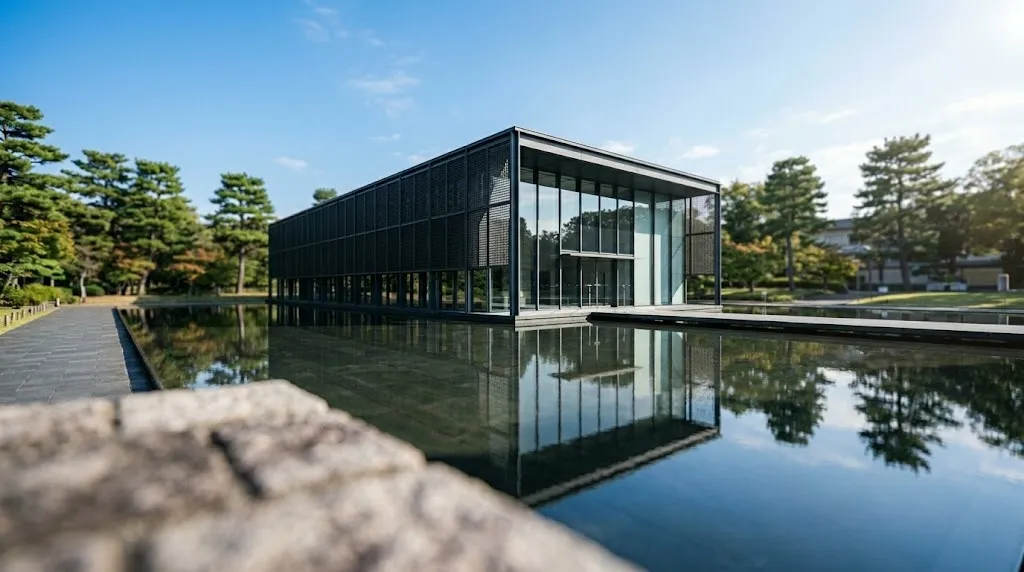
The Mori Art Museum sits on the 53rd floor of Roppongi Hills, so the elevator ride alone changes your sense of scale, and the city views come as part of the deal. TeamLab Borderless and TeamLab Planets deliver immersive digital art that has reset expectations for interactive installations worldwide—you’ll see plenty of phones up, but you also hear people go quiet, which is telling. If fashion and culture are on your list, Who What Wear’s insider guide points to Tokyo’s role as a trend driver.
Specialized Collections
- Nezu Museum: Classical Asian art with a stunning garden
- Suntory Museum of Art: Japanese traditional crafts
- National Art Center: Rotating contemporary exhibitions
- Ukiyo-e Ota Memorial Museum: Woodblock print masterpieces
Private viewings and curator-led tours can turn a quick browse into something slower, more precise, and honestly more memorable when the story behind an object lands.
Architectural Landmarks and Urban Observation
Tokyo looks different from above. It’s less chaos, more pattern. Tokyo Skytree rises to 634 meters and has observation decks at 350 and 450 meters, giving you a straight read across the Kanto Plain when the air is clear enough to behave.
Tokyo Tower, modeled after the Eiffel Tower but with its own Japanese character, still holds attention even though it’s no longer the tallest. It’s also placed in a way that makes the city feel legible; you can point, compare distances, and suddenly understand how neighborhoods stitch together.
Distinctive Architecture
Architecture fans can keep themselves busy for days. The Mode Gakuen Cocoon Tower leans into organic curves, the Tokyo International Forum plays with transparency in glass and steel, and Kenzo Tange’s Yoyogi National Gymnasium (built for the 1964 Olympics) still comes up in design conversations for good reason. Luxury accommodations in or near these areas can include access to observation facilities and other reserved amenities, and helicopter tours offer a very different angle for guests who want a sky-level view rather than a deck.
Traditional Gardens and Natural Retreats
Tokyo is dense, yes. It also breathes in pockets. Rikugien Garden, built in 1702, is one of the clearest examples of Edo-period taste, with composed scenes that shift as you walk—small turns, new framing, a pond catching light you didn’t see ten steps ago.
| Garden | Style | Key Features | Best Season | |---|---|---|---| | Rikugien | Strolling | Pond, teahouse | Autumn | | Koishikawa Korakuen | Scenic | Multiple landscapes | Spring | | Hamarikyu | Seaside | Tidal pond, teahouse | Year-round | | Shinjuku Gyoen | Mixed | French, English, Japanese | Cherry blossom |
Shinjuku Gyoen blends three styles across 144 acres—French formal, English landscape, and Japanese traditional—and it’s kept in famously neat shape. One practical perk: alcohol is not allowed, so even during peak cherry blossom season the mood stays calmer here than at spots where the parties get loud.
Private tea ceremonies in garden teahouses add a different tempo. Small groups, measured movements, and the logic of seasonal attention come through clearly, tied to omotenashi and a wabi-sabi sensibility that doesn’t need a speech to be felt.
Shopping Districts and Luxury Retail
Shopping is part of seeing Tokyo,o, Japan. That typo in your notes won’t matter once you’re standing in front of a building that’s basically one brand, floor after floor. Ginza remains the luxury retail anchor, with international flagships lining broad streets and storefronts that feel like galleries.
District Specializations
Harajuku and Omotesando pull in style-focused travelers, and Omotesando Hills brings a polished architectural feel (Tadao Ando’s work) that changes how the shopping day plays out. Harajuku is louder and younger, Omotesando is calmer and more controlled, and moving between them makes Tokyo’s taste range obvious.
- Nihonbashi: Traditional department stores and heritage brands
- Shibuya: Youth culture and technology retailers
- Nakameguro: Curated lifestyle and design shops
- Daikanyama: Sophisticated boutiques and specialty stores
Personal shopping support through luxury concierges can open doors to trunk shows, private viewings, and artisan workshops that aren’t set up for walk-ins. Sometimes it’s as simple as getting the right appointment time; sometimes it’s meeting a craftsperson and seeing how shokunin thinking shows up in the work. Time Out Tokyo’s comprehensive list adds other angles on shopping stops.
Neighborhood Exploration and Local Character
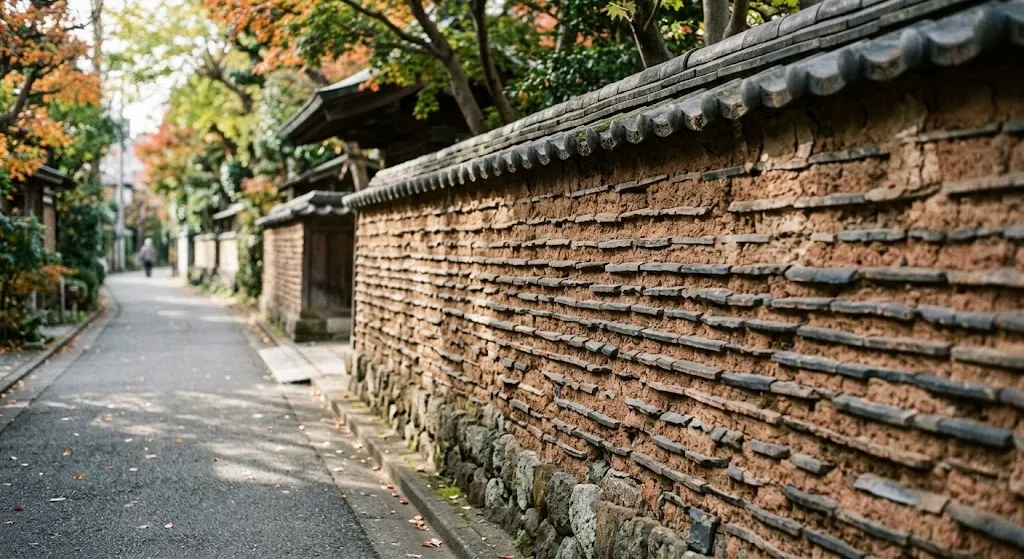
Neighborhoods are where Tokyo stops being an idea and becomes a place. You can feel the shift in pace from one station to the next. Yanaka keeps an older atmosphere with narrow streets, small shops, and temple-lined paths that survived wartime bombing, and that survival is part of what makes the walk feel grounded rather than staged.
Shimokitazawa draws creative crowds with vintage racks, live music, and small theaters tucked into winding lanes. It’s not polished. That’s the appeal.
Hidden Gems and Local Favorites
Go a step past the headline sights and Tokyo gets more personal. Kagurazaka mixes French touches with older geisha-district streets, and the contrast can feel odd in a good way, like two playlists overlapping for a moment. Kichijoji often shows up as a favorite among residents, with shopping and dining close to Inokashira Park, which is the kind of green space you accidentally spend a whole afternoon in.
As the Official Tokyo Travel Guide’s attraction categories points out, these less-hyped areas help explain current Tokyo life beyond the standard routes.
Entertainment Districts and Nightlife
Tokyo at night is a different city. Lights get louder. People get quicker. Shibuya hums around the scramble crossing, where hundreds cross at once under giant screens and you can actually hear the shift in footsteps when the signal changes.
Roppongi leans international with varied dining and nightlife, while Shinjuku’s Kabukicho is Tokyo’s biggest entertainment district and can feel like sensory overload if you hit it at the wrong hour. For classic performing arts, the Kabukiza Theatre in Ginza offers kabuki with English audio guides, which makes the form far less intimidating for first-timers.
Cultural Performances
- National Theatre: Traditional performing arts, including bunraku and noh
- Bunkamura: Opera, ballet, and contemporary performances
- Tokyo Dome: Major concerts and sporting events
- Sumo Tournaments: Seasonal tournaments at Ryogoku Kokugikan
Premium seating and backstage access arranged through specialized services can sharpen what you notice: timing, costume detail, physical technique, the small things. Sometimes a brief post-show chat with artists is the moment that sticks, because it turns “impressive” into understandable.
Seasonal Events and Festivals
Tokyo runs on seasons in a very public way. One week it’s plum blossoms, then it’s suddenly summer heat and hand fans. Cherry blossom season turns parks into hanami gathering spaces, and Sumida River Fireworks in July pulls close to one million spectators for a big, loud night over the water.
Sanja Matsuri at Asakusa Shrine is one of Tokyo’s largest festivals, with mikoshi processions and traditional music filling streets for three days in May. It can be crowded and a bit chaotic, but that density is also the point: it shows community ties and religious habits that haven’t been pushed aside by modern life.
| Festival | Timing | Location | Significance | |---|---|---|---| | Sanja Matsuri | May | Asakusa | Shinto tradition | | Sumida Fireworks | July | Sumida River | Summer celebration | | Kanda Matsuri | Mid-May | Kanda Shrine | Edo-period heritage | | Design Week | October | Citywide | Contemporary creativity |
VIP arrangements can help with sightlines and pacing, especially when crowds surge and trains get packed. You also get cultural framing from expert guides, so what looks like pure spectacle has meaning and structure.
Day Trips and Nearby Attractions
Tokyo can fill any itinerary. Still, nearby trips change the texture of a week. Mount Fuji is best viewed from the city on exceptionally clear days, but seeing it up close adds hiking routes, lake areas, and hot spring resorts, and it feels more physical than symbolic. Hakone is under two hours from central Tokyo and mixes volcanic landscapes, art museums, and traditional ryokan stays.
Nikko (a UNESCO World Heritage site) brings ornate shrines and mountain scenery, while Kamakura offers the Great Buddha and coastal temples that hint at Japan’s medieval capital era. For travelers mapping the best things to see in Tokyo, Japan, and beyond, LIVE JAPAN’s comprehensive destination guide lays out excursion options in detail.
Transportation Excellence
Private cars with professional drivers remove the guesswork. No platform sprints. No missed connections. Luxury transportation services offer comfort, flexibility, and local knowledge, which matters when weather flips or a rest stop is suddenly the best part of the day; good timing changes everything, and adjusting on the fly keeps day trips from turning into endurance tests.
Culinary Neighborhoods and Food Culture
Tokyo dining isn’t only about single restaurants. It’s about clusters of obsession. Tsukishima is famous for monjayaki (Tokyo’s counterpart to Osaka’s okonomiyaki), with Monja Street lined with choices that smell like sauce and hot iron. Kappabashi, the kitchen town, supplies pros and home cooks with tools, replica food samples, and gear you didn’t know existed until you see it.
Yakitori Alley, beneath the train tracks near Yurakuch, is tight-counter dining where charcoal heat hits your face for a second and you watch skewers turn from pale to lacquered. It’s lively, a little smoky, and the train rumble overhead becomes background music.
Premium food tours curated for discerning palates move through these areas with commentary, reservation support, and cultural context that makes the dishes make sense, not just taste good. A multi-course route sampling different specialties is a practical way to cover range without spending half the night deciding. Tokyo Tourism’s updated guide lists many culinary stops for 2026 visitors.
Wellness and Relaxation Experiences
Tokyo can run you down. It’s easy to underestimate that. Among wellness-focused sights in Tokyo, Japan, bathhouses and modern spas offer a reset, especially if you schedule them before you feel tired rather than after. Oedo Onsen Monogatari recreates an Edo-style bathhouse scene with different baths, foot baths, and lounging areas where guests wear yukata.
Luxury hotel spas often blend Japanese methods with international wellness approaches, using high-end local ingredients in treatments. Private onsen sessions in exclusive settings offer that deep quiet without the crowd energy, which some travelers prefer when they want actual rest.
Mindfulness and Cultural Practices
- Zen meditation sessions at temples
- Tea ceremony instruction with masters
- Calligraphy workshops in traditional settings
- Ikebana flower arrangement classes
These experiences connect visitors to practices built around attention, seasonal awareness, and small refinements. Private instruction keeps the pace humane, and it leaves room for questions that don’t fit a group schedule.
Technology and Innovation Showcases
Tokyo’s tech side is everywhere, but some places put it front and center. Miraikan (the National Museum of Emerging Science and Innovation) runs interactive exhibits on robotics, space exploration, and environmental tech, and it’s the sort of stop that works even if you’re traveling with mixed interests. The Sony Building and Panasonic Center also present consumer electronics and future-facing ideas in a way that’s easy to sample quickly.
Akihabara is the loudest proof of Tokyo’s pop-culture reach, combining electronics with anime culture in multi-floor shops that can swallow an afternoon. You’ll see everything from older game hardware to current gadgets, and the density tells you a lot about Japanese consumer habits and where innovation tends to get tested first.
Private technology tours arranged through specialized guides can include access to research facilities, startup incubators, and prototype demos that aren’t open to the general public. It’s a behind-the-scenes view of how ideas move from lab talk to objects you can actually buy.
Tokyo has range, and it shows up fast. One hour you’re in a shrine forest, the next you’re 53 floors up looking at a grid of lights, and somehow both feel normal here. The sights seen in Tokyo, Japan, go well beyond the standard circuit, and the best moments usually come from small choices: going early, slowing down, or taking the station exit that looks less convenient. For travelers who want a tailored plan with luxury transportation, access support, and local know-how, Japan Royal Service creates bespoke itineraries that keep the days smooth while still leaving space for surprise.