Cities
2026 Luxury Guide: Exquisite Things to See in Osaka
Discover the finest things to see in Osaka Japan, from ancient castles to modern cuisine. Your essential guide to Osaka's luxury experiences.
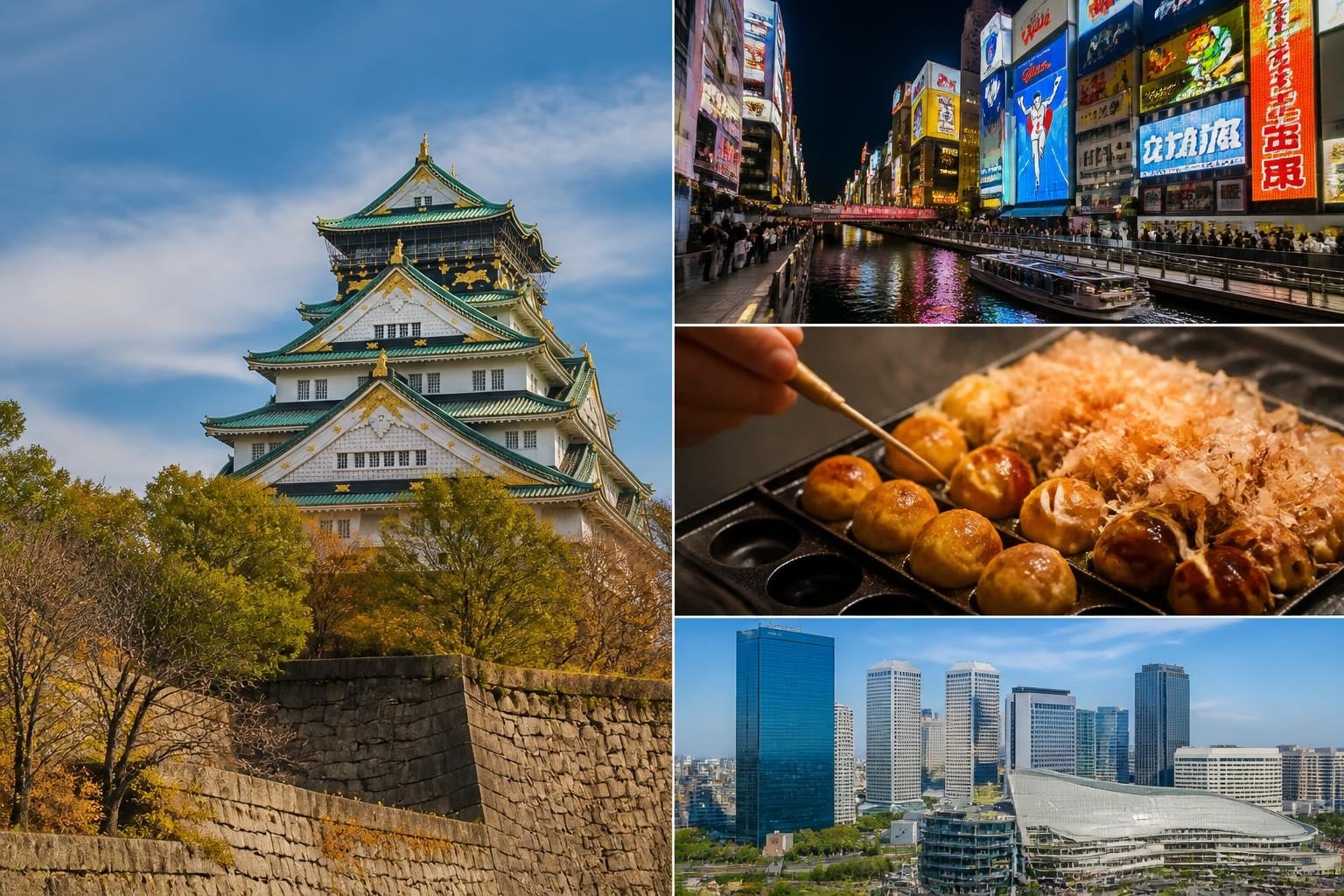
Osaka stands as Japan’s third-largest city and serves as the vibrant heart of the Kansai region, offering discerning travelers an exceptional blend of historical significance, culinary excellence, and contemporary culture. For those seeking authentic Japanese experiences beyond the typical tourist trail, understanding the things to see in Osaka, Japan, requires appreciating both its celebrated landmarks and hidden treasures. This dynamic metropolis balances centuries-old traditions with cutting-edge innovation, creating a destination that captivates luxury travelers who value genuine cultural immersion alongside world-class amenities.
Osaka Castle: The Iconic Historical Centerpiece
Osaka Castle dominates the city skyline as one of Japan’s most magnificent feudal structures, originally constructed in 1583 by Toyotomi Hideyoshi. The castle’s striking architecture features distinctive green roof tiles and golden embellishments that gleam against the modern urban backdrop.
The castle grounds encompass 15 acres of meticulously maintained gardens, stone walls, and moats that transport visitors back to Japan’s feudal era. The main tower houses an eight-story museum showcasing samurai armor, historical artifacts, and interactive exhibits that chronicle Osaka’s military and political significance. From the observation deck on the top floor, panoramic views extend across the entire city, offering exceptional photography opportunities during cherry blossom season in early April.
Navigating the Castle Complex
- Nishinomaru Garden: Premium access area featuring 600 cherry trees
- Osaka Castle Park: Free public grounds ideal for morning walks
- Hokoku Shrine: Historic site honoring Toyotomi Hideyoshi
- Timespan: Allocate 2-3 hours for comprehensive exploration
The surrounding park transforms with the seasons, from pink cherry blossoms in spring to golden ginkgo trees in autumn, making it one of the most rewarding things to see in Osaka, Japan,n regardless of when you visit.
Dotonbori: Osaka’s Gastronomic Entertainment District
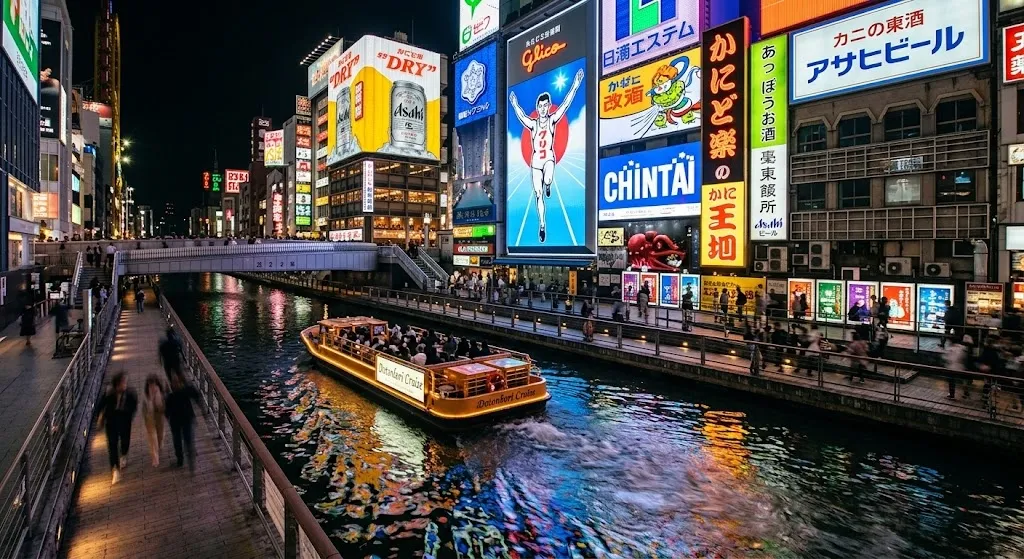
The neon-lit waterfront of Dotonbori represents Osaka’s culinary soul, where the city’s “kuidaore” (eat until you drop) philosophy comes alive through countless restaurants, street food vendors, and entertainment venues. This vibrant district stretches along the Dotonbori Canal, illuminated by massive animated billboards including the famous Glico Running Man sign.
Culinary Highlights Worth Experiencing
Dotonbori offers unparalleled access to Osaka’s signature dishes, each representing decades or centuries of culinary refinement. Takoyaki (octopus balls) originated here, with vendors expertly flipping the golden spheres using specialized metal picks. Premium establishments serve okonomiyaki (savory pancakes) at your table, allowing you to participate in the cooking process on built-in griddles.
For luxury travelers, exclusive kaiseki restaurants tucked into side streets offer refined interpretations of traditional Osaka cuisine in intimate settings. The neighborhood’s kushikatsu specialty involves perfectly breaded and deep-fried skewers, governed by the strict rule: never double-dip in the shared sauce.
| Dish | Specialty Venue | Price Range | Experience Level | |---|---|---|---| | Takoyaki | Kukuru | ¥500-800 | Casual street food | | Okonomiyaki | Kiji | ¥1,200-2,000 | Traditional cooking | | Kushikatsu | Daruma | ¥300-500 per skewer | Interactive dining | | Kaiseki | Koryu | ¥15,000-30,000 | Fine dining luxury |
Evening boat cruises along the canal provide a unique perspective on the district’s architectural lighting, creating memorable experiences that showcase why Dotonbori ranks among the essential things to see in Osaka, Japan.
Shitennoji Temple: Japan’s Oldest Official Buddhist Temple
Founded in 593 CE by Prince Shotoku, Shitennoji Temple predates most of Japan’s celebrated religious sites and maintains the original architectural layout despite multiple reconstructions. The temple complex exemplifies early Buddhist design principles imported from Korea and China during Japan’s cultural awakening.
The five-story pagoda rises majestically at the complex’s center, surrounded by symmetrically arranged buildings that create a sense of spiritual balance. Unlike many temples that restrict access, Shitennoji welcomes visitors into most structures, allowing intimate encounters with active religious practice. The treasure house contains priceless artifacts spanning 1,400 years of Buddhist tradition.
Seasonal Events and Ceremonies
Monthly flea markets on the 21st attract antique collectors and curiosity seekers searching for vintage kimono, pottery, and traditional crafts. The temple grounds host major festivals throughout the year, including elaborate Shinto-Buddhist fusion ceremonies that demonstrate Japan’s syncretic religious traditions.
Premium guided experiences can be arranged through specialized services, offering private tours during off-hours when the temple’s spiritual atmosphere intensifies without crowd presence. These exclusive access opportunities represent the type of curated experiences that elevate things to see in Osaka, Japan, from standard tourism to genuine cultural immersion.
Kuromon Ichiba Market: The Nation’s Kitchen
Kuromon Ichiba has served as Osaka’s primary food market for over 190 years, earning its reputation as “Osaka’s Kitchen” through consistent quality and variety. The 600-meter covered arcade contains approximately 150 shops selling everything from premium Kobe beef to the freshest seasonal seafood, exotic fruits, and traditional Japanese ingredients.
Unlike sanitized modern supermarkets, Kuromon maintains authentic market energy where vendors passionately explain their products, offer samples, and engage in friendly negotiation. Professional chefs source ingredients here alongside local grandmothers, creating a democratic atmosphere where culinary excellence takes precedence over formality.
For luxury travelers interested in Japanese cooking culture, several vendors offer premium experiences, including sushi preparation demonstrations, wagyu beef tasting sessions, and seasonal delicacy sampling. The market opens at 9:00 AM, but arriving by 8:30 AM ensures access to the finest selections before they sell out.
Osaka Aquarium Kaiyukan: World-Class Marine Experience
Kaiyukan ranks among the world’s largest aquariums, housing marine life representing the Pacific Rim ecosystem in massive tanks that recreate natural habitats with remarkable accuracy. The central tank contains 5,400 tons of water and houses whale sharks, the largest fish species in captivity.
The aquarium’s spiral design descends eight floors, guiding visitors through 15 distinct geographic zones from the Arctic to the Antarctic. This architectural approach creates natural viewing progression, allowing encounters with species ranging from playful sea otters to graceful manta rays. Interactive touch pools provide tactile experiences with rays and small sharks under supervised conditions.
Premium Experiences Available
- Nighttime aquarium visits: Extended hours with reduced lighting create atmospheric viewing
- Behind-the-scenes tours: Access to feeding preparation areas and veterinary facilities
- Private tank viewings: Exclusive time with specific exhibits outside regular hours
- Educational programs: Marine biology sessions with resident experts
The aquarium integrates seamlessly with the surrounding Tempozan Harbor Village, which includes shopping, dining, and the Tempozan Giant Ferris Wheel, making this area one of the most comprehensive things to see in Osaka, Japan,n for families and culture enthusiasts alike.
Shinsekai and Tsutenkaku Tower: Retro Osaka Charm
Shinsekai (“New World”) presents a fascinating contrast to Osaka’s modern developments, preserving an early 20th-century atmosphere through deliberately nostalgic architecture and traditional working-class culture. The district centers around Tsutenkaku Tower, originally built in 1912 and reconstructed in 1956, which became an enduring symbol of Osaka’s resilience and optimism.
The neighborhood’s deliberately retro aesthetic includes vintage signage, traditional game parlors, and countless kushikatsu restaurants where local customs prohibit sauce double-dipping. Streets lined with paper lanterns create atmospheric evening walks, while daytime exploration reveals architectural details from Japan’s modernization era.
Tsutenkaku Tower houses observation decks offering 360-degree city views and a shrine to Billiken, the god of “things as they ought to be,” whose statue visitors rub for good luck. The tower’s illuminated crown changes colors based on weather forecasts, serving both decorative and practical purposes.
Sumiyoshi Taisha: Architectural Purity
Sumiyoshi Taisha stands as one of Japan’s oldest Shinto shrines, established in the third century,y before Buddhism’s arrival influenced Japanese architecture. The shrine’s distinctive sumiyoshi-zukuri style predates Buddhist architectural elements, featuring straight roofs, natural wood construction, and simple elegance that exemplifies pure Shinto design principles.
Four main halls aligned in an unusual configuration represent different deities associated with safe sea travel, reflecting Osaka’s historical importance as a maritime trading center. The iconic arched Sorihashi Bridge leads to the main shrine grounds, its steep incline symbolizing the challenging path from earthly to divine realms. According to comprehensive guides to Osaka’s top attractions, this bridge provides one of the most photographed scenes in the city.
Monthly festivals and seasonal ceremonies maintain traditions spanning nearly two millennia, offering visitors glimpses into Shinto practices largely unchanged since ancient times. The shrine’s 200,000 square meter grounds include sacred forests, smaller subsidiary shrines, and traditional gardens that provide tranquil respite from urban intensity.
Umeda Sky Building: Architectural Innovation
The Umeda Sky Building revolutionized Osaka’s skyline when completed in 1993, featuring two 40-story towers connected by a “Floating Garden Observatory” 173 meters above ground. This architectural marvel creates the illusion of a gateway to the sky, with escalators enclosed in glass tubes providing a thrilling ascent to the observation level.
The 360-degree open-air rooftop observatory allows unobstructed views across Osaka and toward the surrounding mountains on clear days. Evening visits coincide with spectacular sunset views as the city transitions from daylight to illuminated nighttime splendor. The building’s underground level recreates a 1920s Osaka streetscape with themed restaurants and a traditional atmosphere.
Photography and Viewing Tips
- Best timing: 90 minutes before sunset captures the day-to-night transition
- Weather consideration: Clear days extend visibility to Kobe and Kyoto
- Crowd management: Weekday mornings offer uncrowded observation opportunities
- Equipment: Wide-angle lenses capture the full panoramic scope
This architectural achievement represents Osaka’s forward-thinking urban development philosophy, making it essential among things to see in Osaka, Japan,n for those appreciating modern design alongside historical landmarks.
Osaka Museum of Housing and Living: Time Travel Experience
This innovative museum recreates an entire Osaka neighborhood from the Edo period, allowing visitors to walk through full-scale reproductions of merchant houses, shops, and public spaces. Unlike traditional museums displaying artifacts behind glass, this immersive environment encourages interaction with historical spaces, offering a tactile understanding of daily life during Japan’s feudal era.
Kimono rental services within the museum allow visitors to explore the recreated streets in period-appropriate clothing, enhancing the time-travel atmosphere through participatory experience. The museum’s lighting system simulates different times of day, creating dawn, afternoon, and evening ambiance that demonstrates how natural light shaped pre-electric societies.
Interactive exhibits explain traditional crafts, commercial practices, and social customs that defined Osaka’s merchant culture. Seasonal decorations change throughout the year, reflecting how historical residents celebrated festivals and marked important dates. For luxury travelers seeking educational depth, private tours with cultural historians provide a comprehensive context unavailable through standard visits.
Nakanoshima: Cultural and Architectural Refinement
Nakanoshima Island sits between the Dojima and Tosabori rivers, forming Osaka’s cultural heart through concentrated museums, concert halls, and historical buildings. The district exemplifies Osaka’s commitment to preserving architectural heritage while developing world-class cultural facilities.
The Osaka Central Public Hall, completed in 1918, showcases neo-Renaissance architecture with a distinctive red brick facade and a copper dome. The building hosts concerts and events in historically preserved interiors featuring original lighting fixtures and decorative details. Nearby, the Museum of Oriental Ceramics houses one of the world’s finest collections of Chinese and Korean pottery, with lighting systems specifically designed to illuminate each piece optimally.
| Venue | Specialty | Architecture Style | Visitor Experience | |---|---|---|---| | Central Public Hall | Concerts, Events | Neo-Renaissance | Historic ambiance | | Oriental Ceramics Museum | Asian Pottery | Modern Minimalist | Focused curation | | Nakanoshima Library | Historical Documents | Neo-Baroque | Reading rooms | | Festival Tower West | Contemporary Art | Modern Glass | Rotating exhibitions |
The riverside location provides scenic walking paths, making Nakanoshima ideal for leisurely afternoon exploration that combines cultural enrichment with urban beauty, representing sophisticated things to see in Osaka, Japan,n for culturally-focused travelers.
Universal Studios Japan: Entertainment Excellence
Universal Studios Japan delivers world-class theme park experiences featuring attractions based on globally recognized entertainment properties. The park’s commitment to immersive environments creates detailed recreations that transport visitors into favorite films and stories through cutting-edge technology and theatrical presentation.
The Wizarding World of Harry Potter replicates Hogsmeade Village and Hogwarts Castle with extraordinary attention to detail, offering multiple attractions, ns including the acclaimed Harry Potter and the Forbidden Journey ride. Super Nintendo World, which opened in 2021, revolutionizes theme park interactivity through wearable technology that transforms the entire land into a real-life video game experience.
Strategic Planning for Optimal Experience
Premium visitors benefit from Express Passes that minimize wait times, allowing comprehensive park exploration without excessive queueing. Early entry privileges available through official hotel partnerships provide access before general admission, crucial for experiencing popular attractions with minimal crowds. Seasonal events, including Halloween Horror Nights and Christmas celebrations, add limited-time experiences that justify return visits.
Understanding crowd patterns and utilizing efficient touring strategies transforms the Universal Studios experience from exhausting to exhilarating, which is why many luxury travelers prefer arranging their visit through specialists familiar with optimization techniques.
America-Mura: Youth Culture and Fashion
America-Mura (American Village) emerged during the 1970s as Osaka’s counterculture district and evolved into the city’s primary destination for youth fashion, contemporary art, and alternative lifestyle culture. The neighborhood’s narrow streets, packed with independent boutiques, vintage clothing stores, and trendy cafes, create a vibrant atmosphere distinct from Osaka’s more traditional districts.
The central Triangle Park serves as a gathering space where street fashion enthusiasts, musicians, and artists converge, creating spontaneous cultural exchanges. Weekend visits reveal the full spectrum of Osaka’s creative youth culture through impromptu performances, skateboarding demonstrations, and fashion statements that push conventional boundaries.
For luxury travelers interested in contemporary Japanese design, America-Mura offers access to emerging designers before they gain international recognition. Several boutiques specialize in limited-edition collaborations and exclusive releases unavailable elsewhere. The district’s cafe culture provides excellent people-watching opportunities while sampling craft coffee and innovative desserts that reflect current culinary trends. According to detailed guides on Osaka’s best activities, this neighborhood captures the city’s creative energy.
Spa World: Ultimate Relaxation Complex
Spa World presents a massive bathing complex featuring themed hot spring baths representing different countries and cultures across multiple floors. The facility is divided into European and Asian zones, with monthly gender rotation ensuring all visitors eventually access every area. Each zone contains multiple bath types, including outdoor pools, saunas, and specialty treatments.
The Asian floor features Japanese-style onsen utilizing mineral-rich waters imported from renowned hot spring regions, alongside Chinese herbal baths and Korean-style jimjilbang facilities. The European floor recreates Roman bathhouses, Finnish saunas, and Mediterranean-inspired pools with architectural details evoking each culture.
Beyond bathing facilities, Spa World offers massage services, relaxation lounges, dining options, and overnight accommodations for those seeking extended wellness experiences. The facility operates 24 hours, allowing flexibility unusual among Japanese bathing establishments. Private rooms and VIP services cater to luxury travelers preferring enhanced privacy and premium amenities.
Hozenji Yokocho: Hidden Atmospheric Alley
This narrow stone-paved alley tucked behind Dotonbori’s main thoroughfare transports visitors to old Osaka through traditional wooden buildings housing intimate restaurants and bars. Hozenji Temple at the alley’s center features a moss-covered Fudo Myo-o statue, darkened by decades of water offerings from worshippers seeking business success and relationship blessings.
The alley maintains strict aesthetic codes that preserve historical atmosphere, with traditional lanterns providing atmospheric lighting after dark. Restaurants here specialize in refined versions of Osaka cuisine served in intimate settings with often just counter seating, creating opportunities for personal interaction with skilled chefs. Reservations through concierge services ensure access to establishments that might otherwise turn away unfamiliar visitors.
The contrast between Hozenji Yokocho’s tranquil traditional atmosphere and Dotonbori’s energetic modernity, separated by mere meters, demonstrates Osaka’s ability to maintain cultural continuity alongside contemporary development. This atmospheric alley represents the type of hidden gems that distinguish comprehensive things to see in Osaka, Japan, from surface-level tourism.
Tennoji and Abeno Harukas: Southern Osaka Heights
Tennoji district combines historical temples, expansive parks, and modern development, including Abeno Harukas, Japan’s tallest building at 300 meters. This southern Osaka area offers a distinct character from the northern Umeda district, with deeper working-class roots and more accessible luxury experiences.
Abeno Harukas houses a department store, art museum, hotel, and observation deck called Harukas 300. The glass-floored sections on the 58th-floor observation deck create thrilling perspectives looking directly down to street level. The museum on the 16th floor rotates exhibitions featuring Japanese and international artists, maintaining curatorial standards that rival dedicated art institutions.
Tennoji Park provides extensive green space, including traditional Japanese gardens, the Osaka Municipal Museum of Art, and Keitakuen Garden with a tea house. The adjacent Shitennoji Temple mentioned earlier completes a cultural circuit that can occupy an entire day for those interested in combining nature, art, and spirituality.
Comparative Analysis: Observation Deck Experiences
| Feature | Umeda Sky Building | Abeno Harukas | Tsutenkaku Tower | |---|---:|---:|---:| | Height | 173m | 300m | 103m | | View Style | Open-air rooftop | Enclosed glass | Traditional tower | | Atmosphere | Architectural focus | Luxury modern | Retro nostalgic | | Best For | Sunset photography | Comprehensive views | Cultural context |
Understanding these distinctions helps visitors select observation experiences matching their preferences, illustrating why exploring multiple viewpoints enhances understanding of things to see in Osaka, Japan.
Osaka’s Hidden Temples and Shrines
Beyond major religious sites, Osaka conceals dozens of neighborhood temples and shrines that receive minimal tourist attention yet offer profound cultural encounters. Isshinji Temple in Tennoji features distinctive architecture incorporating ashes of deceased worshippers into Buddhist statues, creating a powerful meditation on impermanence. Tenjinbashisuji Shopping Street, Japan’s longest covered shopping arcade, contains several small shrines integrated into the commercial environment.
Katsuoji Temple in northern Osaka attracts those seeking victory and good fortune, its grounds decorated with thousands of daruma dolls left by successful petitioners. The temple’s mountain setting provides seasonal beauty from cherry blossoms to autumn foliage, while relative obscurity ensures peaceful contemplation is impossible at more famous sites.
These lesser-known spiritual spaces demonstrate local religious practice unaffected by tourism, offering authentic glimpses into how contemporary Japanese integrate traditional beliefs into modern life. Arranging guided visits through cultural specialists provides context and access that independent travelers rarely achieve.
Luxury Shopping Districts
Osaka’s premier shopping districts cater to discerning tastes through flagship stores, exclusive boutiques, and department stores legendary for service quality. Shinsaibashi is Osaka’s primary luxury shopping street, with covered arcades protecting shoppers while browsing international fashion houses, Japanese designer boutiques, and specialized crafts stores.
Midosuji Boulevard rivals Tokyo’s Ginza for concentration of luxury brands, with flagship stores for Hermes, Chanel, Louis Vuitton, and prestigious Japanese retailers. The boulevard’s wider sidewalks and tree-lined design create pleasant walking environments between high-end purchases. Department stores, including Daimaru and Takashimaya, offer tax-free shopping, personal shopping services, and exclusive products unavailable elsewhere.
For those seeking authentic Japanese crafts, the Doguya-suji Shotengai specializes in professional kitchen equipment, traditional tableware, and cooking utensils used by Osaka’s restaurant industry. These practical items represent Japanese design philosophy applied to functional objects, creating memorable souvenirs with ongoing utility.
Osaka Bay Area Development
The bay area transformation showcases Osaka’s urban planning ambitions through contemporary architecture, entertainment venues, and waterfront parks. Besides the aquarium mentioned earlier, the area includes the Tempozan Marketplace with international dining and shopping, the Osaka Maritime Museum’s innovative underground location, and extensive waterfront promenades.
Sakishima Cosmo Tower provides another spectacular observation opportunity from its 55th-floor deck, with perspectives emphasizing the bay’s industrial heritage and modern development. The area’s relatively recent development means crowds remain lighter than central Osaka attractions, allowing relaxed exploration. For details on planning visits to these and other attractions, comprehensive resources about Osaka’s best sights provide valuable planning information.
Water taxis and bay cruises offer alternative transportation while sightseeing, combining practical movement with scenic enjoyment. Evening cruises particularly showcase the bay area’s illuminated architecture and industrial lighting,g creating unexpected beauty from functional infrastructure.
Osaka’s remarkable diversity encompasses ancient temples, cutting-edge architecture, world-renowned cuisine, and vibrant contemporary culture, creating a destination that rewards both brief visits and extended exploration. For discerning travelers seeking experiences beyond conventional tourism, Japan Royal Service crafts bespoke Osaka itineraries that combine iconic landmarks with exclusive access to hidden cultural treasures, ensuring your journey through this dynamic city reflects your personal interests while maintaining the luxury, authenticity, and seamless service that define exceptional travel experiences.