Experiences
Secret Shinjuku Luxury: Hidden 2026 Experiences
Discover the finest things to do in Shinjuku, from exclusive dining to cultural treasures. Your guide to Japan's most dynamic district.
Shinjuku stands as Tokyo’s most electrifying district, where neon-lit streets pulse alongside serene gardens, and Michelin-starred establishments neighbor bustling izakayas. For discerning travelers seeking authentic Japanese experiences wrapped in modern luxury, this dynamic neighborhood offers an unparalleled canvas of cultural richness, architectural marvels, and culinary excellence. Understanding the sophisticated layers of things to do in Shinjuku requires insight into both its celebrated landmarks and its carefully guarded secrets, making it an essential destination for those who appreciate Japan’s extraordinary ability to harmonize tradition with innovation.
The Cultural Heart of Shinjuku
Shinjuku Gyoen National Garden: A Sanctuary of Seasons
Shinjuku Gyoen represents one of Tokyo’s most refined green spaces, spanning 144 acres of meticulously maintained landscapes that showcase three distinct garden styles. The Japanese traditional garden features winding paths around serene ponds, the French formal garden displays geometric precision, and the English landscape garden offers expansive lawns beneath towering trees.
Spring transforms this sanctuary into Japan’s premier cherry blossom viewing destination, where over 1,000 sakura trees create ethereal pink canopies. The garden’s late-blooming varieties extend the season well into April, allowing visitors to experience hanami away from crowded public parks.
Optimal visiting strategies include:
- Arriving at opening time (9:00 AM) for peaceful morning strolls
- Booking private tea ceremonies in the traditional tea house
- Exploring during autumn when 20,000 trees display crimson and gold foliage
- Commissioning professional photography sessions among seasonal blooms
The greenhouse conservatory houses rare tropical and subtropical species, providing year-round botanical interest.
Samurai Museum: Interactive Historical Immersion
Beyond conventional museum experiences, the Samurai Museum offers hands-on engagement with Japan’s warrior heritage through authentic armor, weaponry, and theatrical demonstrations. Professional guides, fluent in multiple languages, provide context that transforms artifacts into narratives of honor, strategy, and craftsmanship.
Private viewing sessions allow collectors and history enthusiasts to examine rare pieces up close, including Edo-period swords and intricately decorated yoroi armor. The museum’s sword-demonstration performances reveal the precision and philosophy embedded in the traditions. of kendo
| Experience Type | Duration | Highlights | Best For | |---|---:|---|---| | Standard Tour | 60 minutes | Armor viewing, basic demonstrations | First-time visitors | | Premium Tour | 90 minutes | Sword handling, detailed history | History enthusiasts | | Private Session | 2+ hours | Curator access, photography rights | Collectors, researchers |
The gift shop curates authentic replicas and artisan-crafted items unavailable elsewhere, making it a destination for meaningful souvenirs.
Culinary Excellence and Nightlife
Omoide Yokocho: Atmospheric Dining Alley
Omoide Yokocho, affectionately known as “Memory Lane,” preserves post-war Tokyo’s yakitori culture in a narrow alley of intimate establishments. Smoke rises from countless grills where chefs perfect chicken skewers over binchotan charcoal, creating an atmosphere that transports visitors decades into the past.
Each tiny restaurant seats fewer than ten patrons, fostering immediate camaraderie between strangers. Recommended specialties include tsukune (chicken meatballs), negima (chicken and leek), and kawa (crispy chicken skin), best enjoyed with cold draft beer or premium sake.
For those seeking elevated experiences, select establishments offer private tatami rooms and curated tasting menus featuring seasonal ingredients. These exclusive spaces require reservations and provide refuge from the bustling alley while maintaining their authentic character.
Golden Gai: Architectural Intimacy and Craft Cocktails
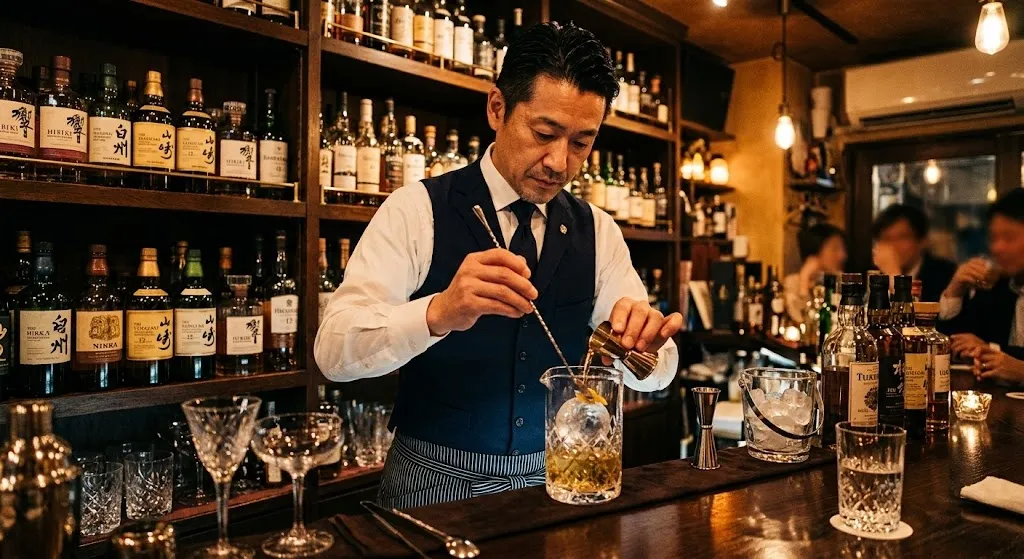
Golden Gai’s 200+ miniature bars occupy a six-alley labyrinth, each establishment averaging just 20 square feet. This architectural curiosity survived Tokyo’s development boom, becoming a protected cultural asset where bar owners cultivate fiercely individual atmospheres.
Navigation essentials:
- Research bars welcoming first-time visitors (some maintain “regulars only” policies)
- Expect cover charges (typically ¥500-¥1,000) as standard practice
- Prepare for intimate conversations in close quarters
- Budget ¥3,000-¥5,000 per person for drinks and snacks
Albatross, Cambiare, and La Jetée represent accessible starting points, each offering distinct themes from vintage rock to cinematic noir. More exclusive establishments require introductions from existing patrons, adding mystique to the exploration.
The district transforms after midnight, when creative professionals, artists, and international visitors mingle freely, sparking conversations that are impossible in conventional Tokyo venues. According to Japan Web Magazine’s comprehensive guide, these intimate spaces represent Shinjuku’s soul, where authentic connections form over perfectly crafted cocktails.
Architectural Marvels and Observation Points
Tokyo Metropolitan Government Building: Complimentary Panoramas
The twin towers of Tocho, designed by renowned architect Kenzo Tange, rise 243 meters above Shinjuku, offering free observatory access that rivals paid alternatives. Both North and South observation decks provide 360-degree views encompassing Mount Fuji, Tokyo Skytree, and the endless urban expanse.
Strategic visiting timing maximizes the experience. Sunset arrivals capture the city’s transition from daylight clarity to nighttime illumination, when millions of lights create a jeweled landscape. Clear winter days offer superior visibility of Mount Fuji, while summer twilight extends photography opportunities.
The building’s architectural significance extends beyond height. Its design references Gothic cathedrals through vertical emphasis and structural rhythm, creating a postmodern landmark that defines Tokyo’s skyline. Tokyo Tourism’s detailed guide highlights how the building anchors West Shinjuku’s business district while providing public access to premium views.
Practical considerations:
- North Observatory operates until 11:00 PM (closed second and fourth Mondays)
- South Observatory operates until 5:30 PM (closed on the first and third Tuesdays)
- Security screening required; arrive 30 minutes before the desired viewing time
- Restaurant on the 45th floor offers fine dining with reservations
Mode Gakuen Cocoon Tower: Architectural Photography
This avant-garde educational facility wraps its 204-meter frame in a distinctive diagonal lattice, earning recognition as one of Tokyo’s most photographed buildings. The elliptical structure challenges conventional skyscraper aesthetics, symbolizing the nurturing environment within through its cocoon-inspired form.
While interior access remains limited to students and faculty, the building’s exterior offers exceptional opportunities for architectural photography, particularly when illuminated at night. The surrounding Shinjuku Central Park offers optimal vantage points for composition.
Shopping and Entertainment Districts
Isetan Department Store: Curated Luxury
Isetan Shinjuku transcends typical department store experiences through buyer expertise that sources exceptional products unavailable elsewhere in Japan. The basement food halls, collectively known as depachika, showcase edible artistry from renowned patisseries, specialty grocers, and artisan food producers.
Department highlights by floor:
| Floor | Category | Distinctive Features | |---|---|---| | B1-B2 | Food halls | Exclusive confections, seasonal delicacies | | 1-3 | Women’s fashion | International designers, Japanese labels | | 4-5 | Lifestyle goods | Artisan homeware, premium stationery | | 6 | Fine jewelry | Vintage pieces, contemporary designers | | 7-8 | Men’s fashion | Tailoring services, limited editions |
The personal shopping service connects visitors with English-speaking consultants who navigate the store’s vast offerings based on individual preferences and budgets. Tax-free shopping and international shipping facilitate purchases for overseas customers.
Seasonal exhibitions on the top floor showcase Japanese craftsmanship through rotating displays of ceramics, textiles, and regional specialties, providing cultural context for the merchandise below.
Kabukicho: Entertainment District Navigation
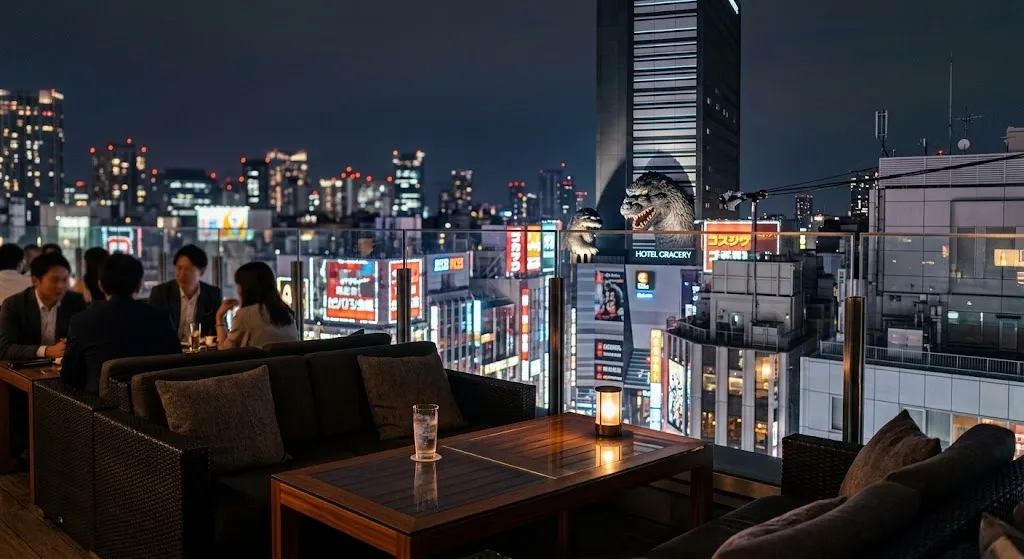
Tokyo’s largest entertainment quarter pulses with energy across its dense concentration of restaurants, theaters, gaming centers, and nightlife venues. While reputation precedes it, modern Kabukicho balances its edgy character with family-friendly attractions like Robot Restaurant and Godzilla Road.
The district’s transformation continues through urban renewal projects that enhance safety while preserving its distinctive atmosphere. Toho Cinema complex, topped by a full-scale Godzilla head, serves as the area’s contemporary landmark, visible from multiple vantage points.
For theater enthusiasts, MATCHA’s activity guide recommends Shinjuku Koma Theater and intimate performance spaces hosting everything from traditional rakugo storytelling to avant-garde productions. These venues offer cultural programming that reveals Japanese performing arts beyond tourist-oriented shows.
Evening exploration guidelines:
- Stick to the main thoroughfares when unfamiliar with the area
- Book reputable establishments through hotel concierge services
- Understand pricing structures before entering venues
- Utilize licensed taxis for late-night transportation
Things to do in Shinjuku extend well beyond Kabukicho, but understanding this district’s evolution provides insight into Tokyo’s ability to reinvent urban spaces while maintaining cultural continuity.
Hidden Temples and Spiritual Spaces
Hanazono Shrine: Urban Sanctuary
Founded in the mid-17th century, Hanazono Shrine maintains spiritual traditions amid Shinjuku’s commercial intensity. The vermillion torii gates mark a transition from secular chaos to sacred tranquility, where business professionals seek blessings and tourists discover unexpected peace.
The shrine’s weekend antique market attracts collectors seeking vintage kimono, retro toys, ceramics, and ephemera. Vendors spread their wares across the grounds, creating a treasure-hunting atmosphere where patient searching yields remarkable finds.
Annual festivals, particularly the Tori-no-Ichi in November, transform the grounds into vibrant celebrations featuring elaborate kumade (decorative rakes symbolizing good fortune) and traditional festival foods. These events provide authentic cultural immersion unavailable at tourist-oriented venues.
Shinjuku’s Modern Architecture Walk
Beyond individual buildings, Shinjuku’s architectural landscape rewards dedicated exploration. The district showcases Japan’s post-war development through buildings spanning seven decades, from Kenzo Tange’s modernist statements to contemporary sustainable designs.
Notable structures include:
- Shinjuku Park Tower: Three-tower complex with distinctive postmodern design
- Sompo Japan Building: Features the only original Van Gogh painting in Japan
- Takashimaya Times Square: Integrated retail and office complex
- Shinjuku Sumitomo Building: Free observation space on the 51st floor
- Keio Plaza Hotel: Tokyo’s first skyscraper hotel (1971)
Organized architecture tours led by knowledgeable guides provide historical context and access to buildings that would otherwise be overlooked. These specialized experiences appeal to design professionals and architecture enthusiasts seeking a deeper understanding.
Seasonal Experiences and Cultural Events
Cherry Blossom Season Strategies
Spring transforms ordinary things to do in Shinjuku into extraordinary experiences as sakura bloom across multiple venues. Beyond Shinjuku Gyoen’s celebrated displays, lesser-known spots offer intimate encounters with Japan’s beloved blossoms.
The promenade along Shinjuku Chuo Park features Somei Yoshino and weeping cherry varieties that create a tunnel effect along the walking paths. Evening illumination extends viewing opportunities, while nearby cafes offer terrace seating overlooking blossom.
Peak bloom timing for 2026:
- Late March: Early varieties begin flowering
- Early April: Peak bloom for standard Somei Yoshino
- Mid-April: Late-blooming varieties and double-petal species
Private hanami experiences include reserved spaces in premium gardens, catered picnics with seasonal delicacies, and photography sessions arranged during optimal lighting conditions. These curated experiences eliminate crowds while preserving tradition.
Winter Illuminations and Holiday Atmosphere
December through February showcases Shinjuku’s talent for creating enchanting light displays that attract millions of visitors. Southern Terrace’s LED installations coordinate millions of bulbs into synchronized displays, while department stores compete through elaborate window decorations.
The area around Shinjuku Station becomes a winter wonderland where champagne bars, seasonal markets, and warming stations create European-inspired festivity adapted to Japanese precision and aesthetics. Traveler’s Choice details these seasonal transformations, helping visitors time their trips to coincide with specific events.
Transportation Hub Exploration
Shinjuku Station: Navigating the World’s Busiest Terminal
Serving 3.6 million passengers daily, Shinjuku Station functions as a city within the city, connecting twelve railway lines through an underground labyrinth of passages, shops, and services. Mastering its complexity transforms it from a challenge into an advantage, revealing unmatched convenience and commercial density globally.
The station’s underground shopping network extends across multiple levels, featuring everything from convenience stores to specialized boutiques. Lumine and NEWoMan shopping complexes integrate directly with station infrastructure, allowing seamless transitions between transportation and retail therapy.
Navigation tips for first-time visitors:
- Download official station maps showing all exits and connections
- Use cardinal direction exits (East, West, South) as orientation anchors
- Allow extra time for connections between different railway companies
- Utilize station staff at information booths (English assistance available)
- Consider hotel locations near specific exits to simplify daily navigation
The station’s artistic installations, including Taro Okamoto’s “Myth of Tomorrow” mural, provide cultural value beyond pure functionality. This 30-meter-long masterpiece depicts atomic destruction, offering profound commentary within the commercial rush.
Contemporary Art and Cultural Institutions
Photography and Visual Arts Venues
Shinjuku’s cultural landscape includes specialized galleries and exhibition spaces showcasing Japanese and international photography. Tokyo Metropolitan Museum of Photography periodically hosts world-class exhibitions, while smaller galleries in quieter neighborhoods present emerging artists and experimental work.
Shinjuku Creators Festa, held periodically throughout the year, brings street art, live performances, and creative markets to public spaces, demonstrating the district’s commitment to accessible culture. These events transform sidewalks and plazas into open-air galleries where interaction between artists and the public creates dynamic exchanges.
According to Holiday Travel’s comprehensive guide, these cultural offerings position Shinjuku as more than an entertainment district, revealing its role as an incubator for creative expression across multiple disciplines.
Live Music and Performance Venues
From intimate jazz clubs to concert halls hosting international acts, Shinjuku’s music scene spans genres and venue sizes. Pit Inn, Japan’s most famous jazz club, features nightly performances ranging from traditional bebop to avant-garde experimentation, maintaining standards that attract serious musicians and dedicated fans.
Classical music enthusiasts find refuge at Opera City Concert Hall, where world-class acoustics and programming rival any international venue. The hall’s resident orchestra and visiting performers create year-round programming that satisfies sophisticated musical tastes.
Rock and contemporary music venues like Liquid Room and LOFT present touring acts and local bands, creating spaces where Japan’s vibrant music culture intersects with international trends. These venues book emerging artists before they achieve mainstream recognition, offering discovery opportunities for adventurous listeners.
Wellness and Relaxation Experiences
Traditional Onsen in Urban Setting
Thermae-Yu provides authentic hot spring experiences using natural spring water pumped from 1,500 meters below Tokyo. The facility offers multiple bathing options, including an outdoor rotenburo, sauna rooms, and relaxation spaces designed for extended visits.
Bathing etiquette essentials:
- Shower thoroughly before entering communal baths
- Towels remain outside bathing areas (small towels for modesty while walking)
- Hair must be tied up and kept from touching water
- Tattoos may require coverage or private bathing arrangements
- Maintain a quiet, meditative atmosphere
Post-bathing relaxation areas provide loungers, reading materials, and beverage service, encouraging visitors to embrace the Japanese concept of extended wellness time rather than rushed spa visits.
Parks and Green Corridors
Beyond Shinjuku Gyoen, the district offers surprising green spaces providing respite from urban intensity. Shinjuku Chuo Park combines open lawns with wooded areas, creating microclimates supporting diverse bird species and seasonal wildflowers.
The park’s water features include ponds that attract waterfowl and provide habitats for koi and turtles. Joggers, tai chi practitioners, and picnickers share the space peacefully, demonstrating Tokyo’s efficient use of limited green space for maximum community benefit.
Things to do in Shinjuku increasingly include wellness-focused activities as visitors seek a balance between stimulation and restoration. Morning yoga sessions, guided meditation walks, and outdoor fitness classes appear regularly on the park’s schedule, often free and welcoming to visitors.
Practical Luxury: Services and Amenities
Concierge Services and Private Access
Luxury hotels surrounding Shinjuku Station provide concierge services extending far beyond restaurant reservations. Expert staff secure tickets to sold-out performances, arrange private museum tours, coordinate cultural experiences with master artisans, and solve logistical challenges that might otherwise limit visitor experiences.
Japan Wanderlust’s detailed overview emphasizes how local expertise transforms standard itineraries into personalized journeys that reflect individual interests and preferences, a particularly valuable asset for first-time visitors navigating language barriers and cultural nuances.
Premium Shopping Personal Services
High-end retailers throughout Shinjuku offer personal shopping services that extend beyond simple assistance. Consultants assess wardrobe needs, body types, and lifestyle requirements before presenting curated selections from across multiple brands and price points.
These services include alterations, custom tailoring, international shipping, and post-purchase support, ensuring garments arrive properly and fit perfectly. For business travelers, suits can be measured, made, and shipped internationally in remarkably short timeframes, leveraging Japan’s exceptional tailoring standards.
Shinjuku’s multifaceted character offers experiences ranging from serene contemplation in traditional gardens to exhilarating nightlife, each revealing distinct aspects of Tokyo’s complexity and charm. For travelers seeking to explore these diverse opportunities through expertly curated itineraries that provide exclusive access and seamless logistics, Japan Royal Service specializes in creating personalized journeys that transform standard sightseeing into extraordinary cultural immersion, ensuring every moment reflects your unique interests and appreciation for authentic Japanese luxury.
Ready to Experience the Extraordinary in Shinjuku?
Your bespoke journey through Tokyo’s most dynamic district is waiting to be written. Whether you desire a private tea ceremony amidst the seasonal blooms of Shinjuku Gyoen, or exclusive access to the hidden culinary gems of Golden Gai, our experts at Japan Royal Service are here to seamlessly blend tradition with modern indulgence. Connect with our Luxury Travel Concierges Today