Stays
Kyoto 2026: How to Choose Your Luxury Base — Imperial Hotel, Capella, or a True Ryokan
Imperial Hotel Kyoto, Capella, Six Senses, or a true ryokan? A discreet 2026 guide to choosing your luxury Kyoto base by travel style — and staying central without the crowds.
Kyoto has quietly become the most demanding decision in Japanese luxury travel. Not because there is too little — because there is suddenly so much. Three landmark openings landed in 2026, and each one tells a different story about how you want to wake up in this city.
The wrong base does not ruin a trip. But it shapes every morning, every return from dinner, every step into a crowded lane. For the well-traveled guest who already knows what good service feels like, the question is not which hotel is best. It is which one is right for you.
At Japan Royal Service, our concierge fields this exact question more than almost any other. Below is how we think it through — calmly, with the trade-offs laid bare.
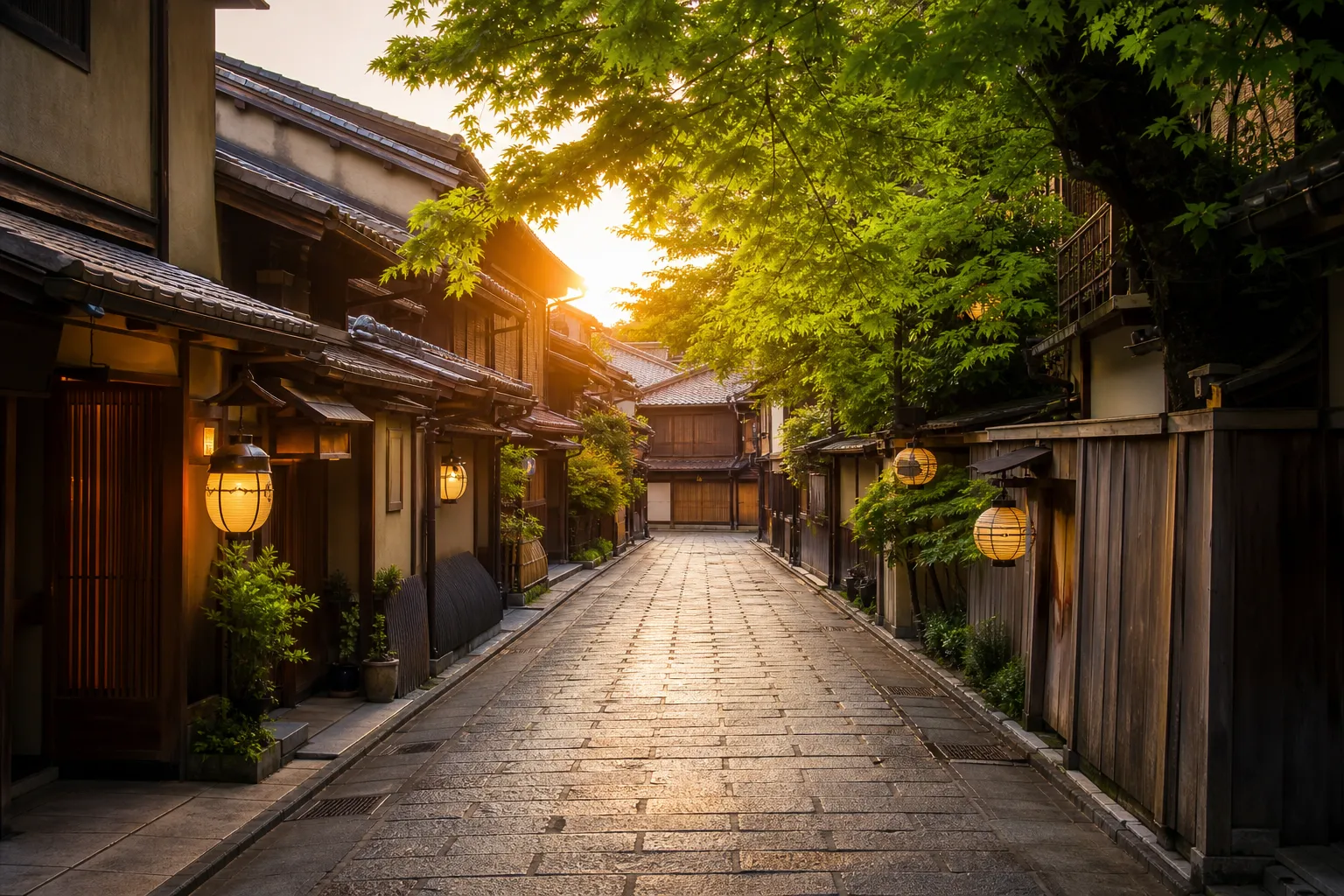
Gion at dusk — the atmosphere that makes a central Kyoto base so coveted.
Why Kyoto Suddenly Feels Different In 2026
For years, the city's top tier was a short, predictable list. That list just changed. The Imperial Hotel, Kyoto opened on March 5, 2026, inside the restored Yasaka Kaikan landmark in Gion. The Capella Kyoto followed in late March, set in the Miyagawa-cho geiko district. And Six Senses Kyoto arrived as the brand's first house in Japan, leaning hard into wellness and design.
Three openings. Three philosophies. The temptation is to read the headlines and book the newest name. That is usually a mistake.
In our experience, the property matters less than its address, its silence, and how you arrive. A magnificent suite on a noisy lane can feel like a compromise by the third evening. A modest room with a garden view and a discreet entrance can feel like a secret you never want to leave.
So we evaluate Kyoto bases through two lenses. The first is wabi-sabi — the materials, the shadow, the garden, the quality of quiet. The second is discretion — how you enter, how you leave, and whether anyone outside the building ever needs to know your name.
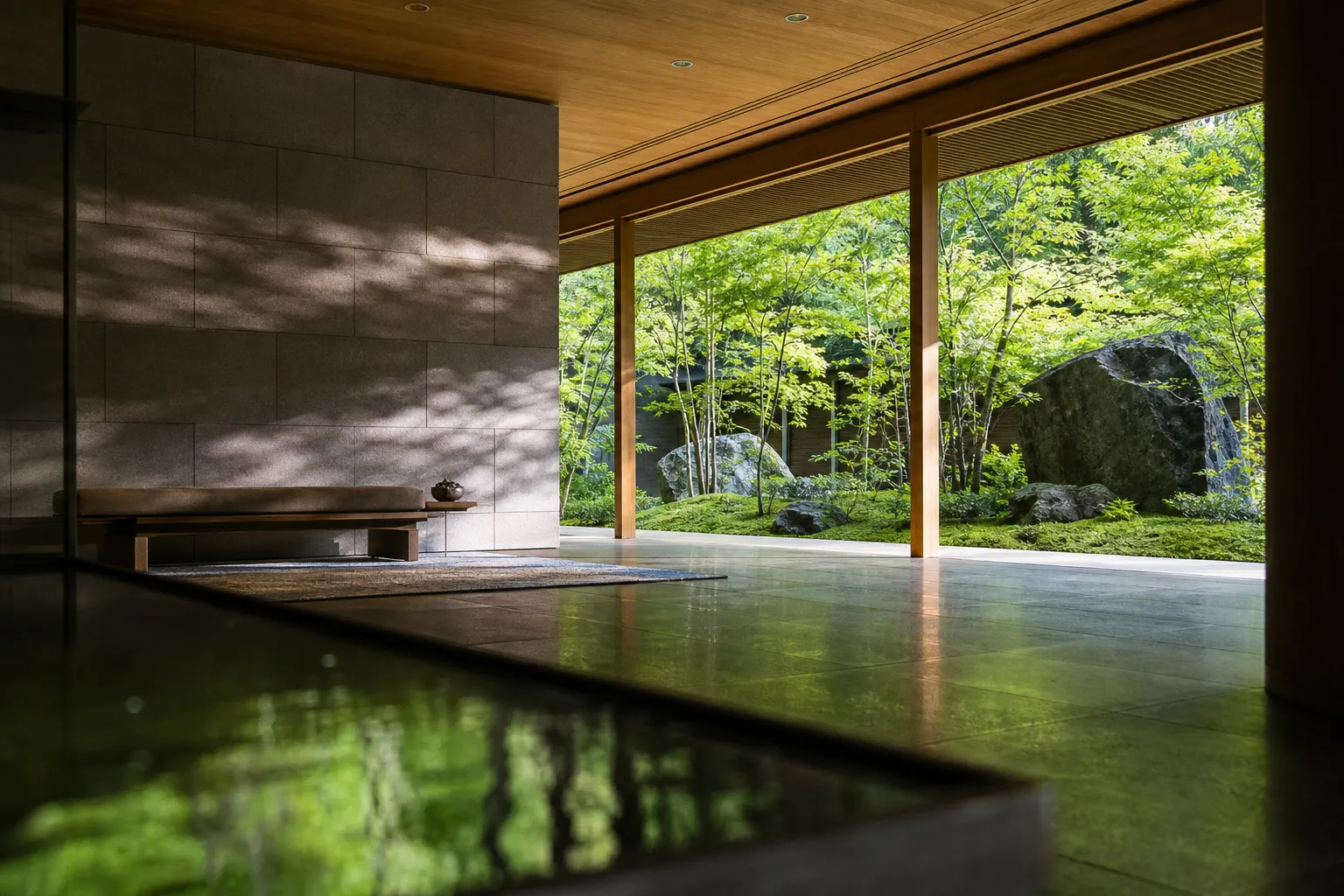
Materials, silence, and shadow — the wabi-sabi lens we use to evaluate every base.
The Three Contenders, By Travel Style
Here is the short version before we go deeper. Each of these is real, open, and bookable through its own brand channels. We are describing them, not reserving them on your behalf.
| Property | Neighborhood | Best For | |---|---|---| | Imperial Hotel, Kyoto | Gion | Heritage gravitas, formal service register | | Capella Kyoto | Miyagawa-cho | Geiko-district atmosphere, walkable culture | | Six Senses Kyoto | Higashiyama / Toyokuni area | Wellness-forward, design-led, restorative |
Option A: Imperial Hotel, Kyoto — The Weight Of Legacy
The Imperial name carries something. Its Tokyo flagship has hosted state guests and dignitaries for generations, and that formal hospitality DNA travels with it. The Kyoto house sits within the restored Yasaka Kaikan in Gion — a building with its own architectural standing.
This is the choice for the guest who wants gravity. Marble. Precise service. A lobby that signals seriousness without shouting. If your idea of luxury is a flawlessly choreographed arrival and staff who anticipate before you ask, this register will feel like home.
- Strongest fit for those who value formal, imperial-class service rather than minimalist restraint
- Gion location places you near Yasaka Shrine, Hanami-koji, and the Higashiyama temple corridor
- The trade-off: Gion's most photographed lanes draw heavy daytime crowds
That last point matters more than brochures admit. We address it directly in the privacy section below.
Option B: Capella Kyoto — Living Inside The Culture
Capella chose Miyagawa-cho, one of Kyoto's five hanamachi — the districts where geiko and maiko still train and perform. You are not visiting the culture from a distance here. You are sleeping inside it.
The appeal is intimacy. Smaller in feel, design-conscious, and built around the rhythm of a working geiko quarter. For the guest who wants to step out the door and feel Kyoto immediately — wooden machiya facades, lantern light, the hush of narrow streets at dusk — this is the romantic answer.
- Best for travelers who prize neighborhood texture over grand-hotel scale
- Walkable to the Kamo River, Gion, and Kiyamachi dining lanes
- The trade-off: a denser, more compact setting than a garden-wrapped retreat
Option C: Six Senses Kyoto — The Restorative Base
Six Senses built its name on wellness, and its Kyoto debut follows that thread. Expect a spa-forward, sustainability-minded property with a design language rooted in natural materials and calm.
This is the base for the guest arriving tired. Long flights, back-to-back cities, a calendar that never stops — Six Senses is engineered to reset the nervous system. If your Kyoto is about slowing down rather than checking sights off a list, start here.
- Ideal for honeymooners, recovery-focused stays, and design lovers
- Positioned near the Higashiyama cultural belt and the Hokanji pagoda area
- The trade-off: wellness-led means a different energy than a heritage grand hotel
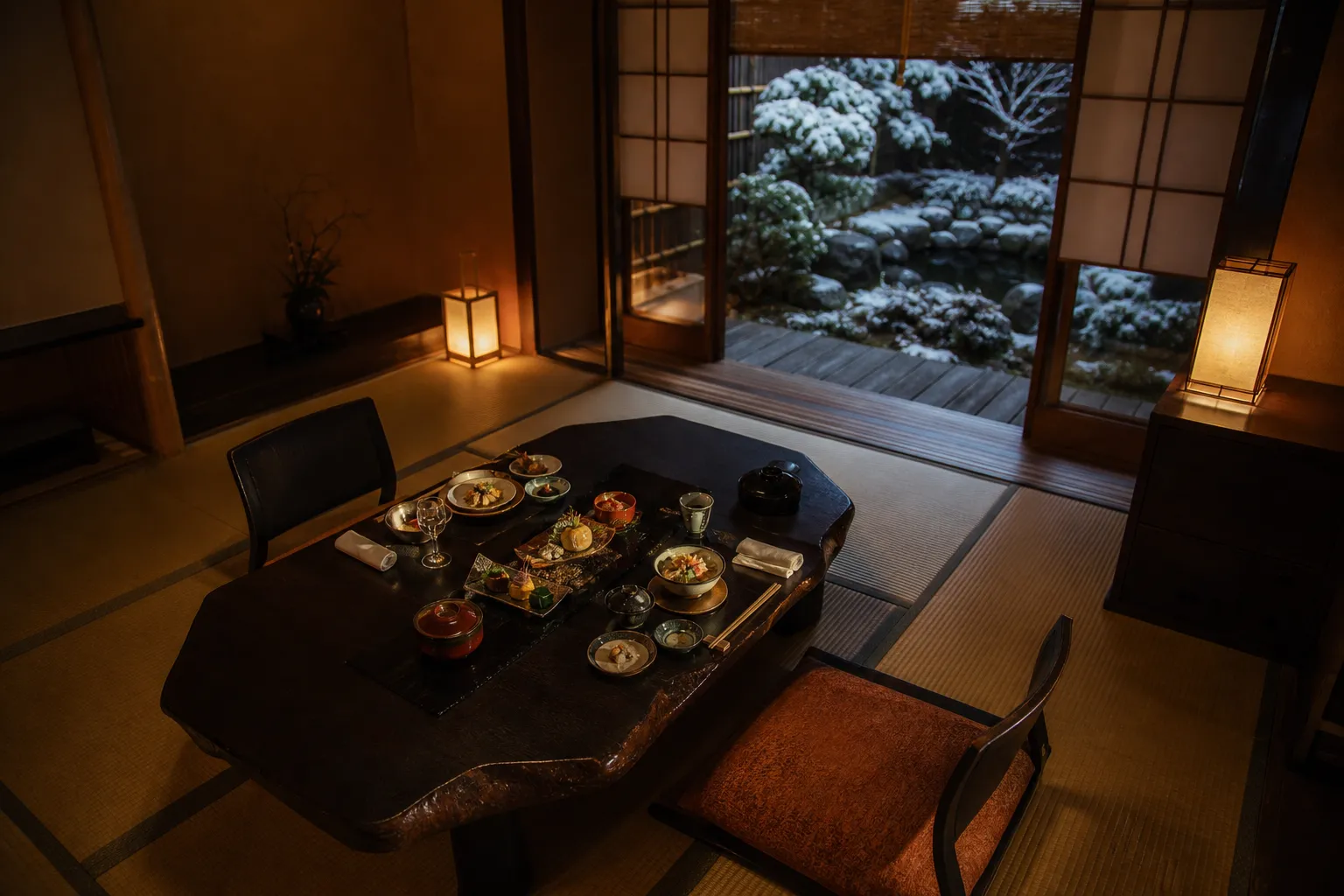
A serious ryokan offers a different concept of time — and the night many travelers remember most.
The Case For A True Ryokan Instead
None of the above is a ryokan. And for many of our guests, a night or two in a genuine ryokan is the part of Kyoto they remember longest.
The distinction is real. A luxury hotel gives you polish. A serious ryokan gives you a different concept of time — tatami underfoot, a kaiseki dinner served in your room, a private cypress bath, and a stillness that modern hotels cannot manufacture.
Kyoto's most respected ryokan, Tawaraya in the city center, has hosted travelers for roughly three centuries and remains a benchmark for understated refinement. Hiiragiya, nearby, carries a similar lineage. These houses do not advertise. They are the kind of place you enter through quiet reputation, not search results.
Our usual counsel: Pair a hotel base with one or two ryokan nights. Use the hotel for logistics, spa, and easy mornings. Use the ryokan for the night you want to feel Kyoto in your bones. A split stay is, for most HNW travelers, the most complete version of the city.
We explore the ryokan choice in more depth in our companion piece, The Ultimate Guide to Luxury Travel in Japan.
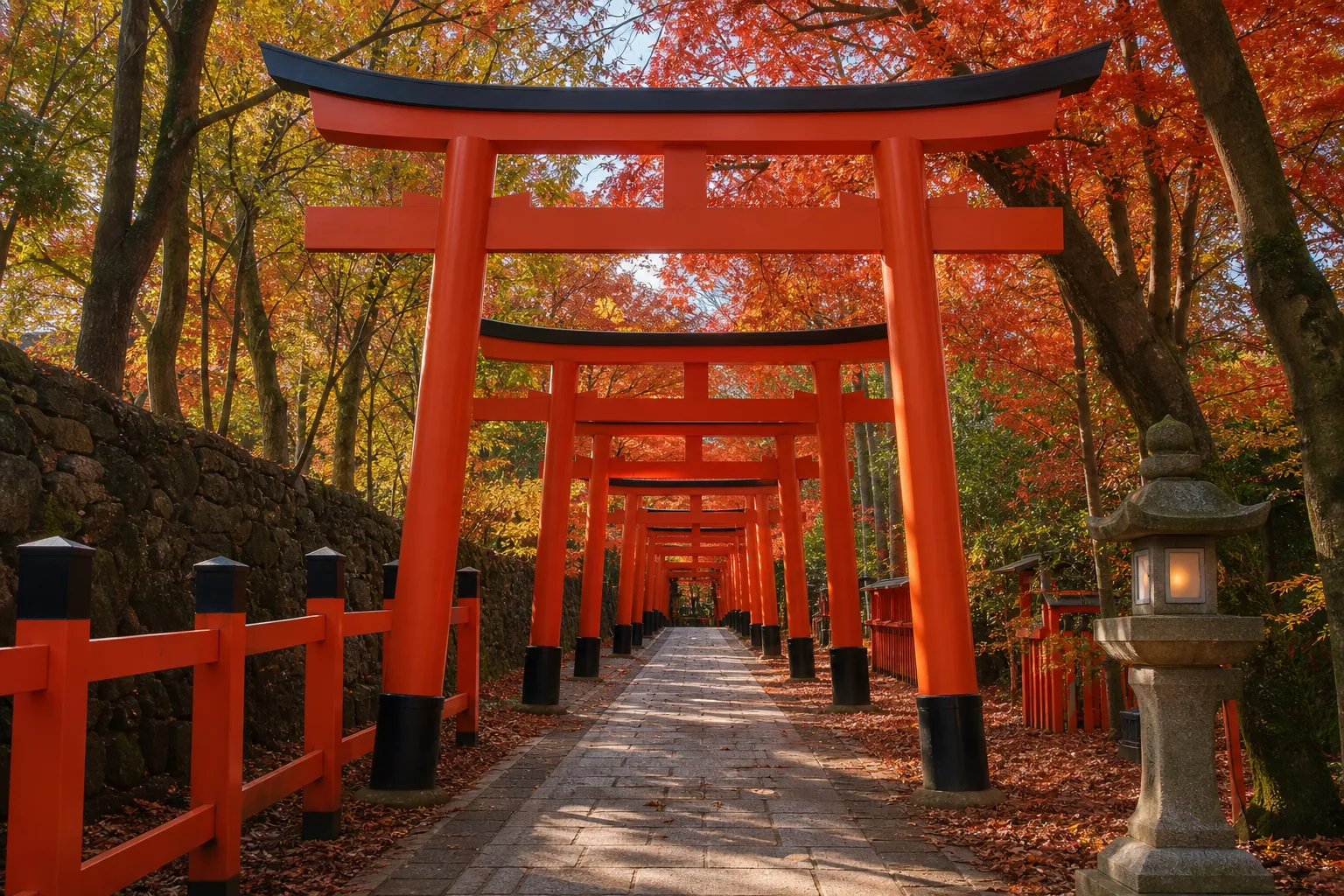
Fushimi Inari at 6:30 a.m. — the dawn window is the most effective way to enjoy Kyoto in peace.
How To Stay Central And Still Avoid The Crowds
Here is the paradox of central Kyoto. The most atmospheric addresses sit on the most crowded streets. Gion's Hanami-koji at midday can feel like a procession. Higashiyama's approach to Kiyomizu-dera fills early and stays full.
You do not have to choose between centrality and calm. You have to choose your timing and your routing.
The single most effective move is the dawn window. Fushimi Inari Taisha at 6:30 a.m. is nearly empty; by 10 a.m. it is shoulder to shoulder. The bamboo grove at Arashiyama tells the same story. With a private chauffeur on call, an early start is effortless rather than punishing.
Our coordinators also build itineraries around the city's quieter quarters. Consider these instead of the obvious sites at peak hours:
- The northern temples — Shisen-do and the gardens around the Philosopher's Path see far fewer feet than central Higashiyama
- Ohara, about 40 minutes north, where Sanzen-in's moss gardens reward the small effort to get there
- Early Nanzen-ji, whose brick aqueduct and Zen sub-temples stay serene before the tour groups arrive
Room placement is part of this too. A garden-facing room set back from the street changes how the city sounds at night. When we advise on a stay, we discuss specific room orientation, not just room category — the difference between a restful base and a merely expensive one.
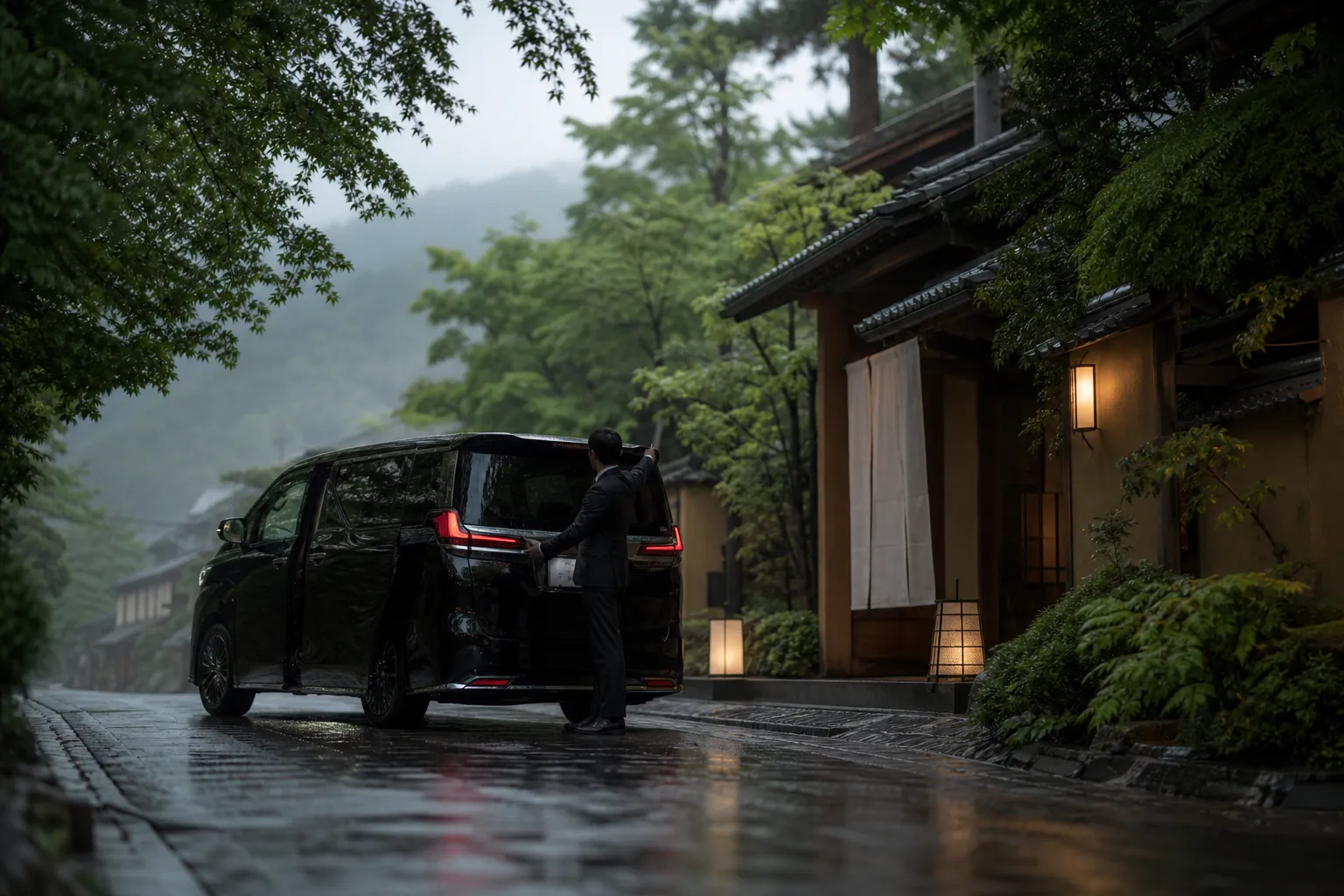
Quiet logistics — controlling when and how you appear in public is the real luxury.
Arrival, Privacy, And The Things Brochures Skip
For travelers who value discretion, the entrance matters as much as the suite. Gion and Miyagawa-cho are beautiful precisely because they are alive — which also means cameras, foot traffic, and visibility on busy lanes.
This is solvable with planning. A private transfer that times your arrival away from the daytime crush. A drop-off point chosen for sightlines, not just convenience. A return from dinner that does not route you through the most photographed corner in the city.
Our chauffeured fleet — from the Lexus LM 500 to the Toyota Alphard for families — is built around this kind of quiet logistics. The car is comfortable, yes. More importantly, it gives you control over when and how you appear in public. For many of our guests, that control is the real luxury.
Discretion also extends to what we hold internally. Guest identity and itinerary remain confidential, full stop. Nothing about your stay travels beyond the people who need it to serve you well.
A Practical Way To Decide
If you remember nothing else, use this shorthand.
- Want formal grandeur and a state-guest service register? Lean Imperial Hotel, Kyoto.
- Want to live inside a working geiko district? Lean Capella Kyoto.
- Want to arrive exhausted and leave restored? Lean Six Senses Kyoto.
- Want the deepest cultural night of your trip? Add a ryokan such as Tawaraya or Hiiragiya.
The best 2026 itineraries we build rarely use only one. A two-base approach — a hotel for ease, a ryokan for soul — consistently delivers the richest Kyoto.
Frequently Asked Questions
When did the Imperial Hotel, Kyoto open?
The Imperial Hotel, Kyoto opened on March 5, 2026, within the restored Yasaka Kaikan landmark in the Gion district, according to the Imperial Hotel's own press materials.
Which Kyoto hotel is best for avoiding crowds?
No single property guarantees solitude in central Kyoto. The more reliable strategy is timing and routing — dawn temple visits, quieter northern quarters like Ohara, and garden-facing rooms set back from busy lanes. A private chauffeur makes early starts effortless.
Is a ryokan better than a luxury hotel in Kyoto?
They serve different purposes. A hotel offers polish, spa facilities, and easy logistics. A ryokan such as Tawaraya offers tatami rooms, in-room kaiseki, and a stillness hotels cannot replicate. Many travelers split their stay between both.
Can you stay centrally in Kyoto and still have privacy?
Yes, with planning. Private arrivals timed away from peak foot traffic, considered drop-off points, and careful room placement all preserve privacy even in lively districts like Gion and Miyagawa-cho.
Why Choose Japan Royal Service
Choosing a Kyoto base is not a hotel comparison. It is a question about how you want to experience the city — and that is exactly the conversation our team at Japan Royal Service exists to have.
We do not sell a single property. We listen for travel psychology, then match it to the right address, the right room orientation, and the right rhythm of days. Our concierge knows which lanes empty at dawn, which ryokan welcome guests by introduction, and how to choreograph an arrival so your stay stays yours.
That is the quiet difference: depth of local knowledge, total discretion, and access to the Kyoto that does not appear in a search result. We share information openly here; the tailoring happens privately, in conversation.
Tell us how you want to wake up in Kyoto in 2026, and we will help you choose the base that makes it real. Reach our concierge directly via WhatsApp or the contact form at japanroyalservice.com to begin a private, no-pressure conversation.