Culture
Kyoto’s Best Kept Secrets: Private Luxury Tour
Discover a private tour in Kyoto blending quieter temples with master artisan encounters—planned with seasonality, calm pacing, and discreet omotenashi.
with Japan Royal Service
Kyoto rewards patience—but most visitors are rushed by crowds, fixed tour routes, and “must-see” checklists that leave little room for the quiet, human Kyoto you came for. A truly private tour in Kyoto solves a different problem: how to step gently behind the obvious and into places where the air changes—moss-dark stone, incense, the soft knock of a wooden mallet in a workshop—without feeling like you are trespassing on a living culture. This guide shows how to plan a temple tour in Japan that is refined, calm, and deeply personal, pairing hidden temples with master artisans through a cultural experience curated around your pace and interests.
Why a Private Guided Tour Changes Kyoto (and Why It Matters)
Kyoto is not difficult to visit. It is difficult to enter. The difference is time, timing, and interpretation—knowing which lane to turn into, which gate to approach, and when to arrive so a temple garden feels like a private room rather than a public corridor.
For many high-net-worth travelers, the goal is not “more luxury.” It is less friction and more meaning. A private tour of Kyoto experience gives you a guide who can adjust in real time to weather, crowds, and your energy—while keeping the day unhurried and coherent.
- Omotenashi: care that anticipates what you have not asked for—shade when the sun shifts, a quiet bench before you feel tired, a pause before the next museum-like moment.
- Shun (seasonality): Kyoto is different in each month. The right temple at the wrong time can feel flat; the right temple at the right hour can feel like a revelation.
- Shokunin: artisanship is Kyoto’s true inheritance. A well-planned artisan workshop becomes a private encounter with skill, not a souvenir stop.
- Wabi-sabi: restraint, patina, and silence—Kyoto’s “luxury” often looks simple until you realize how rare simplicity is.
- Discretion: your identity, preferences, and itinerary should remain yours alone.
What “Hidden Temples” Really Means in Kyoto
“Hidden” does not mean secret or forbidden. In Kyoto, it usually means one of three things: places that are real and open, but overlooked; famous sites visited at the right time and via the right approach; or sub-temples and side streets that most visitors never notice because they are focused on a single photo.
Below are real, verifiable Kyoto temple sites that work beautifully for a private, high-touch day—especially when your guide can manage timing and context.
Quiet, Overlooked Temples and Gardens (Real Places, Real Calm)
- Shisen-dō (詩仙堂): A small temple villa in the northeast hills, known for its garden and soft, contemplative atmosphere. Arrive early for the kind of stillness Kyoto is famous for.
- Enkō-ji (圓光寺): Also in the Ichijōji area, prized for seasonal color and a garden that encourages slow looking rather than fast photography.
- Hōnen-in (法然院): A serene temple approach along the Philosopher’s Path area, often quiet even when nearby spots are busy.
- Otagi Nenbutsu-ji (愛宕 念仏 寺): In Arashiyama’s wider area, known for its many stone figures. It feels far from central Kyoto even when you are not.
Iconic Temples, Visited Like a Local (Timing Is the Luxury)
A temple tour for Japanese visitors often includes the famous names, and they can be extraordinary with the right choreography.
- Kiyomizu-dera: Visit early and route through quieter lanes to avoid peak congestion on approach.
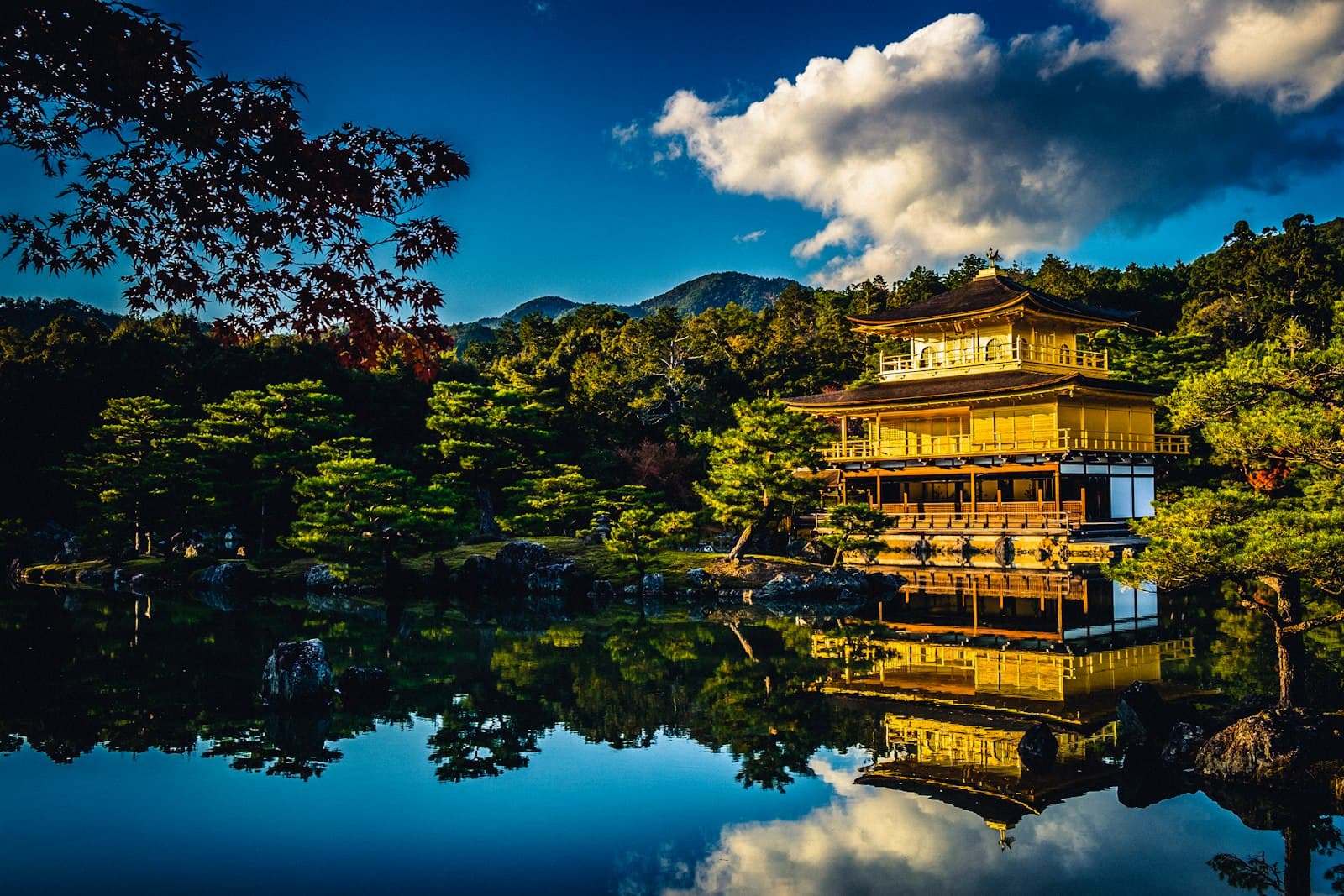
- Kinkaku-ji (Golden Pavilion): Best treated as a precise, efficient stop—then you move on quickly to a calmer counterpoint nearby.
- Fushimi Inari Taisha: Go at sunrise or in the last light; climb beyond the first photo-heavy section to find space.
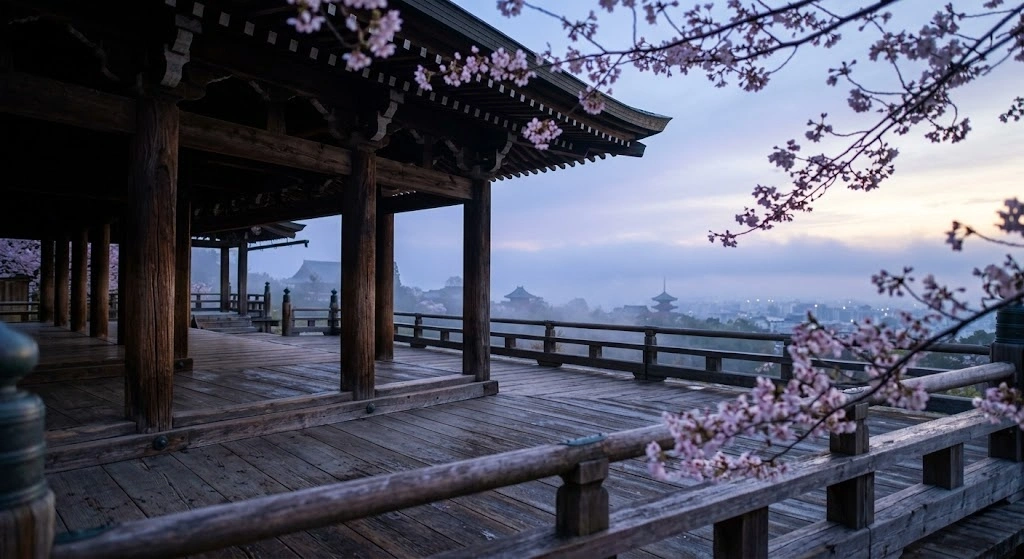
Experience the timeless grandeur of Kiyomizu-dera in absolute tranquility, bypassing the crowds through perfectly timed early morning access.
Master Artisans in Kyoto: The Cultural Experience Most Travelers Miss
Kyoto’s crafts are not a side activity. They are the city’s living language—wood, clay, lacquer, paper, textile, and metal. The most satisfying artisan workshop is not about making something quickly; it is about understanding what “mastery” looks like in Japan.
Because availability can vary by season, schedule, and the artisan’s own commitments, the right approach is to treat artisan time as a curated appointment rather than a plug-in activity.
Artisan Workshop Ideas That Pair Naturally with Temples
- Nishijin-ori (西陣織) textiles: Kyoto’s historic weaving district (Nishijin) connects well to a northern-temple route. A curated visit can focus on materials, the meaning of patterns, and how formal kimono fabrics are made.
- Kiyomizu-yaki / Kyō-yaki pottery: Kyoto pottery traditions are closely tied to tea culture and seasonal dining. A thoughtfully arranged session can deepen your later experience of kaiseki.
- Kyō-yūzen (京友禅) dyeing: Ideal for travelers drawn to design and detail; it reframes “kimono” from fashion into fine art.
- Traditional Japanese incense (kōdō culture): When available in an appropriate setting, incense appreciation pairs beautifully with temple visits, because you begin to notice scent the way you notice light.
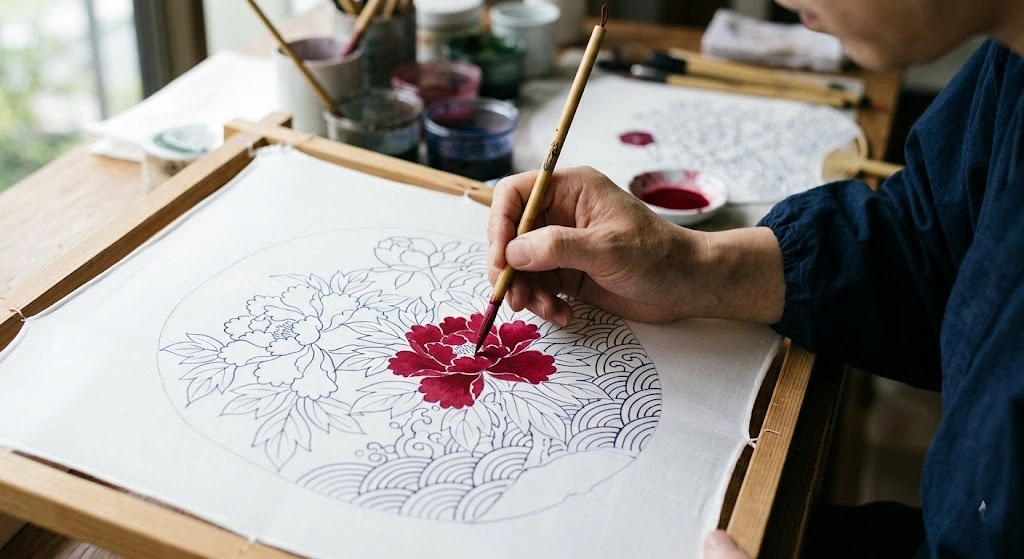
Reframe the traditional kimono from historic fashion to world-class fine art by witnessing the exquisite, painterly precision of Kyō-yūzen dyeing.
A One-Day Private Tour Kyoto Blueprint (Step-by-Step)
This is a practical framework you can adapt to Japan Royal Service. It keeps the day elegant and realistic—no rushing, no zig-zagging across the city, and no overload.
Step 1: Begin Early (So Kyoto Feels Private)
Start before most tour buses move. Your guide will time the first temple so you enter during its quietest window. This is not about being extreme; it is about buying calm with planning instead of paying for it with stress.
- Goal: 60–90 minutes of true quiet.
- What to bring: a light layer, comfortable shoes, and a small bag (for hands-free use in narrow lanes).
Step 2: A “Hidden” Temple Pairing (One Garden, One Atmosphere)
Choose two nearby temples that feel different: one garden-centered, one path-centered. The contrast keeps the morning emotionally fresh.
- Example pairing: Shisen-dō + Enkō-ji (both in the Ichijōji area).
- Insider tip: Ask your guide to build in a short pause for tea or water between them, not after—small resets prevent temple fatigue.
Step 3: A Private Artisan Workshop (Planned Like a Reservation, Not a Drop-In)
This is where a private guided tour shows its value. Workshops worth your time often require advance coordination, clear etiquette, and translation that respects the craft.
- What to clarify in advance: how hands-on you want the session to be; whether you prefer observation, guided practice, or a deeper talk about materials and process.
- What to request: a short “story of the craft” segment—origins, tools, and what distinguishes Kyoto workmanship.
Step 4: Lunch That Matches the Day’s Tone
A temple-and-craft day calls for food that is seasonal, quiet, and not performative. Kyoto is the home of refined simplicity—especially when your schedule allows a calm table.
- Consider kaiseki (seasonal multi-course cuisine) or a carefully chosen soba- or tofu-focused meal along your route.
- Dietary needs: Japan can accommodate many preferences, but it works best when planned. Share requirements in advance so the kitchen can respond gracefully.
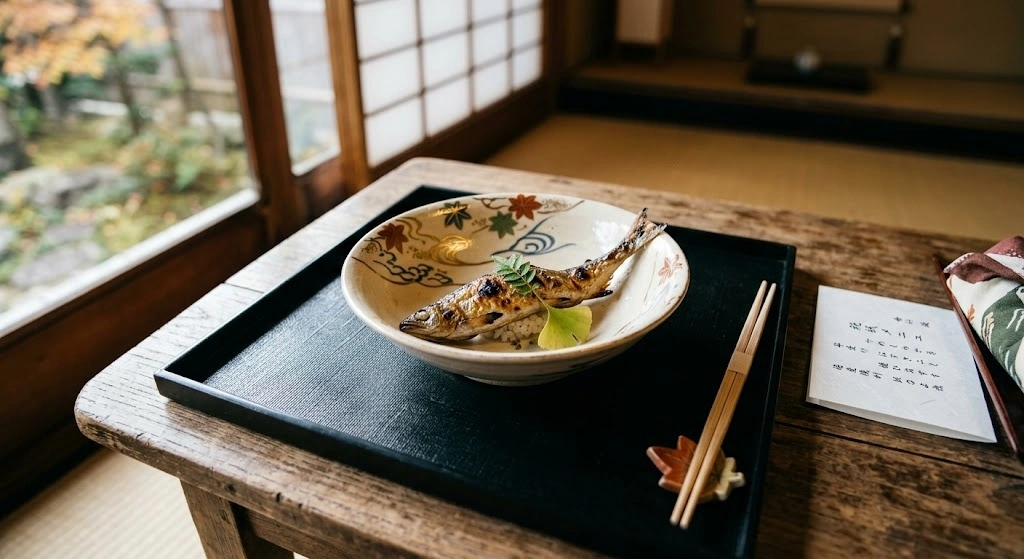
Savor the refined simplicity of a tailored kaiseki lunch, where every seasonal ingredient is prepared with quiet, understated mastery.
Step 5: An Afternoon of Icons—But Only One or Two
In the afternoon, choose one iconic site that matters to you and do it properly. Your guide will route you through less-crowded approaches to reduce wasted time.
- If it’s your first visit to Kyoto, Kiyomizu-dera can be especially meaningful with smart timing and a thoughtful walk through nearby lanes.
- If you want atmosphere over views, Hōnen-in and a slow section of the Philosopher’s Path can feel more “Kyoto” than any headline landmark.
Step 6: End with a Gentle Ritual (Not Another Sight)
Kyoto days end best when they taper into quiet. Depending on your interests, this could be a short tea moment, a garden pause, or simply a discreet drive back to your hotel with a few curated stops for evening photos.
Seasonal Planning (Shun): When to Do This Tour
Kyoto is famously seasonal, but the experience changes not only by month, but also by time of day and neighborhood. Japan Royal Service plans around these nuances so your cultural experience feels natural, not crowded.
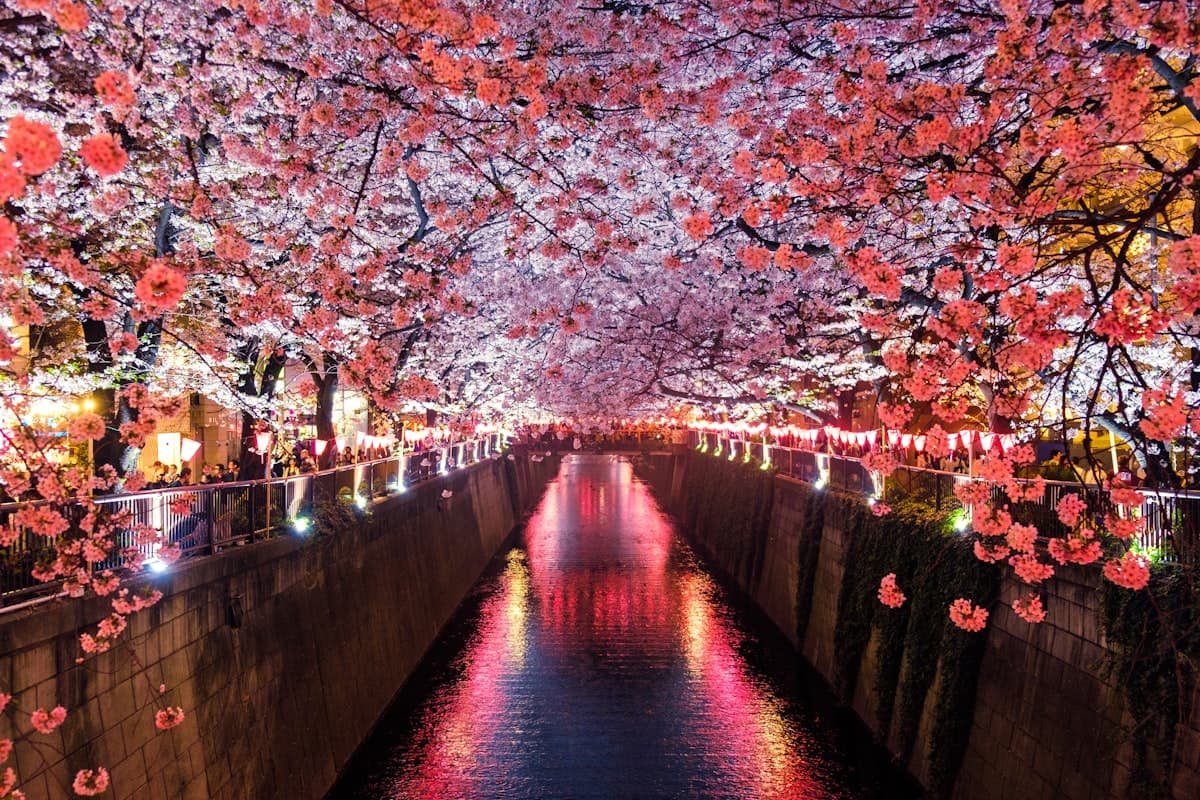
- Spring (late March to early April): Cherry blossoms draw crowds. The strategy is to start early, choose quieter temples, and avoid bottlenecks during peak hours.
- Early summer (June): Hydrangea season and fresh green can be beautiful. A private car and a well-paced route make humid days comfortable.
- Autumn (November): Peak foliage is popular for a reason. The best days are built around timing and calm intervals, not trying to “collect” every famous spot.
- Winter (December to February): Fewer visitors and a clean, spare beauty. This is an ideal season for wabi-sabi travelers who enjoy quiet temples and warm meals.
Kyoto Etiquette for Temples and Workshops (Simple, Essential)
Good manners are not about formality. In Kyoto, they protect the atmosphere that makes these places worth visiting.
- At temples: speak softly; follow photo rules; don’t step onto restricted areas; keep phone sounds off.
- In workshops: arrive on time; avoid touching tools or pieces unless invited; let your guide handle sensitive translations with care.
- At sacred spaces: a short pause at the gate is often appreciated—enter calmly, not mid-conversation.
Why Choose Japan Royal Service for a Private Tour in Kyoto
Many companies can sell you “a private guide.” Japan Royal Service is built for travelers who value refinement, cultural depth, and privacy—without making the day feel stiff or scripted.
1) Discretion Is Designed In
Kyoto is small in the way that matters: relationships matter. Japan Royal Service treats your identity and itinerary as confidential. That includes practical discretion—minimal branding, quiet coordination, and a preference for low-friction logistics.
2) The Right Guide for Your Kyoto
A private guided tour is only as good as the person leading it. Japan Royal Service matches guides not just by language but by interests —architecture, Zen gardens, craft, culinary culture, or photography—so your temple tour experience in Japan has coherence.
3) Shun-First Planning (Not a Generic Route)
Competitors often run the same Kyoto loop year-round. Japan Royal Service designs your day around the season, light, and crowd rhythm. This is where Kyoto shifts from “beautiful” to “yours.”
4) Craftsmanship, Not Souvenirs
Kyoto is full of shops that look traditional but are built for quick purchases. Japan Royal Service focuses on shokunin culture—workshops and encounters where the craft itself is central, and where etiquette and translation protect the experience for both guest and maker.
5) Calm Logistics: Private Transportation, Elegant Pacing
Kyoto’s taxis and buses are fine—until they interrupt the mood. With premium private transportation, your day stays quiet between stops. You do not lose energy to navigation, lines, or decision fatigue.
Practical Planning Tips (So Your Day Feels Effortless)
These details are small, but they are where luxury becomes real.
- Tell us your walking comfort level: Kyoto is walkable, but the slopes and stone paths can add up. We adjust routes and pacing.
- Choose one priority: “more temples” or “deeper craft.” Trying to maximize both can flatten the day.
- Built in one unplanned pocket: 30–45 minutes with no objective often becomes the most memorable part—especially in a quiet neighborhood.
- Start earlier than you think: The city is softer in the morning. Your photos improve, too.
Recommended Kyoto Areas for This Style of Tour
To keep the day running smoothly, Japan Royal Service typically designs routes around one main zone and one secondary stop.
- Northern Higashiyama / Okazaki area: good for culture, gardens, and a calm rhythm.
- Ichijōji (northeast of Kyoto): ideal for quieter temples such as Shisen-dō and Enkō-ji.
- Arashiyama (wider area): famous highlights plus quieter corners such as Otagi Nenbutsu-ji if you go beyond the central riverfront.
Internal Links (Plan the Rest of Your Kyoto Journey)
To build a complete itinerary around this private tour of Kyoto experience, these Japan Royal Service resources are a useful next step:
- Japan Royal Service — Bespoke Luxury Japan Travel
- Kyoto Travel Planning with Japan Royal Service
- Inquire — Request a Tailored Proposal
Final Thoughts
A private guided tour of Kyoto is not about exclusivity for its own sake. It is about protecting the feeling that brought you to Japan: quiet beauty, skilled hands, and the rare comfort of being looked after without having to ask. When hidden temples are chosen with seasonality in mind, and artisan encounters are treated with respect, Kyoto stops being a list of sights and becomes a personal experience.
Japan Royal Service curates this style of travel with omotenashi, shun, shokunin access, and discretion—so your temple-tour journey in Japan feels calm, precise, and deeply Kyoto.
Design Your Private Tour Kyoto Day
If you share your travel dates, interests (temples, gardens, crafts, cuisine), and preferred pace, Japan Royal Service will propose a tailored route with the right guide and carefully timed visits. Inquire for a discreet consultation and a curated cultural experience that matches how you want to feel in Kyoto.