Wellness
The Silence of Zen: Inside Kyoto's Most Exclusive Private Retreat
The Silence of Zen: A Private Retreat in a 13th-Century Kyoto Sub-Temple Finding Stillness in a Fast-Paced Wor
Finding Stillness in a Fast-Paced World
Modern travel often feels like a race against time. You rush from one landmark to the next, navigating crowded streets and snapping photos before moving on. While you see the sights, you might miss the soul of the destination. Many of our clients at Japan Royal Service come to us with a specific desire: they want to escape the noise.
They seek a moment of genuine reflection that a standard luxury hotel cannot provide. If you feel overwhelmed by the constant "on" of daily life, you are not alone. The solution lies deep within the historic gates of Kyoto. Here, the concept of "The Silence of Zen" is not just a phrase. It is a lived experience that we curate exclusively for you.
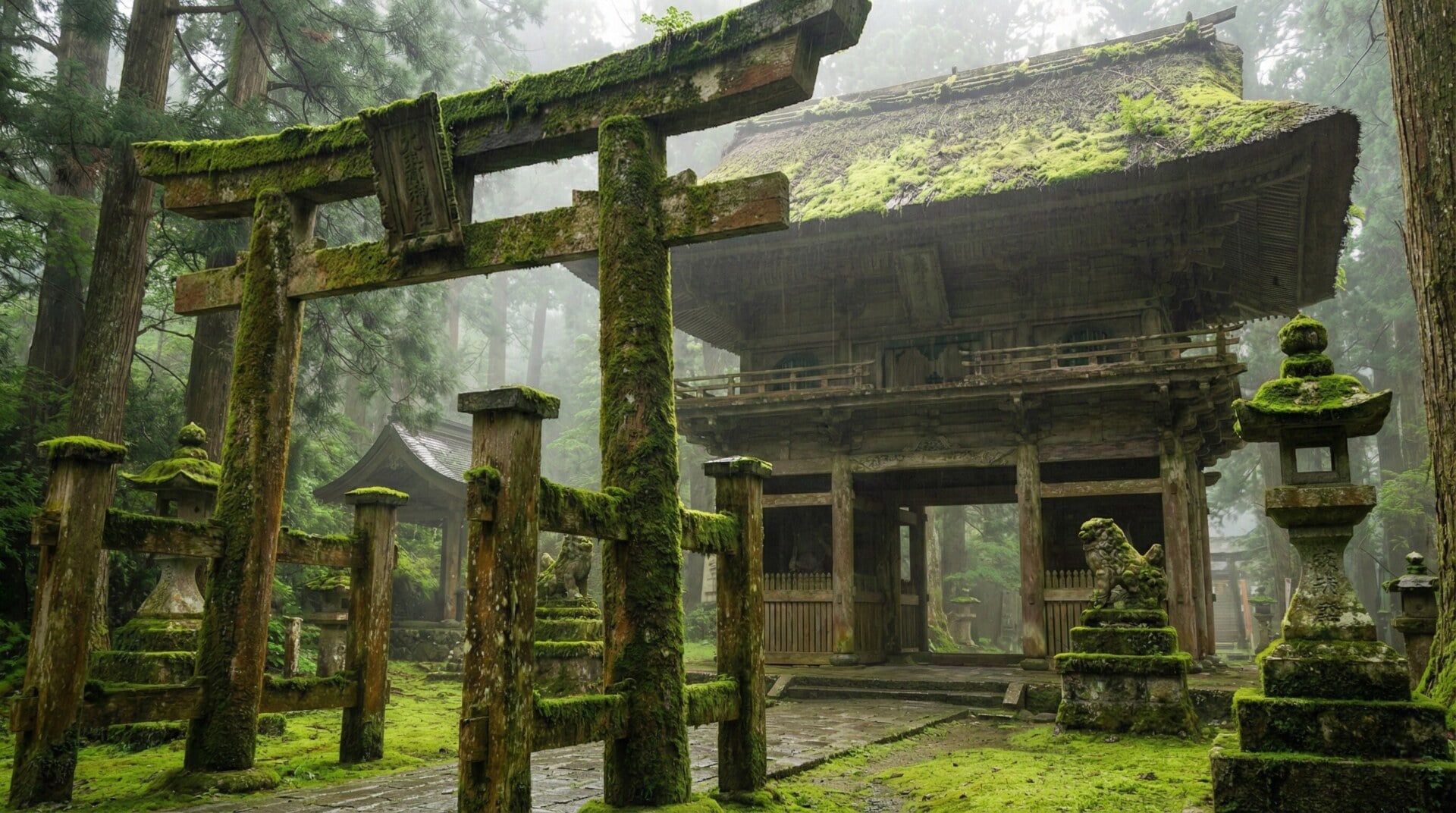
Imagine stepping into a space that has remained largely unchanged for 800 years. This is a private retreat in a 13th-century Kyoto sub-temple, where history and spirituality meet in perfect harmony.
The Legacy of the 13th Century: Kyoto's Golden Age of Zen
To understand the power of this retreat, one must understand the era that birthed it. The 13th century was a transformative time for Japan. It was during this period that Zen Buddhism took firm root in Kyoto, supported by the ruling samurai class.
These warriors sought the mental discipline and clarity that Zen provided. They commissioned the construction of grand temple complexes. Within these complexes, "sub-temples" or tatchu were built to honor great masters or serve as private residences for high-ranking monks.
What makes a Sub-Temple Special?
While the main halls of famous temples attract thousands of tourists, the sub-temples remain hidden gems. Many are closed to the public year-round. They serve as quiet sanctuaries for prayer, study, and meditation.
By arranging a private retreat in one of these 13th-century spaces, you gain access to a world that remains invisible to the average traveler. You are not just visiting a museum; you are entering a living lineage of peace.
The Architecture of Mindfulness
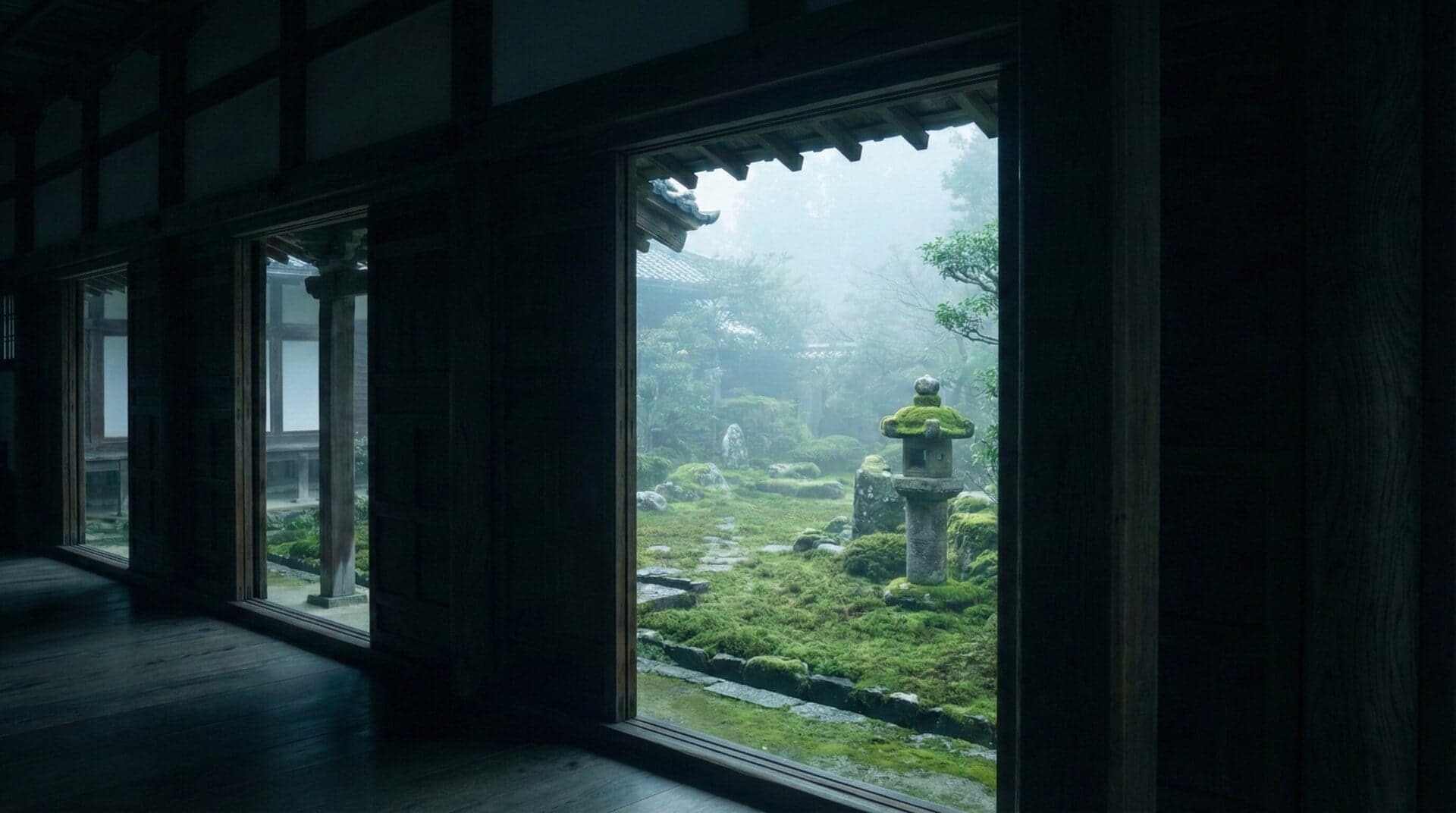
The design of a Kyoto sub-temple is intentional. Every wooden beam, sliding paper door (shoji), and tatami mat is placed to encourage a sense of calm. The architecture itself is a form of meditation.
When you enter the temple, the first thing you notice is the scent. The faint aroma of aged cedar and sandalwood incense immediately signals to your brain that it is time to slow down. The floors, polished by centuries of footsteps, have a soft, grounding texture.
The Role of the Karesansui (Dry Rock Garden)
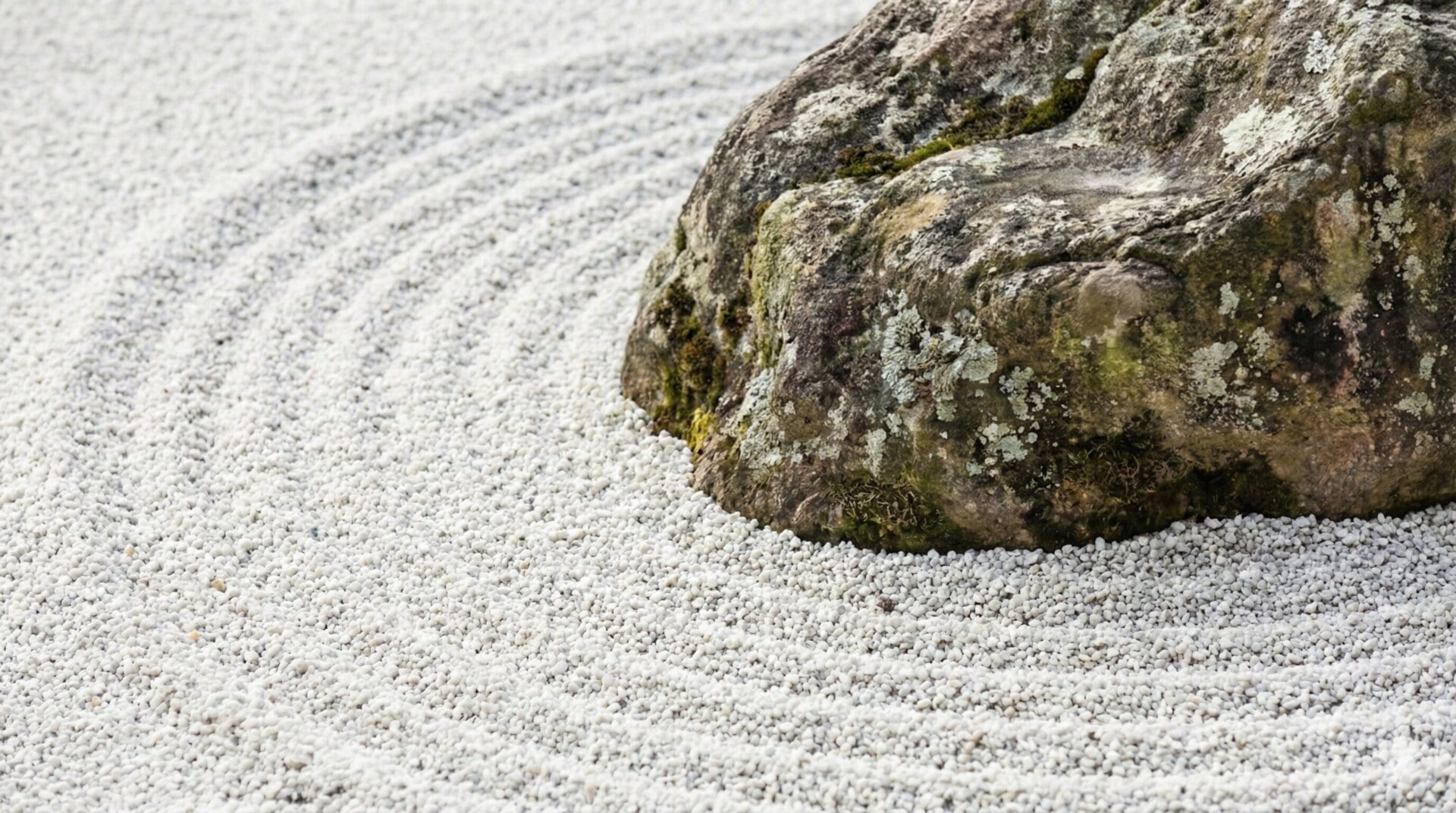
Most 13th-century sub-temples feature a karesansui garden. These are the famous "Zen gardens" made of raked gravel and carefully placed stones. To the untrained eye, they are beautiful landscapes. To the Zen practitioner, they represent the vastness of the ocean or the height of the mountains.
During your private retreat, you will have the opportunity to sit on the engawa (wooden veranda) and simply look at the garden. In the silence, the mind begins to mirror the stillness of the stones.
The Experience: Private Zazen Meditation
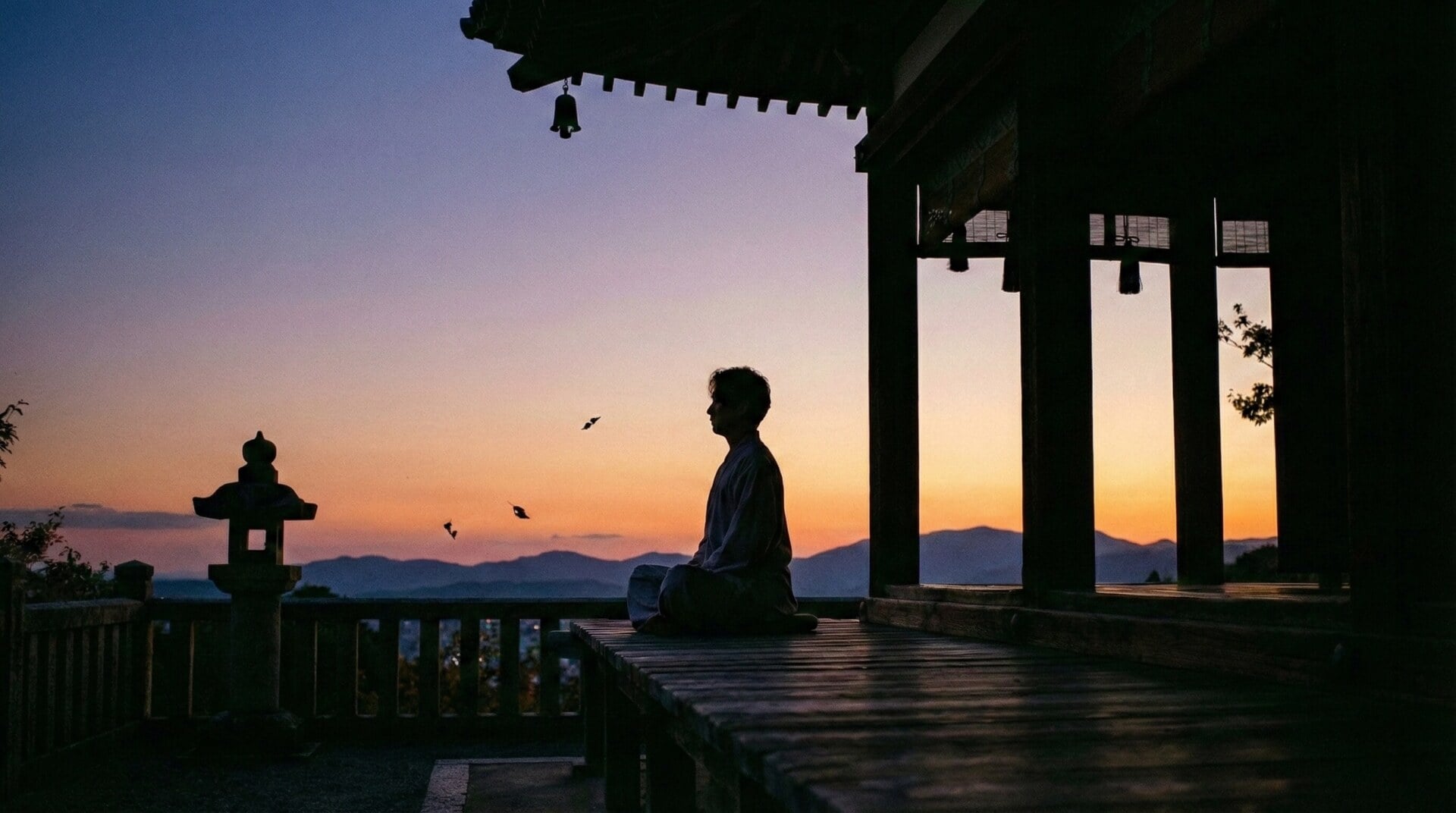
The heart of any Zen retreat is Zazen, or seated meditation. While many places offer group meditation sessions, Japan Royal Service focuses on exclusivity and depth. We arrange for a private session with a resident monk or the temple's head priest.
Learning from a Master
Sitting with a Zen master is a profound experience. They do not just teach you how to sit; they teach you how to breathe and how to observe your thoughts without judgment. In the privacy of a 13th-century hall, you don't have to worry about the distractions of other tourists.
The master will guide you through the posture and the focus required. You will learn to find the "center" of your being. This practice is not about clearing your mind of all thoughts. It is about becoming an observer of the world, much like the temple walls that have watched centuries pass by.
The Sound of One Bell
In the silence of the temple, sounds become more meaningful. The distant chime of a bell or the "clack" of a bamboo water feature (shishi-odoshi) helps ground you in the present moment. These sounds emphasize the silence rather than breaking it.
Shojin Ryori: Tasting the Essence of Zen
A retreat for the soul must also nourish the body. During your stay, you will experience Shojin Ryori, the traditional vegetarian cuisine of Zen monks. This is not "temple food" in a basic sense; it is a high art form that influenced the development of Kaiseki (Japanese haute cuisine).
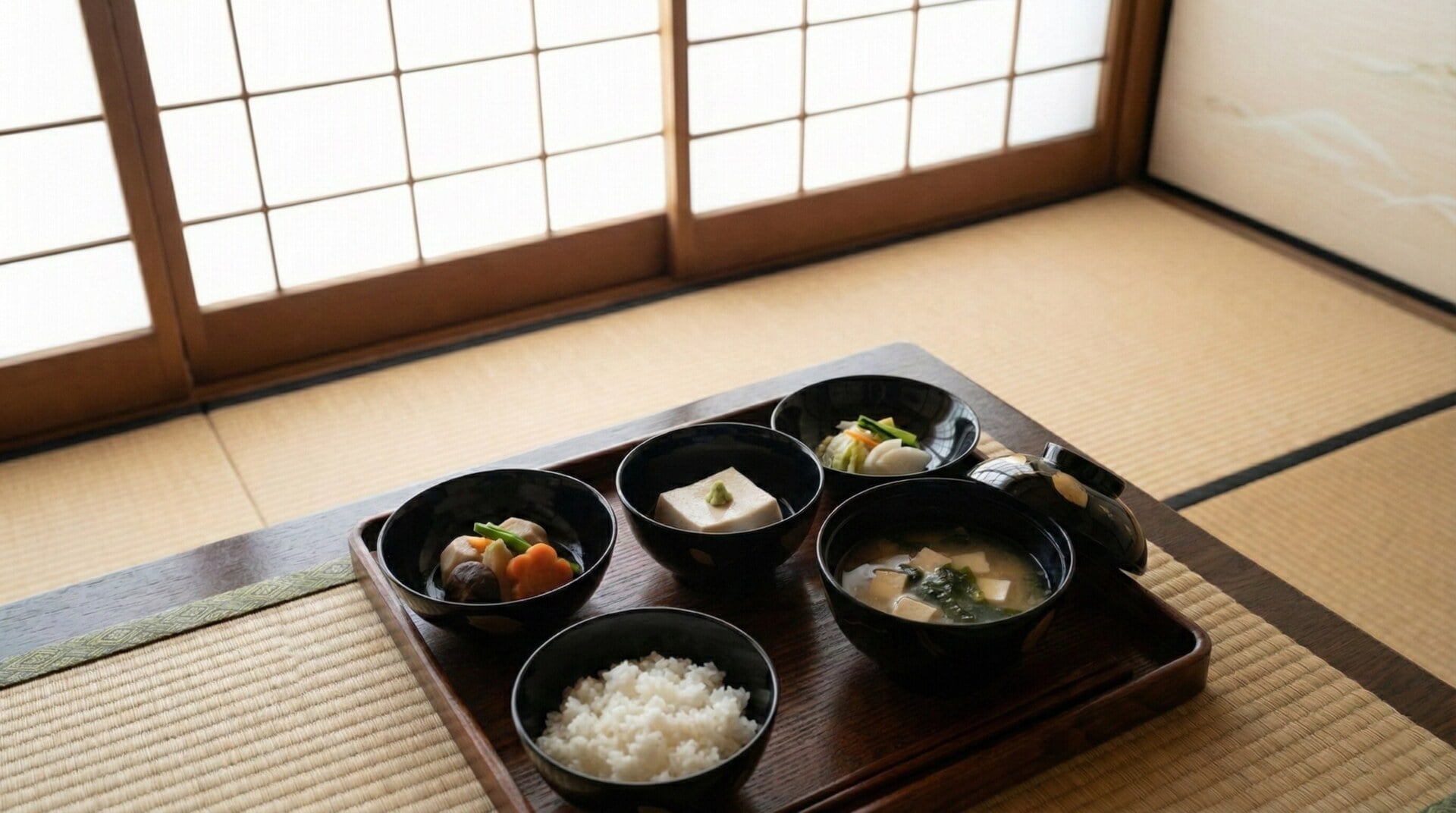
The Philosophy of Five
Shojin Ryori is based on the principle of balance. A meal should ideally include five colors (green, yellow, red, black, and white) and five flavors (sweet, sour, salty, bitter, and umami).
The ingredients are strictly seasonal and locally sourced. You might enjoy:
- Handmade tofu with freshly grated ginger.
- Tempura made from mountain vegetables.
- Miso soup flavored with deep, earthy dashi made from kombu (kelp).
Mindful Eating
Eating in a Zen temple is an extension of meditation. You are encouraged to appreciate the effort that went into growing and preparing the food. This mindful approach to dining turns a simple meal into a luxury experience that satisfies more than just hunger.
Why a Private Retreat Matters
You might wonder why a private retreat is superior to a standard temple visit. In Kyoto, popular temples can become crowded and noisy. This environment makes it difficult to achieve the deep state of relaxation that Zen promises.
Uninterrupted Peace
When you book through Japan Royal Service, we ensure that the space is reserved for you. There are no lines, no crowds, and no distractions. You have the luxury of time. You can spend an extra hour staring at the garden or asking the monk questions about Zen philosophy.
Tailored to Your Needs
Every traveler is different. Some seek spiritual enlightenment, while others simply need a digital detox. We customize the itinerary to match your pace. If you prefer more time for photography or a deeper focus on the history of the 13th-century architecture, we make it happen.
The Japan Royal Service Difference
At Japan Royal Service, we understand that luxury is not just about gold leaf and five-star hotels. True luxury is about access to rare experiences and the gift of time.
Seamless Logistics
A retreat in a historic sub-temple can be difficult to arrange. Many of these locations do not have English-speaking staff or online booking systems. Our team handles every detail, from private transportation in a luxury vehicle to providing a professional translator who understands the nuances of Zen terminology.
Expert Curation
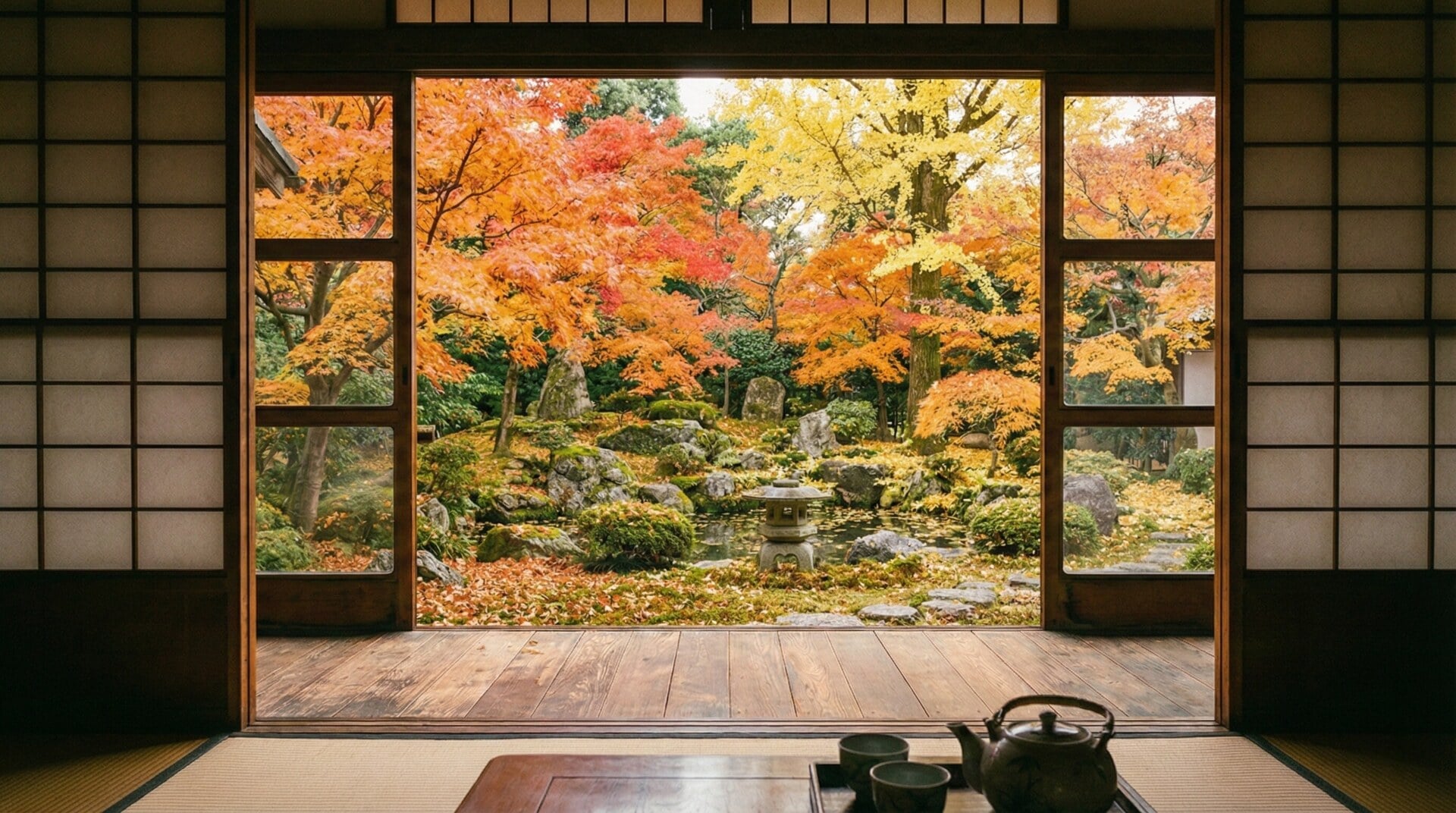
We don't just pick any temple. We select sub-temples that have a specific historical significance and an atmosphere of genuine tranquility. Our relationships with these temples allow us to offer experiences that are simply not available on the open market.
Practical Tips for Your Zen Retreat
To make the most of your private retreat, we recommend a few simple preparations:
- Dress Comfortably: Wear loose-fitting, modest clothing. You will be sitting on tatami mats, so comfort is key.
- Disconnect: We encourage you to leave your phone in your bag. The "Silence of Zen" is best experienced when you are not checking notifications.
- Be Curious: Don't be afraid to ask the monks questions. They often enjoy sharing the history and philosophy of their home.
- Embrace the Weather: Whether it is the gentle rain of June or the crisp air of January, the temple has a unique beauty in every season.
The Long-Term Benefits of a Zen Retreat
The impact of a private Zen retreat lasts long after you leave Kyoto. Our clients often report a renewed sense of clarity and a lower level of stress when they return to their daily lives.
You take the "silence" with you. You learn that even in the middle of a busy city or a high-pressure meeting, you can find a small "inner temple" of calm. This is the true value of a journey with Japan Royal Service. We don't just show you Japan; we help you find a better version of yourself within it.
A Journey Beyond the Ordinary
A private retreat in a 13th-century Kyoto sub-temple is more than a vacation. It is an investment in your well-being. By stepping away from the noise and into the silence, you reconnect with what truly matters.
From the historic architecture and the serene rock gardens to the profound experience of private Zazen and Shojin Ryori, every element is designed to foster peace. With Japan Royal Service, you gain exclusive access to these hidden sanctuaries, ensuring your journey is as seamless as it is transformative.
Kyoto's history is waiting to share its secrets with you. All you have to do is listen.
Ready to experience the silence?
Are you ready to transform your next trip to Japan into a journey of profound peace? Let Japan Royal Service curate your private Zen retreat in the heart of Kyoto.
Contact Us Today to begin planning your bespoke luxury itinerary. Explore our other [exclusive Kyoto experiences] and discover how we turn travel aspirations into reality.