Experiences
Things to See and Do in Japan: 2026 Luxury Guide
Discover the finest things to see and do in Japan in 2026. From ancient temples to modern marvels, plan your bespoke luxury journey today.
Japan represents a seamless fusion of ancient traditions and cutting-edge innovation, offering discerning travelers an extraordinary array of experiences that few destinations can match. From the cherry blossom-lined temples of Kyoto to the neon-drenched streets of Tokyo, the country delivers unparalleled cultural richness alongside natural beauty that changes dramatically with each season. Whether you seek spiritual enlightenment at mountain monasteries, culinary mastery through kaiseki dining, or exclusive access to private cultural events, understanding the breadth of things to see and do in Japan ensures your journey becomes transformative rather than merely memorable. This comprehensive guide reveals both iconic landmarks and hidden treasures that define luxury travel across this remarkable archipelago.
Imperial Tokyo: Where Tradition Meets Tomorrow
Tokyo stands as the pulsing heart of modern Japan while maintaining deep connections to its imperial past. The city’s 23 wards each offer distinct personalities, from the serene gardens of Chiyoda to the youth-driven energy of Shibuya.
Cultural Foundations and Royal Heritage
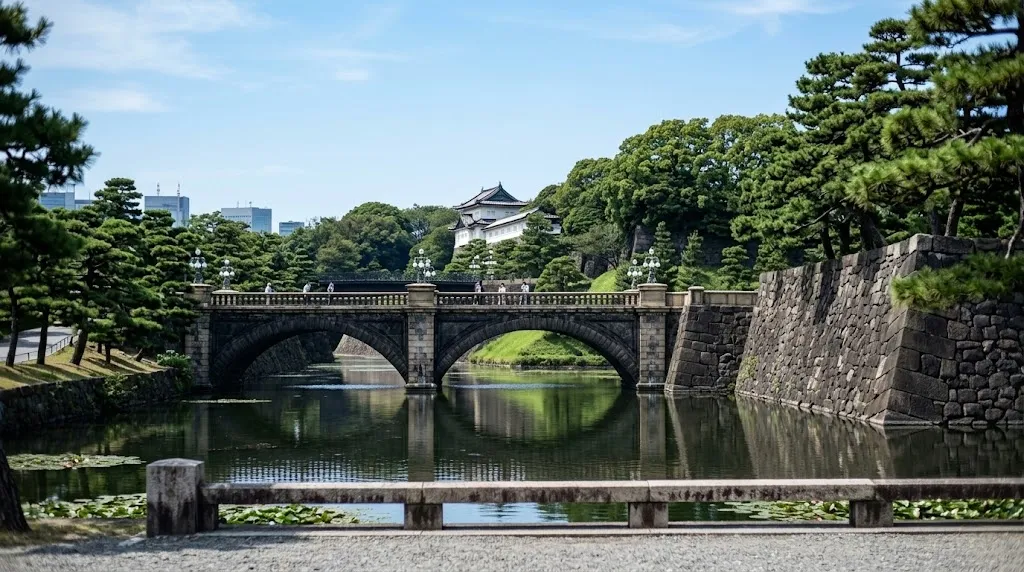
The Imperial Palace grounds provide an essential starting point for understanding Tokyo’s historical significance. These meticulously maintained gardens, once home to Edo Castle, are open to the public for limited tours that reveal architectural marvels spanning centuries. Reservation-only access ensures an intimate experience away from typical tourist crowds.
Adjacent neighborhoods showcase contrasting facets of metropolitan life:
- Asakusa: Ancient Sensoji Temple surrounded by traditional shopping streets
- Ginza: Luxury boutiques and Michelin-starred restaurants define this upscale district
- Harajuku: Cutting-edge fashion culture meets tranquil Meiji Shrine
- Roppongi: Contemporary art museums, including the acclaimed Mori Art Museum
The Japan National Tourism Organization’s official guide provides extensive details on Tokyo’s cultural institutions, though personalized access through established local connections elevates these experiences significantly.
Culinary Mastery in the Capital
Tokyo boasts more Michelin stars than any other city worldwide, with over 200 starred establishments ranging from intimate sushi counters to elaborate kaiseki restaurants. Securing reservations at establishments like Sukiyabashi Jiro or Kagurazaka Ishikawa requires planning, local connections, and often Japanese-speaking intermediaries.
| Experience Type | Premier Venues | Advance Booking Required | |---|---|---| | Sushi Omakase | Saito, Yoshitake, Sushi Saito | 1-3 months | | Kaiseki Dining | Kohaku, Kanda, Kikunoi | 2-4 months | | Tempura | Kondo, Mikawa, Tensuke | 1-2 months | | Wagyu Specialists | Sumibiyakiniku Nakahara, Yoroniku | 2-3 months |
Beyond starred restaurants, the Tsukiji Outer Market and depachika (department store basements) reveal everyday culinary excellence that defines Japanese food culture.
Ancient Kyoto: The Cultural Soul
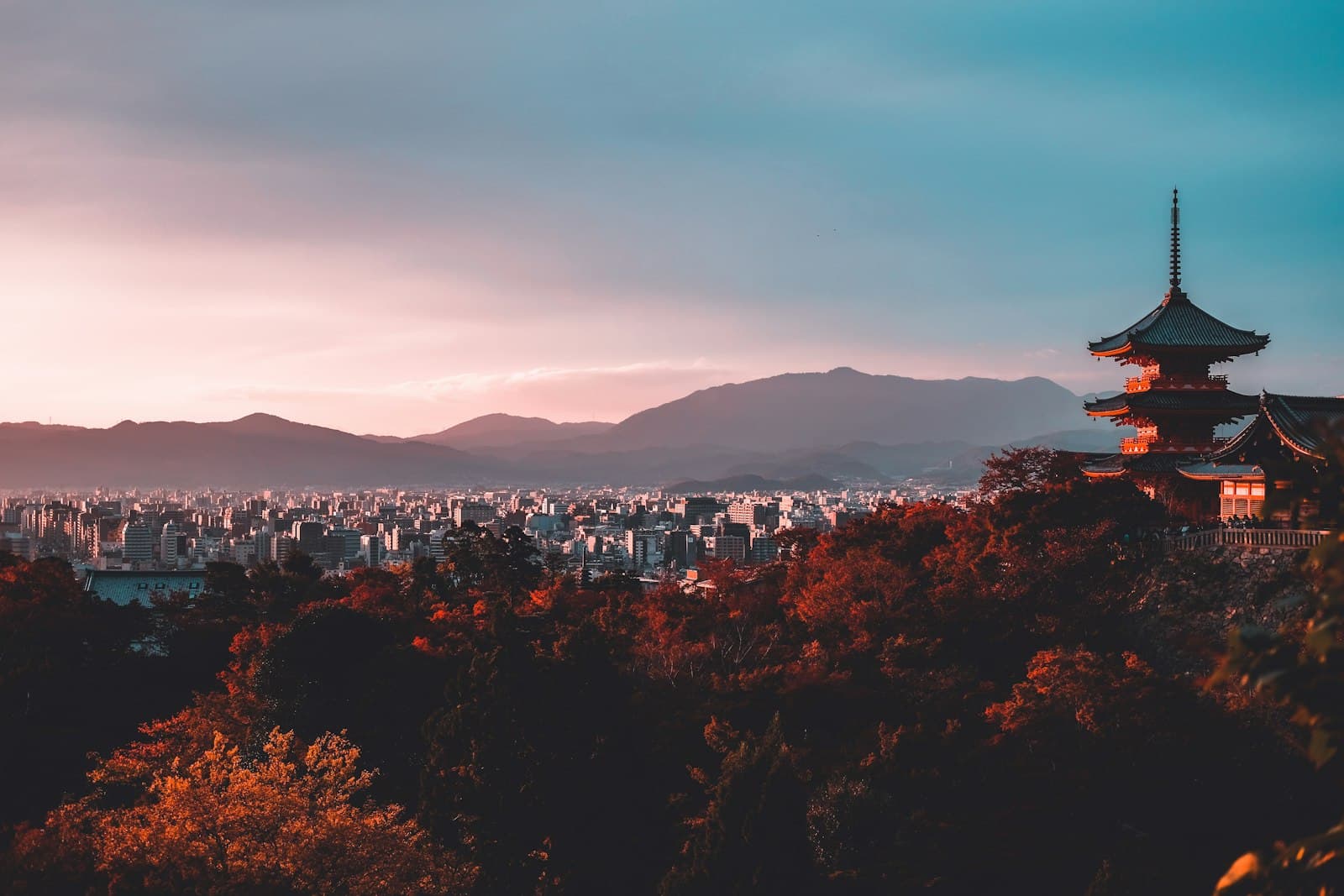
Kyoto served as Japan’s imperial capital for over 1,000 years, accumulating an unmatched concentration of temples, shrines, gardens, and traditional crafts. The city preserves 17 UNESCO World Heritage sites within its boundaries, though the most profound experiences often occur at lesser-known locations.
Temple Treasures and Garden Philosophy
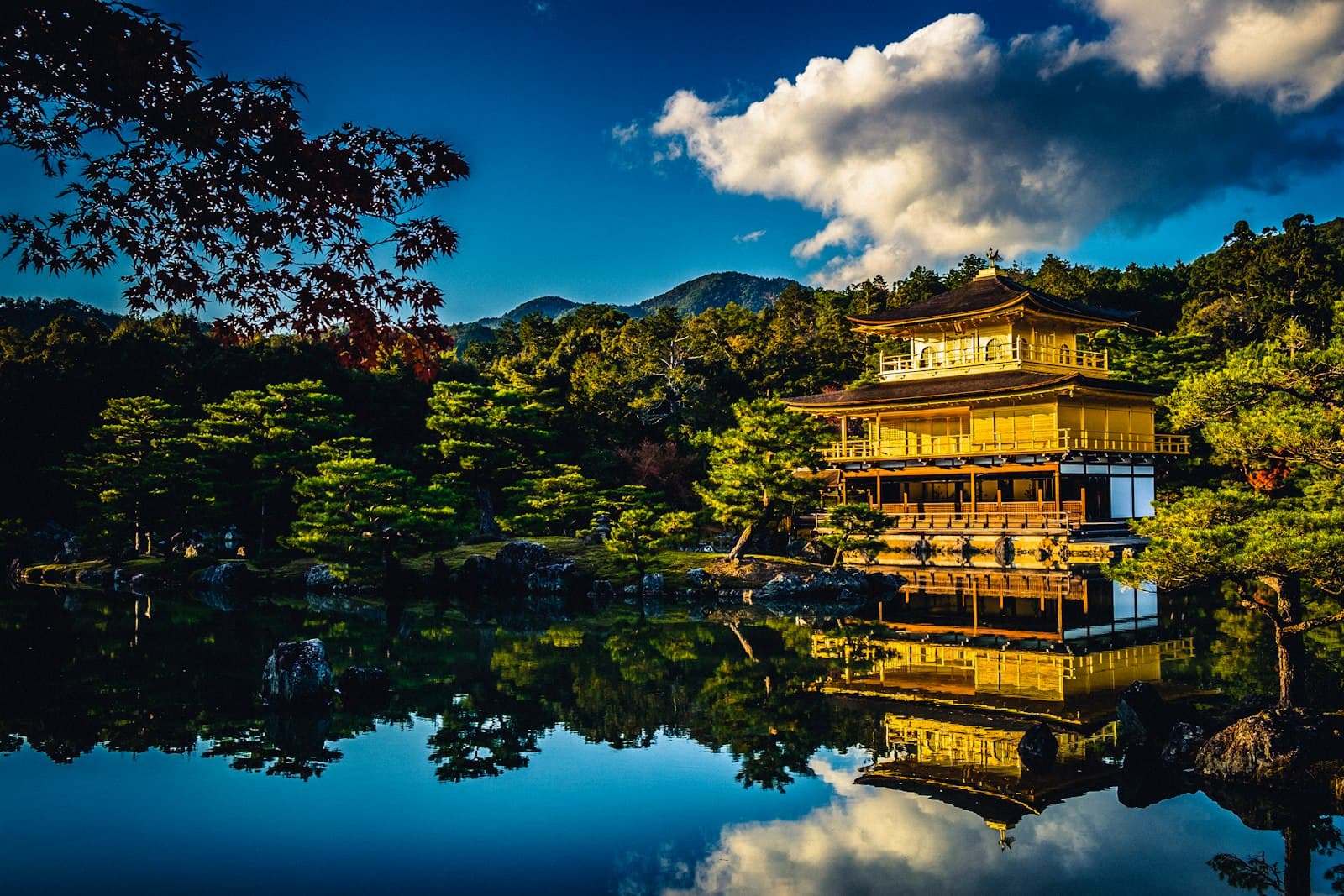
While Kinkaku-ji (Golden Pavilion) and Fushimi Inari’s thousands of torii gates attract substantial crowds, early-morning access or private viewing arrangements can make these iconic sites feel more intimate. Pre-opening visits allow photography without tourists and opportunities for meditation in spaces designed for contemplation.
Equally compelling alternatives include:
- Tofuku-ji Temple: Stunning garden compositions by Mirei Shigemori with minimal visitor traffic
- Daitoku-ji Complex: Multiple sub-temples featuring celebrated rock gardens and tea houses
- Saiho-ji (Kokedera): The legendary moss temple requiring reservation and participation in Buddhist services
- Nanzen-ji: Massive gates, aqueducts, and peaceful sub-temple gardens
The unique experiences available in Japan extend beyond simple sightseeing, incorporating hands-on cultural immersion that deepens understanding.
Traditional Arts and Craft Heritage
Kyoto remains the epicenter of traditional Japanese craftsmanship, from Nishijin silk weaving to Kiyomizu pottery. Exclusive workshop access allows interaction with master artisans who maintain techniques perfected across generations.
Tea ceremony experiences range from tourist-oriented demonstrations to authentic chakai hosted by tea masters in historic machiya townhouses. The latter provides genuine cultural exchange, explaining the philosophy underlying each precise movement while serving tea and seasonal sweets in intimate settings.
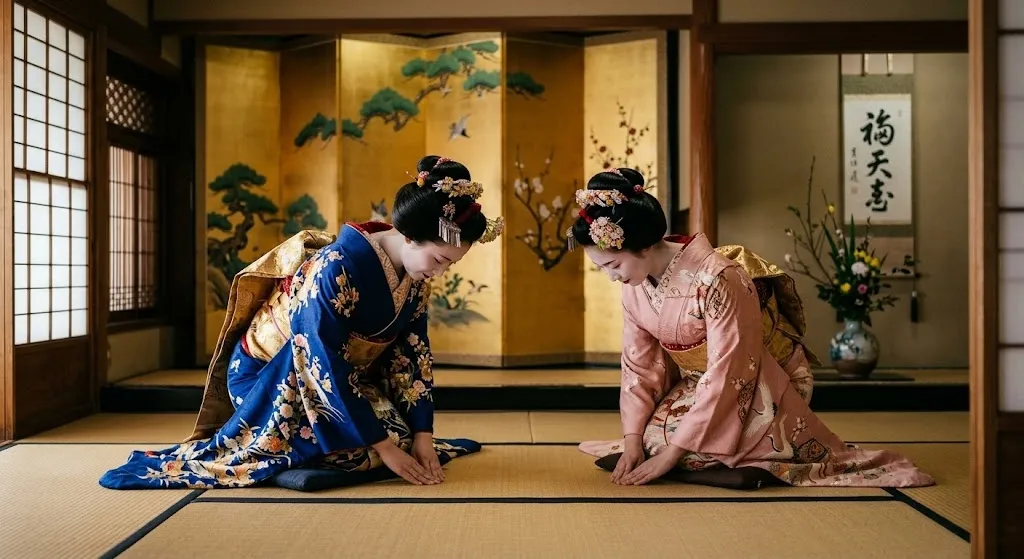
Gion and Pontocho districts preserve geisha culture, though authentic encounters require proper introductions through established relationships. Evening entertainment at exclusive ochaya (teahouses) represents Japan’s living cultural heritage, featuring traditional dance, music, and refined conversation.
Natural Wonders Beyond the Cities
Japan’s dramatic topography creates breathtaking natural landscapes that shift dramatically across seasons. From snow-covered mountains to subtropical islands, the country’s geographical diversity rivals much larger nations.
Mount Fuji and the Five Lakes Region
Mount Fuji’s iconic symmetrical cone dominates the landscape southwest of Tokyo and is visible on clear days from the capital itself. The top attractions in Japan consistently feature this sacred peak, though many travelers miss the surrounding region’s exceptional beauty.
The Fuji Five Lakes area provides spectacular mountain views alongside refined resort amenities:
- Lake Kawaguchi offers premium onsen resorts with Fuji-viewing outdoor baths
- Hakone’s volcanic valley features art museums, ropeway rides, and historic hot springs
- The Chureito Pagoda frames Fuji perfectly during cherry blossom season
- Autumn foliage transforms the region into a tapestry of crimson and gold
Climbing season runs from early July through early September, when mountain huts and trails open to accommodate overnight ascents that reveal unforgettable sunrise vistas from Japan’s highest point.
The Japanese Alps and Onsen Culture
Central Honshu’s mountain ranges create landscapes often compared to Switzerland, with preserved post towns and traditional hot spring resorts dotting alpine valleys. The historic villages of Takayama and Shirakawa-go transport visitors to feudal Japan, featuring gassho-zukuri farmhouses with distinctive thatched roofs designed to withstand heavy snowfall.
Premium onsen ryokan in locations like Gero, Kusatsu, and Yudanaka offer sophisticated interpretations of traditional hospitality. These establishments feature:
| Element | Traditional Approach | Luxury Enhancement | |---|---|---| | Guest Rooms | Tatami mats, futon bedding | Private open-air baths, designer furniture | | Dining | Multi-course kaiseki | Seasonal ingredients, personalized menus | | Bathing | Communal indoor/outdoor baths | Private reserved baths, premium amenities | | Service | Attentive hospitality | Multilingual staff, concierge services |
Winter transforms these regions into world-class ski destinations, with Niseko, Hakuba, and Nozawa Onsen delivering powder snow and après-ski sophistication.
Osaka and Western Japan Delights
Osaka’s reputation as “Japan’s kitchen” stems from centuries as a merchant city where food culture flourished. The Kansai region surrounding Osaka encompasses Kobe, Nara, and numerous historic sites within easy day-trip distance.
Culinary Capital and Urban Energy
Osaka’s dining scene emphasizes casual excellence over formal refinement, though the city maintains numerous Michelin-starred establishments. Street food culture thrives in Dotonbori and Shinsekai districts, where takoyaki (octopus balls) and okonomiyaki (savory pancakes) vendors perfect recipes passed through generations.
Kuromon Ichiba Market serves as Osaka’s culinary showcase, featuring seafood, produce, and prepared foods that reveal the ingredients that underpin Japanese cuisine. Interactive cooking classes taught by local chefs provide hands-on understanding of regional specialties.
Historic Nara and Sacred Deer
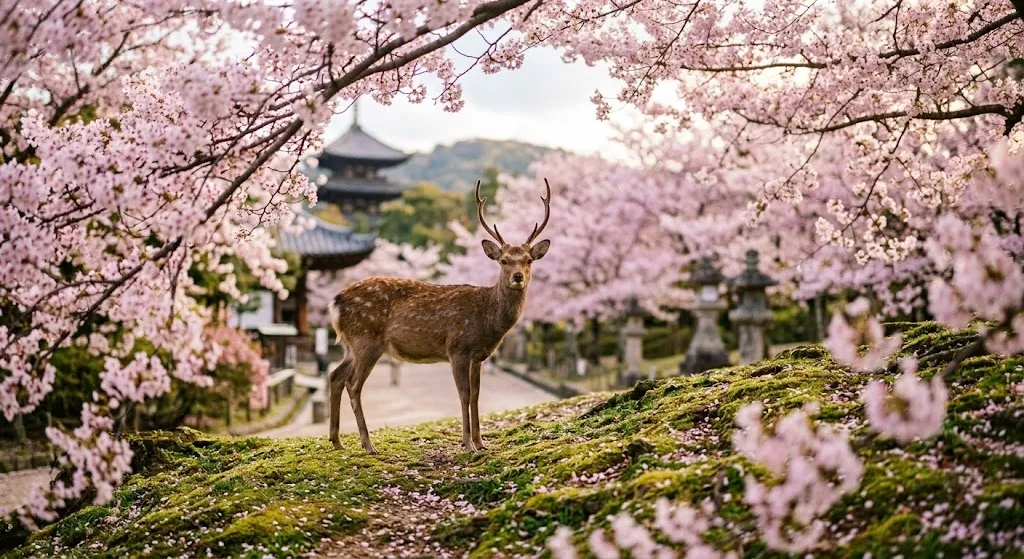
Nara served briefly as Japan’s capital in the 8th century, leaving behind massive temple complexes and the world’s largest bronze Buddha statue. Over 1,000 semi-wild deer roam Nara Park, considered sacred messengers of the Shinto gods.
Todai-ji Temple’s enormous wooden structure houses the Great Buddha, while nearby Kasuga Taisha features thousands of stone and bronze lanterns lining forested pathways. Spring and autumn light-up events create magical atmospheres as lanterns illuminate evening paths.
Seasonal Spectacles and Natural Phenomena
Japan’s distinct seasons create ever-changing landscapes that define optimal timing for various experiences. Understanding seasonal variations ensures alignment between travel dates and desired activities.
Cherry Blossom Season (Late March – Early May)
Sakura viewing represents Japan’s most celebrated seasonal tradition, with forecasts tracking the blossom front as it moves northward from Kyushu to Hokkaido. Peak bloom lasts only one week at each location, requiring precise timing for optimal viewing.
Premier viewing locations include:
- Kyoto’s Philosopher’s Path: Canal-side cherry trees create pink tunnels
- Tokyo’s Chidorigafuchi: Illuminated evening boat rides beneath blossoms
- Yoshino Mountain: Over 30,000 cherry trees blanket the mountain slopes
- Hirosaki Castle: Moat reflections double the visual impact
Private hanami parties arranged in restricted park areas or temple grounds provide exclusive settings for traditional picnics beneath blooming branches.
Autumn Foliage (October – December)
Koyo (autumn color) rivals cherry blossoms for visual drama, with maple leaves turning brilliant crimson against evergreen forests. Mountain regions change first, with color descending to lowland cities through November and early December.
The unique experiences throughout Japan vary significantly by season, with autumn offering temple special openings, illumination events, and harvest festivals celebrating regional agriculture.
Island Paradises and Coastal Treasures
Beyond the main islands, Japan’s archipelago extends from subtropical Okinawa to northern Hokkaido, each region offering distinct cultural influences and natural environments.
Okinawa’s Tropical Heritage
Okinawa’s Ryukyu Kingdom maintained its independence until the 17th century, developing cultural traditions distinct from those of mainland Japan. Turquoise waters, coral reefs, and white-sand beaches contrast sharply with typical Japanese landscapes.
Luxury resorts on islands like Ishigaki and Miyako rival any tropical destination, while historic sites in Naha reveal the kingdom’s unique architectural and cultural legacy. Okinawan cuisine emphasizes longevity-promoting ingredients such as bitter melon and purple sweet potatoes, complemented by the local spirit awamori.
Hokkaido’s Wilderness and Gastronomy
Japan’s northernmost main island delivers European-scale landscapes, from Daisetsuzan National Park’s volcanic peaks to eastern wetlands where endangered cranes perform elaborate courtship dances. Hokkaido’s relatively recent development preserved natural environments that disappeared elsewhere in Japan.
Summer lavender fields in Furano create purple horizons, while winter transforms the island into a snow sports paradise. Sapporo’s dining scene showcases exceptional seafood, dairy products, and the island’s famous soup curry and miso ramen.
Spiritual Journeys and Mountain Retreats
Things to see and do in Japan extend beyond material attractions to encompass spiritual practices that have shaped national consciousness for millennia. Sacred mountains, pilgrimage routes, and meditation retreats offer profound experiences for those seeking deeper understanding.
Kumano Kodo Pilgrimage Trails
The ancient Kumano Kodo network connects sacred sites across the Kii Peninsula and is recognized as one of only two UNESCO World Heritage pilgrimage routes globally. Multi-day walks through mountain forests and rural villages provide meditative experiences far from urban intensity.
Premium accommodations along the route now include renovated minshuku (guesthouses) offering private rooms and sophisticated cuisine while maintaining authentic atmospheres. Guided walks with cultural historians reveal the routes’ historical and spiritual significance.
Mount Koya’s Monastic Community
Koyasan, established in 816 CE, remains an active center of Shingon Buddhism with over 100 temples nestled in mountain forests. Overnight stays in shukubo (temple lodgings) include vegetarian shojin ryori meals and morning meditation services.
The unique cultural activities available across Japan provide authentic engagement with living traditions rather than staged demonstrations.
Contemporary Cultural Expressions
Modern Japan influences global culture through anime, manga, gaming, and innovative design. Understanding contemporary creativity alongside traditional arts reveals the nation’s full cultural spectrum.
Tokyo’s Modern Art and Design Scene
The Mori Art Museum, 21_21 Design Sight, and teamLab Borderless represent cutting-edge approaches to art, technology, and immersive experiences. TeamLab installations blend digital projection, mirrors, and interactive elements to create ever-changing environments that respond to visitor movement.
Architecture enthusiasts find masterpieces throughout Tokyo, from Tadao Ando’s concrete geometries to Kengo Kuma’s organic timber structures. Private architectural tours led by design professionals provide context and access to significant buildings.
Pop Culture Immersion
Akihabara’s electronics district transformed into the epicenter of otaku culture, with multi-story shops dedicated to anime, manga, and gaming. Themed cafes, from maid cafes to character-themed establishments, create fantastical environments that blur the line between reality and fiction.
Studio Ghibli Museum in Mitaka requires reservations but rewards visitors with insights into the animation process behind beloved films. Similarly, the Toei Kyoto Studio Park recreates Edo-period settings where samurai dramas are still filmed.
Regional Festivals and Cultural Events
Japan’s festival calendar features thousands of matsuri, ranging from intimate neighborhood celebrations to massive spectacles that draw millions of participants. Many festivals maintain traditions unchanged for centuries, offering windows into historical community life.
Premier Annual Festivals
Securing positions at major festivals requires significant planning, with premium viewing areas often requiring local connections or specialized arrangements.
- Gion Matsuri (Kyoto, July): Month-long celebration culminating in massive float processions
- Awa Odori (Tokushima, August): Synchronized dance performances involving thousands
- Nebuta Matsuri (Aomori, August): Illuminated warrior floats parade through northern streets
- Takayama Matsuri (Spring and Autumn): Elaborate mechanical floats showcase centuries-old craftsmanship
Private festival experiences might include reserved seating in traditional buildings overlooking parade routes, backstage access to float preparation areas, or participation in select ceremonies typically restricted to community members.
Culinary Deep Dives and Food Tourism
Japanese cuisine extends far beyond sushi and ramen, encompassing regional specialties, seasonal variations, and philosophical approaches to ingredients and presentation. Serious food tourism in Japan rewards those who venture beyond obvious choices.
Regional Specialty Exploration
Each prefecture claims signature dishes developed from local ingredients and historical circumstances:
| Region | Signature Cuisine | Key Characteristics | |---|---|---| | Hokkaido | Seafood, dairy, soup, curry | Fresh ingredients, hearty portions | | Osaka | Okonomiyaki, takoyaki | Casual, flavorful, social dining | | Hiroshima | Oysters, okonomiyaki | Layered preparation techniques | | Fukuoka | Tonkotsu ramen, mentaiko | Rich, bold flavors | | Okinawa | Goya champuru, rafute | Health-focused, unique ingredients |
Food-focused itineraries might include market tours with chefs, hands-on cooking classes, visits to sake breweries, or multi-day culinary trails that connect regional producers and restaurants.
Sake and Japanese Spirits
Japan’s sake-brewing regions produce a remarkable variety, from crisp Niigata styles to rich Kyoto profiles. Brewery tours in traditional kura reveal production methods refined over centuries, with tastings led by toji (master brewers) who explain the nuances between grades and styles.
Premium whisky distilleries like Yamazaki and Hakushu now rival Scottish single malts, though tour access remains extremely limited. Craft beer culture has exploded across Japan, with innovative breweries in Tokyo, Kyoto, and regional cities experimenting with local ingredients and brewing techniques.
Things to See and Do in Japan: Practical Luxury Considerations
Maximizing experiences while maintaining comfort and efficiency requires understanding Japan’s infrastructure, seasonal patterns, and cultural expectations. Strategic planning transforms good trips into extraordinary journeys.
Transportation Excellence
Japan’s rail network sets global standards for punctuality, comfort, and coverage. The Shinkansen bullet train network connects major cities at speeds exceeding 300 kilometers per hour, though JR Pass restrictions on Nozomi trains affect some routes.
Private car services provide flexibility impossible via public transportation, particularly when visiting rural areas, carrying luggage between accommodations, or maintaining tight schedules. Luxury vehicles with English-speaking drivers eliminate navigation stress while ensuring comfort.
Seasonal Timing Strategies
Things to see and do in Japan vary dramatically by season, with optimal timing depending on priorities:
- Spring (March-May): Cherry blossoms, mild weather, festival season
- Summer (June-August): Humid conditions, mountain escapes, fireworks festivals
- Autumn (September-November): Foliage, comfortable temperatures, harvest celebrations
- Winter (December-February): Snow sports, onsen season, winter illuminations
Shoulder seasons in May-June and September-October typically offer better weather than peak summer while avoiding extreme crowds and premium pricing.
Japan’s extraordinary diversity ensures there is far more to see and do than in a single journey, with each visit revealing new layers of culture, nature, and refined experiences. Whether your interests lean toward ancient temples, cutting-edge cuisine, natural wonders, or contemporary arts, the country delivers unmatched depth across every category. Japan Royal Service specializes in crafting bespoke itineraries that match your specific interests, offering exclusive access, luxury transportation, and insider knowledge that transform standard tourism into a transformative cultural immersion. Our dedicated team handles every detail, ensuring your Japanese journey exceeds expectations while revealing both iconic landmarks and hidden treasures across this remarkable nation.
Ready to Design Your Bespoke Japanese Masterpiece?
Your transformative journey through Japan’s ancient traditions and cutting-edge innovations awaits. Let Japan Royal Service unlock exclusive access, private cultural encounters, and unparalleled luxury tailored precisely to your desires.
Don't just visit Japan in 2026—experience it at its absolute pinnacle.