Stays
Why Hoshinoya Nara Prison is 2026's Best Stay
A 2026-updated, crowd-aware Nara guide: UNESCO heritage, responsible deer etiquette, Setsubun lanterns, winter On-Matsuri, and the June 25 opening of HOSHINOYA Nara Prison.
Why Nara finally deserves an overnight (not a Kyoto day trip)
Nara is often treated as a quick detour: deer, Great Buddha, back to Kyoto before dinner. In our experience, that rhythm misses the point. Nara rewards pacing.
Historically, it was Japan’s capital from 710 to 784, a critical period preserved within the UNESCO World Heritage property “Historic Monuments of Ancient Nara”. When we design Nara properly, the city becomes quiet, spacious, and unexpectedly intimate—especially early in the morning and after the day-trip wave has faded.
2026 adds a timely reason to stay the night. HOSHINOYA Nara Prison—a luxury hotel announced to open on June 25, 2026—will repurpose the former Nara Prison, described in the announcement as a nationally important cultural property. JNTO has also spotlighted this reopening internationally. Demand will rise. So will expectations.
Our team at Japan Royal Service builds Nara itineraries around three Japanese pillars that affluent travelers actually feel: omotenashi (quiet, anticipatory care), shun (seasonal right-place-right-time decisions), and wabi-sabi (restraint, patina, and calm). Add discretion, always. That is the real luxury here.
A practical 2026 framework: how many hours to give Nara?
Option A: 2 hours (the “we only have a window” plan)
If you truly only have two hours, we keep it disciplined. One neighborhood. Minimal backtracking. This is not a day for museum depth.
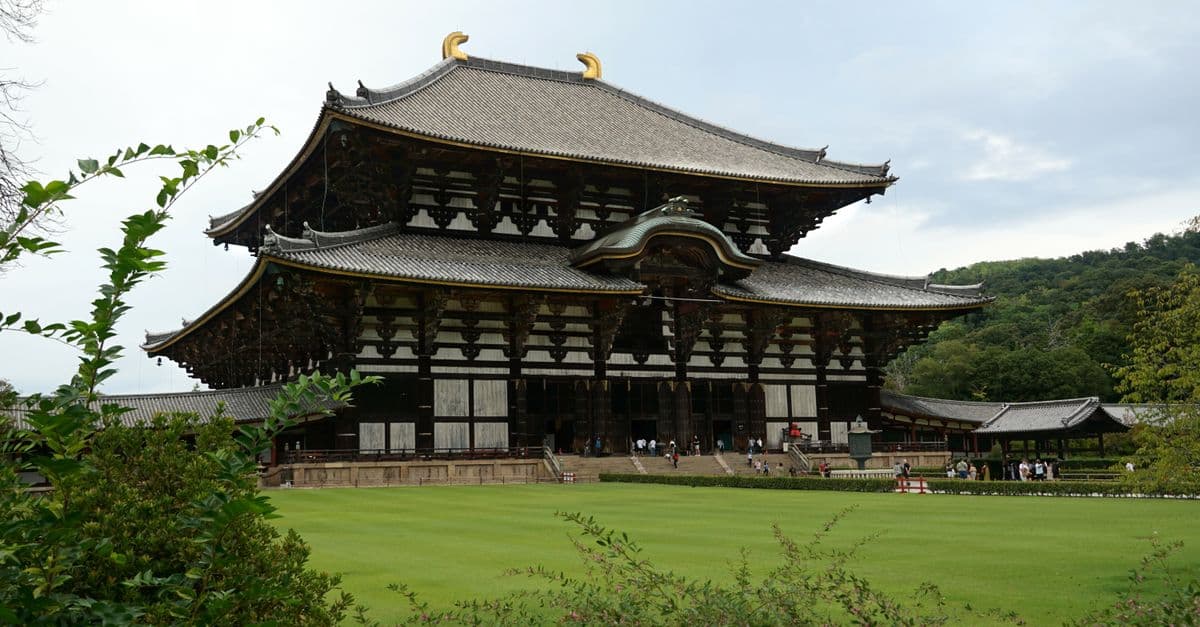
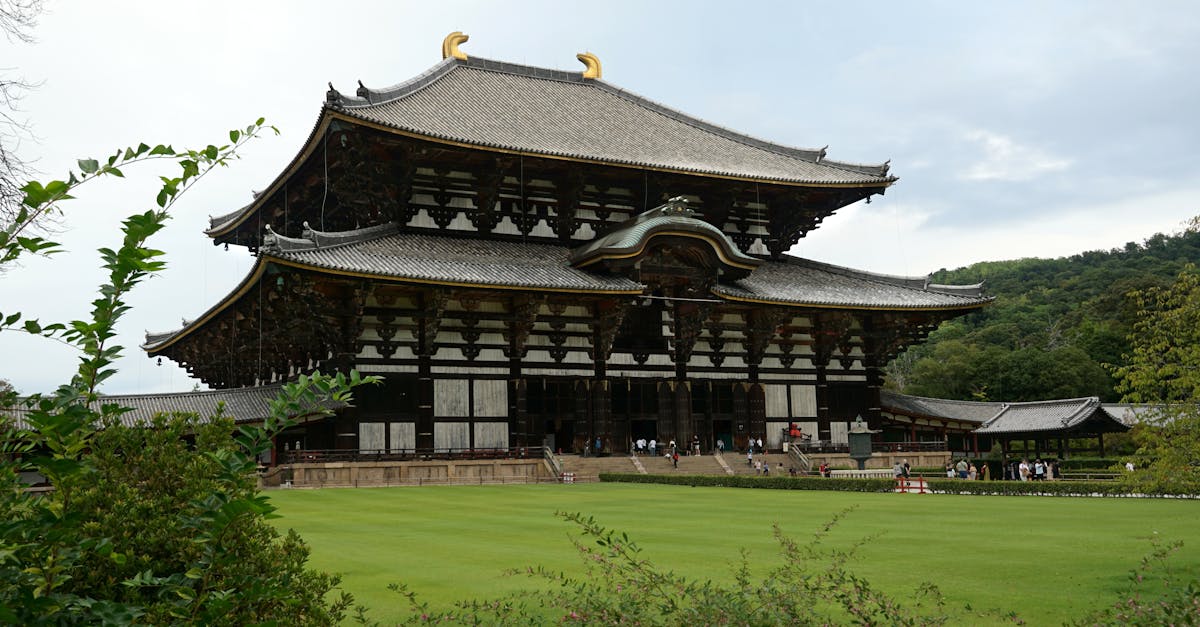
- Tōdai-ji (focus on the Daibutsuden, the Great Buddha Hall)
- A short walk through the core paths of Nara Park for a single deer interaction moment
The Official Nara Travel Guide describes Tōdai-ji’s Daibutsuden as one of the world’s largest wooden structures, and it sits in a high-density cluster with major highlights nearby, such as Isuien Garden, Kōfuku-ji, and the Nara National Museum. In two hours, we choose one adjacent stop at most. Otherwise, you’ll spend the whole time walking with a sense of hurry.
Option B: Half day (4–5 hours) with “crowd-aware” sequencing
Half a day is when Nara starts to feel refined. Our concierge typically times this to avoid peak congestion around mid-day.
- Arrive early (or later afternoon) to reduce pressure around Nara Park’s central paths.
- Tōdai-ji first, before group tours fully stack up
- A calmer garden interlude near the center (often Isuien Garden)
- Finish with a measured walk past Kōfuku-ji and toward the museum zone if time permits
This is where wabi-sabi begins to register. Moss darkens. Wood grain softens. The city stops performing and returns to itself.
Option C: One night (our recommended HNW choice)
One night changes everything. You get two precious windows most visitors never touch: early morning and evening. That’s when Nara becomes what repeat Japan travelers quietly crave—space, silence, and unforced beauty.
And in 2026, the narrative lodging anchor is clear: the announced opening of HOSHINOYA Nara Prison on June 25, 2026. Our founder, Yasu Chuck, has long believed that the most memorable Japan stays are those that carry a story you can feel in the materials. Adaptive reuse, done properly, can deliver exactly that.
Getting to Nara smoothly: Kyoto-to-Nara timing that actually works
Many of our guests prefer to base in Kyoto and move to Nara with a private driver for door-to-door ease. But when rail fits your schedule, it’s straightforward.
Japan-guide notes that JR “Miyakoji rapid” trains operate every 30 minutes between Kyoto Station and JR Nara Station, which is why Nara is so often reduced to a day trip. Frequency is not the same as the quality of experience, though. The right arrival time matters more than the route.
For HNW travelers, we typically propose one of two patterns:
- Arrive early and finish key sites before the midday surge
- Arrive later and let day-trippers clear out before your quieter walk and dinner
Our concierge team can coordinate a plan that uses rail when it’s efficient, and private transport when it protects your time and energy. The goal is not extravagance. It’s rhythm.
Nara Park deer: responsible etiquette (and why it matters)
Nara’s deer are iconic, but we insist on a responsible approach. This is part of omotenashi, too—care for the place, not just the guest.
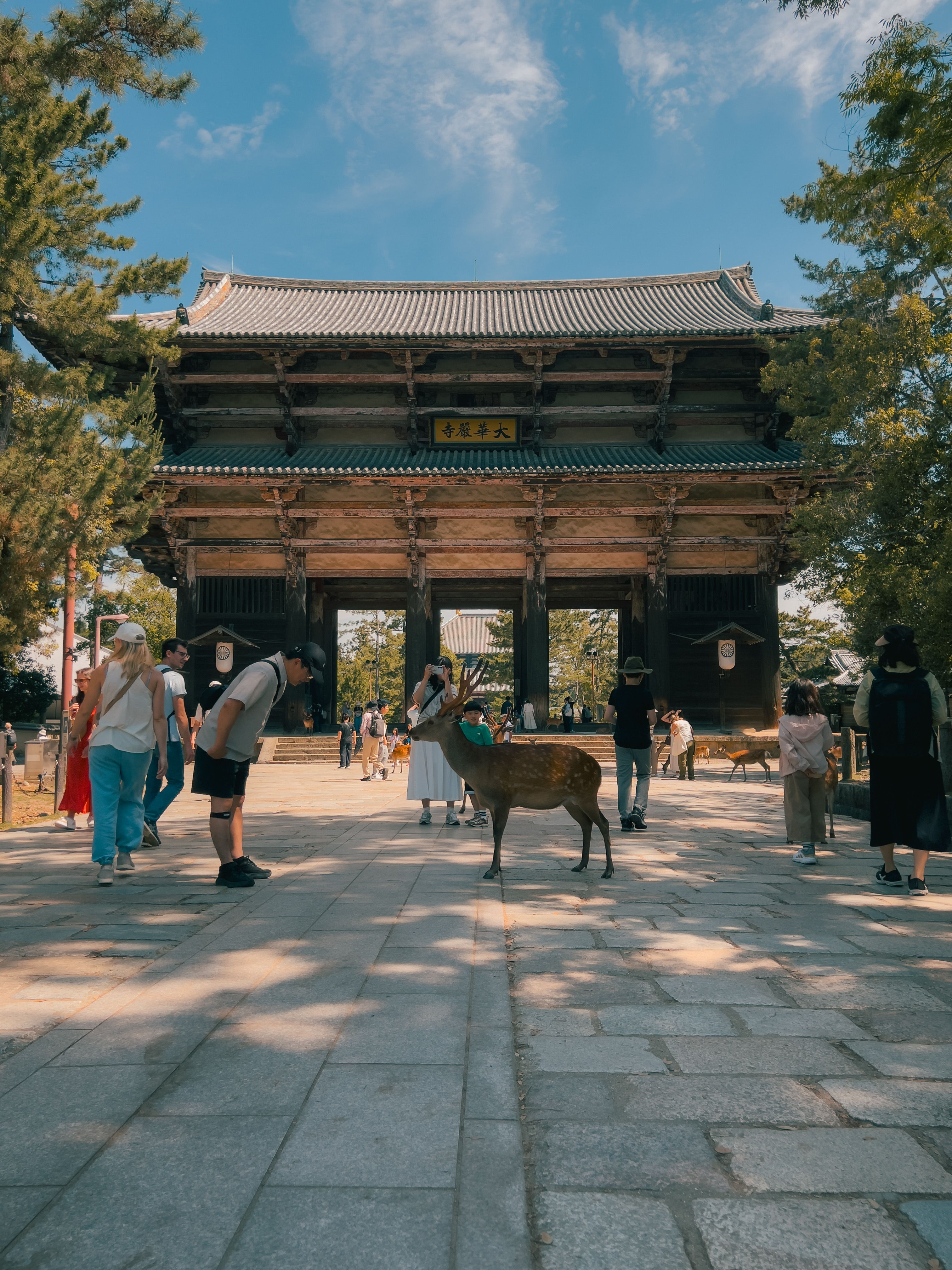
Verified guidance is clear: Nara Park’s deer are wild. The only food visitors are allowed to give them is deer senbei crackers sold in the park. The deer are also known for “bowing” to receive shika senbei.
We brief our guests in advance, especially families and first-time Japan visitors. A few practical rules keep the experience elegant and safe:
- Bring nothing edible in easy reach; deer will investigate bags
- Only offer deer senbei, and do it calmly
- If a deer becomes pushy, show empty hands and step away without sudden movements
This is not about fear. It’s about respect. A refined Nara experience should never feel chaotic.
The UNESCO lens: seeing Nara as a former capital (710–784)
When we guide guests through Nara, we frame it as more than a checklist of photogenic stops. UNESCO states that the “Historic Monuments of Ancient Nara” illustrate a critical period when Nara functioned as Japan’s capital from 710 to 784. That political and cultural role is why the architecture and sacred landscapes feel so foundational.
For sophisticated travelers who have already done Kyoto’s classics, this is the pleasure: Nara feels like an origin point. Less theatrical. More essential.
Festival-first Nara: three 2026 anchors worth planning around
If you want Nara at its most atmospheric, we recommend building your trip around shun—not just weather, but cultural seasonality. Here are three verified anchors for 2026 planning.
February 3: Setsubun Mantoro (Kasuga Taisha)
Setsubun Mantoro is held each year on February 3 at Kasuga Taisha Shrine, where over 3,000 stone and hanging lanterns are lit. The feeling is ceremonial and hushed, not flashy. Light pools on stone. Footsteps soften.
For HNW guests, we plan logistics carefully: private transfers, conservative timing, and a route that keeps you moving smoothly rather than bottlenecked at peak points. We also advise on photography etiquette in sacred environments. Discretion first.
February 23, 2026: Kehaya Festival (Katsuragi City)
Kehaya Festival will be held on February 23, 20,26 at the Katsuragi City Sumo Museum “Kehayaza” in Katsuragi City, Nara, according to the event announcement. This is an excellent choice for guests who want living culture beyond the Nara Park circuit.
We often pair it with a specialist guide who can interpret sumo’s ritual context and local significance without turning it into a lecture. The best interpretation is quiet, timely, and human.
December 15–18, 2026: Kasuga Wakamiya On-Matsuri
Kasuga Wakamiya On-Matsuri is listed as taking place from December 15 to December 18, 2,026 at Kasuga Taisha Shrine and Wakamiya Shrine in Nara. Winter is an underrated season for Nara: crisp air, earlier evenings, fewer casual crowds, and a depth of atmosphere that rewards patience.
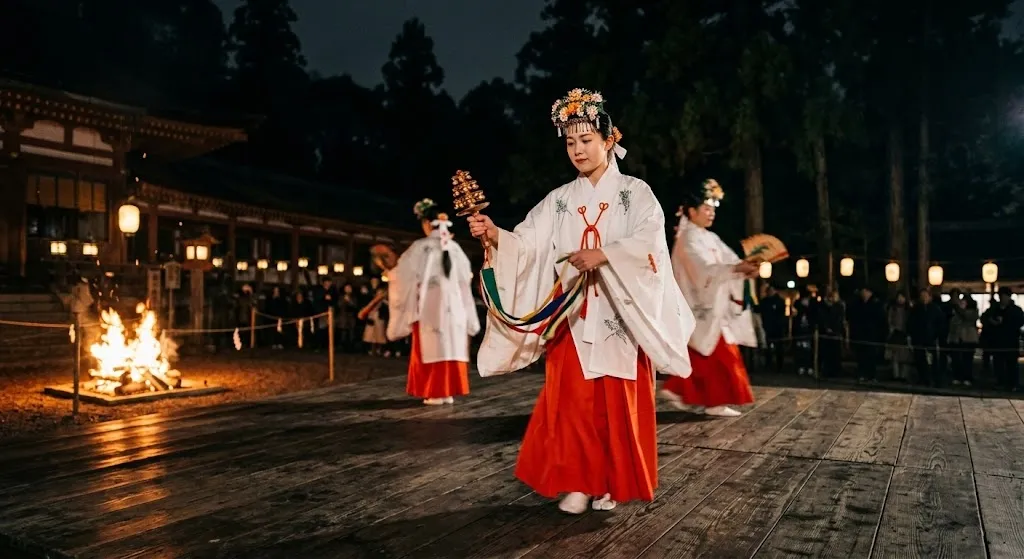
If you want a Japan itinerary that feels private without being remote, this is one of our favorite ways to do it.
Designing a “crowd-aware” day in central Nara
Overtourism discussions are not abstract here. The Nara Park–Tōdai-ji axis can get crowded fast. Our approach is to build buffers into the day—short pauses that prevent fatigue and protect your attention.
A typical crowd-aware structure (adjusted for your interests and mobility) looks like this:
- Start with Tōdai-ji before peak foot traffic
- Shift to a garden interlude for wabi-sabi calm (often Isuien Garden)
- Choose one additional highlight nearby (Kōfuku-ji or the Nara National Museum)
- End with a controlled deer moment in Nara Park rather than letting it dominate the day
Short walks. Long looks. A real lunch. This is how Nara becomes memorable for the right reasons.
Where 2026 changes the conversation: HOSHINOYA Nara Prison
Nara has long lacked a single headline luxury stay that convinces travelers to overnight. That is changing.
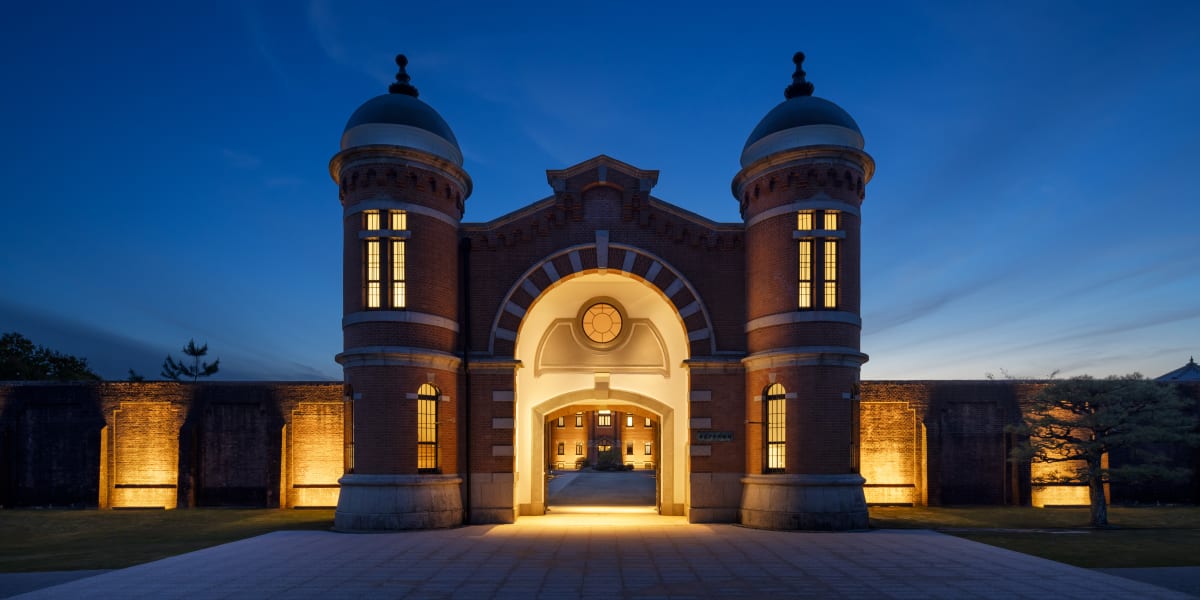
HOSHINOYA Nara Prison is announced to open on June 25, 2026, repurposing the former Nara Prison. JNTO has also reported, “Historic Nara Prison to be reborn as luxury hotel HOSHINOYA Nara Prison,” highlighting the same timing in a May 2026 newsletter.
We will not speculate beyond what has been announced. We also won’t oversell it. But we will say this: heritage-adaptive reuse aligns naturally with what discerning guests increasingly ask us for—places with cultural weight, designed with restraint, and experienced with discretion.
If you are considering travel in late June through autumn 2026, we recommend planning early. Not because it is fashionable. Because opening-season inventory in Japan’s top properties tends to be tight, the best itineraries require thoughtful sequencing across Kyoto, Nara, and Osaka.
For active travelers: Nara Marathon 2026, done with concierge-level ease
Nara Marathon 2026 is an official event with English-language guidelines published on its website, and it is co-organized by Nara Prefecture, Nara City, Tenri City, and the Nara Newspaper. For HNW guests, the race itself is only half the story.
What matters is everything around it: calm transfers, pre-race nutrition preferences, post-race recovery, and a quiet extension afterward so the trip doesn’t feel like a single exhausting weekend. Our concierge can handle the logistics and keep your travel experience composed.
What “quiet luxury” in Nara actually looks like
Quiet luxury is not a slogan in Nara. It is behavior.
- Omotenashi: a guide who adjusts pace without announcing it, a driver who is already positioned where you’ll exit, a warm towel at exactly the right moment
- Shun: choosing February lantern-lit shrine nights, or December festival culture, rather than fighting peak spring congestion.
- Wabi-sabi: letting weathered wood, stone lanterns, and garden silence be the highlight
- Shokunin: time with specialists—craft and culture interpreted with depth, never performance
- Discretion: an itinerary that doesn’t broadcast itself, and a team that treats your identity and schedule as confidential by default
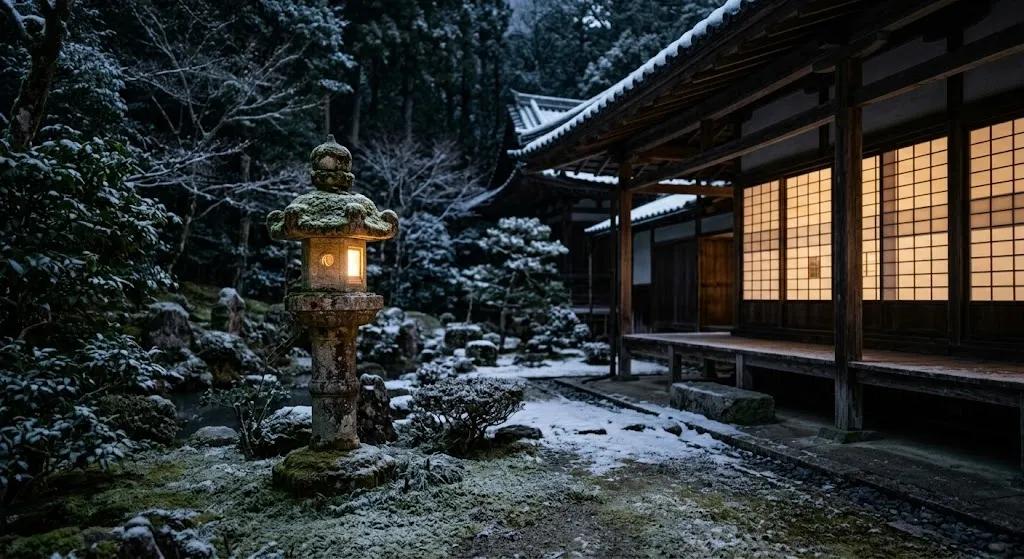
This is the Japan that Google cannot quite package. It requires on-the-ground judgment.
Nara is better when it’s unhurried
Nara is not just “the deer place.” It is a former capital with UNESCO-recognized significance, a landscape of sacred architecture and quiet gardens, and in 2026, a destination newly equipped to hold your attention overnight.
If you tell us your travel month, party size, and your preferred pace—museum-focused, festival-led, family-friendly, or wellness-leaning—our team at Japan Royal Service will design a crowd-aware Nara plan with the right transport, the right timing, and the kind of omotenashi that feels effortless.
For a discreet concierge consultation, contact us directly. We’ll propose a tailored Nara module that fits smoothly into a Kyoto–Nara–Osaka journey, or stands confidently on its own.