Art
The Art of the Carve: Luxury Japan Ski Guide
Discover world-class skiing in Japan with legendary powder, exclusive resorts, and cultural experiences. Your complete luxury ski guide for 2026.
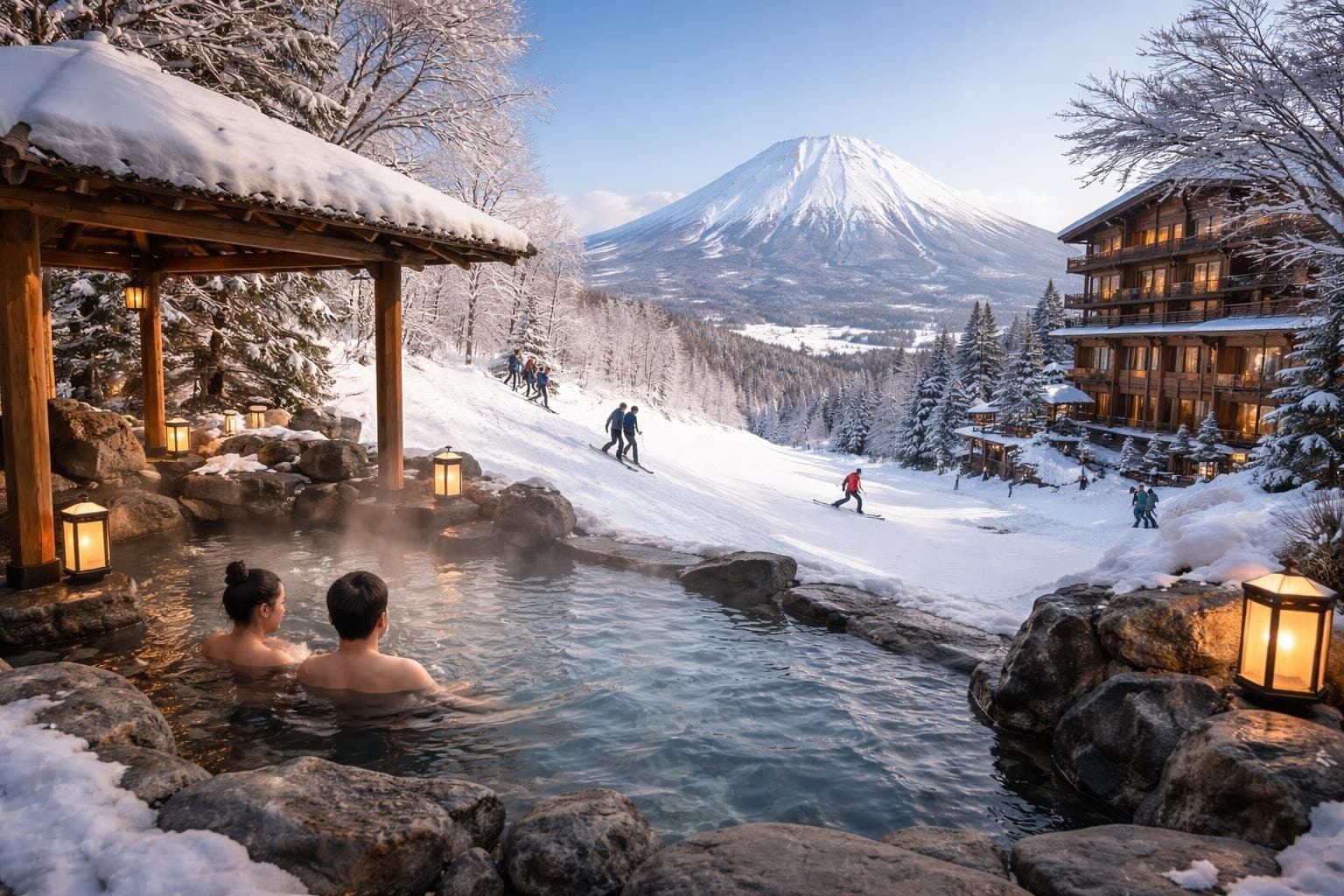
Japan has emerged as one of the world's premier winter sports destinations, offering a remarkable combination of legendary powder snow, cutting-edge facilities, and profound cultural experiences. For discerning travelers seeking more than just another ski vacation, the Japanese Alps deliver an unparalleled fusion of athletic excellence and authentic cultural immersion. The country's unique geographical position creates exceptional snow conditions, while its deep-rooted hospitality traditions transform every ski trip into an unforgettable journey through ancient customs and modern luxury.
Why Japan Stands Apart in Global Skiing
The skiing phenomenon in Japan centers on one word: powder. The country receives some of the most consistent and highest-quality snowfall on the planet, with certain regions averaging over 15 meters annually. This extraordinary snowfall results from cold Siberian air masses picking up moisture as they cross the Sea of Japan, then depositing it as incredibly light, dry powder across the mountain ranges.
Beyond snow quality, Japanese ski culture offers distinct advantages that appeal to luxury travelers:
- Impeccable service standards rooted in omotenashi hospitality principles
- Seamless infrastructure connecting major cities to mountain resorts
- Authentic cultural experiences, including onsen hot springs and kaiseki dining
- Remarkably uncrowded slopes compared to European and North American destinations
- Extended ski seasons running from December through early May at higher elevations
The integration of traditional Japanese culture with modern skiing creates experiences simply unavailable elsewhere. After carving through pristine powder all day, guests can soak in natural hot springs, savor multi-course kaiseki meals, and sleep in refined ryokan accommodations.
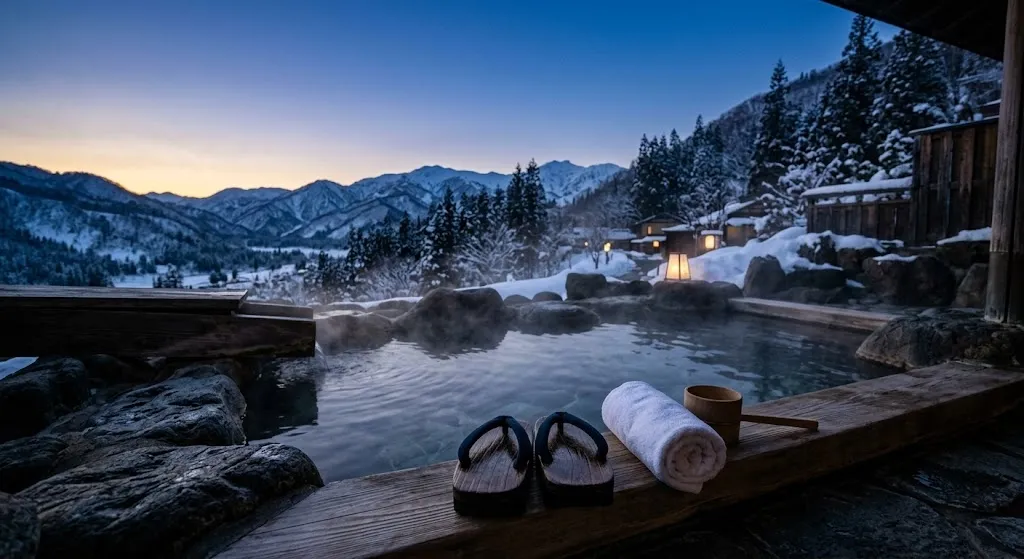
After a day on the slopes, unwind in a traditional, serene onsen with breathtaking mountain views.
Premier Destinations for Luxury Skiing
Niseko: The International Powder Capital
Niseko has achieved legendary status among powder enthusiasts worldwide. Located on Hokkaido's northern island, this interconnected resort system comprises four main areas: Grand Hirafu, Hanazono, Niseko Village, and Annupuri. The region receives an average of 15 meters of snow annually, with powder days outnumbering groomed conditions throughout the season.
What distinguishes Niseko:
- Extensive English-speaking services catering to international guests
- Luxury accommodations ranging from five-star hotels to private chalets
- Direct views of Mount Yotei, often called "Hokkaido's Mount Fuji. i"
- Night skiing options under floodlights
- Sophisticated dining scene featuring international cuisines
The area's development has attracted premium brands and services while maintaining authentic Japanese character. For those planning comprehensive winter journeys, Niseko serves as an excellent anchor destination.
Hakuba Valley: Olympic Heritage and Variety
The 1998 Winter Olympics transformed the Hakuba Valley into a world-class destination, leaving lasting infrastructure improvements. This collection of ten interconnected resorts offers a remarkable variety, from beginner-friendly slopes to challenging expert terrain. The Japan National Tourism Organization highlights Hakuba as a premier choice for families and mixed-ability groups.
| Resort Name | Vertical Drop | Notable Features | |---|---:|---| | Hakuba Happo-one | 1,071m | Olympic downhill courses, advanced terrain | | Hakuba Goryu | 930m | Excellent parks, beginner-friendly | | Hakuba 47 | 850m | Tree skiing, powder stashes | | Hakuba Cortina | 560m | Family atmosphere, uncrowded slopes |
The valley's proximity to Nagano city (approximately 90 minutes) and accessibility from Tokyo (under four hours by train) make it particularly attractive for travelers combining skiing with broader cultural exploration.
Furano and Tomamu: Central Hokkaido Elegance
Central Hokkaido is home to two exceptional destinations that exemplify luxury skiing in Japan. Furano attracts serious skiers with its varied terrain and exceptional snow quality, while neighboring Tomamu has evolved into a comprehensive resort destination.
Furano's appeal lies in its authenticity. The town retains genuine Japanese character, with far fewer international visitors than Niseko. The resort features 28 courses spanning 168 hectares, with particular strength in intermediate and advanced terrain. The snow quality rivals anywhere in the world, yet lift lines remain minimal even during peak periods.
Tomamu represents a different approach-a self-contained resort village featuring the architecturally striking Towers complex, ice village attractions, and Japan's largest indoor wave pool. This destination suits travelers seeking comprehensive amenities without venturing into town.
Hidden Gems Beyond the Classics
Sophisticated travelers increasingly seek out lesser-known destinations that offer exclusivity and authentic experiences. Appi Kogen Ski Resort in Iwate Prefecture delivers exceptional skiing without the international crowds. At the same time, Taira Ski Area provides access to both powder and nearby cultural treasures, including UNESCO World Heritage villages.
Discover the silent beauty of UNESCO World Heritage villages, where centuries-old traditions meet the deep, pristine winter snows of the Toyama region.
Planning Your Luxury Ski Experience
Optimal Timing and Season Selection
Skiing in Japan follows a distinct seasonal rhythm, influenced by regional weather patterns and cultural events. Understanding these patterns ensures optimal conditions and experiences.
Early Season (December - January):
- Fresh powder and excellent snow quality
- Fewer crowds before peak holiday periods
- Higher likelihood of cold temperatures
- Limited daylight hours (sunset around 4:30 PM)
Peak Season (February - Early March):
- Most consistent conditions and deepest base
- Longer days with improving weather
- Higher accommodation rates and increased visitors
- Optimal balance of conditions and atmosphere
Late Season (March - April):
- Spring skiing with warmer temperatures
- Corn snow conditions are developing on sunny slopes
- Excellent visibility for mountain photography
- Discounted accommodation rates
February typically delivers the most reliable combination of snow quality, weather stability, and daylight hours. However, each period offers distinct advantages depending on priorities.
Transportation and Accessibility
Japan's transportation infrastructure transforms multi-resort itineraries into seamless experiences. The Shinkansen (bullet train) network connects Tokyo to gateway cities in under 2 hours, while local bus services provide reliable resort transfers.
For luxury travelers, private transportation eliminates schedule constraints and maximizes comfort. Premium vehicles accommodate ski equipment while offering flexibility to explore beyond resort boundaries. This approach particularly benefits those incorporating cultural experiences and culinary discoveries into their winter journey.
Equipment, Instruction, and On-Mountain Services
Rental Options and Quality Standards
Japanese rental shops maintain exceptional equipment standards, with many offering premium brands and current-year models. Major resorts feature multiple rental locations, including:
- Resort base areas with comprehensive selections
- Ski-in/ski-out hotels with convenient access
- Specialty shops focusing on performance equipment
- Boot-fitting services with advanced analysis technology
Rental packages typically include skis or snowboards, boots, and poles, with upgrade options for high-performance gear. Many shops now offer online reservation systems, ensuring proper sizing and equipment allocation before arrival.
Instruction and Guiding Services
While skiing in Japan offers incredible terrain, maximizing the experience often requires local knowledge. Professional instruction ranges from group lessons to private guiding services.
English-speaking instructors are widely available at major resorts, many of whom hold international certifications. Private guides offer particular value for powder hunting, teaching clients to read weather patterns, identify optimal timing, and access the best terrain as conditions evolve throughout the day.
The skiing culture in Japan reflects both technical precision and respectful mountain etiquette, with guides serving as cultural ambassadors beyond their skiing expertise.
Cultural Integration and Après-Ski Experiences
Onsen: The Essential Japanese Ski Ritual
No discussion of skiing in Japan is complete without addressing onsen culture. These natural hot springs serve as the perfect complement to athletic exertion, offering therapeutic benefits and profound relaxation.
Most ski destinations feature multiple onsen options:
- Resort day-use facilities open to all visitors
- Hotel private baths are reserved for guests
- Traditional public bathhouses in nearby villages
- Rotemburo outdoor baths with mountain views
- Mixed-gender kashikiri private rentals for groups
The ritual follows specific etiquette: thorough washing before entering communal baths, no swimwear, and quiet contemplation. This practice embodies Japanese cultural values while providing genuine physical recovery benefits.
Culinary Excellence on the Mountain
Japanese ski resorts elevate on-mountain dining far beyond typical ski cafeteria standards. Options span from quick ramen shops to refined restaurants serving regional specialties.
Indulge in world-class culinary artistry where refined regional ingredients are served alongside breathtaking, panoramic views of Japan's pristine, snow-covered mountain ranges.
Hokkaido particularly excels in seafood, with many mountain restaurants featuring fresh catches from nearby waters. Soup curry, a Sapporo specialty, has become synonymous with ski lunches. Higher-end establishments serve kaiseki courses incorporating seasonal local ingredients, creating dining experiences that match the skiing quality.
Evening Entertainment and Village Life
After-skiing activities vary significantly by destination. Niseko offers an international atmosphere with diverse restaurants, bars, and entertainment venues. Hakuba maintains a balance between traditional izakaya and contemporary establishments. Smaller resorts provide authentic experiences centered on local culture rather than imported entertainment.
Many luxury travelers appreciate this cultural authenticity as much as the skiing itself. Evening strolls through snow-covered villages, intimate izakaya conversations with locals, and traditional ryokan stays create memories that distinguish Japanese ski trips from purely athletic pursuits.
Advanced Considerations for Discerning Travelers
Combining Regions for Comprehensive Experiences
Sophisticated itineraries often combine multiple destinations to experience regional diversity. Hokkaido resorts pair naturally with one another, while Nagano-area destinations integrate easily with cultural exploration in historic cities.
A thoughtfully designed two-week journey might include:
- Week One: Niseko and Furano in Hokkaido for premium powder
- Week Two: Hakuba Valley,y followed by Kyoto and Tokyo
This approach balances athletic pursuits with cultural immersion, leveraging Japan's efficient transportation to create seamless transitions. The comprehensive guide to traveling in Japan helps coordinate these complex multi-destination journeys.
Accommodation Tiers and Selection Strategy
Japanese ski accommodations span an impressive range, from basic pensions to ultra-luxury properties. Understanding these distinctions ensures alignment with expectations and budget.
| Category | Characteristics | Ideal For | |---|---|---| | Luxury Hotels | International standards, English service, ski-in/ski-out | Convenience-focused travelers | | Premium Ryokan | Traditional architecture, kaiseki cuisine, and cultural immersion | Experience-seeking guests | | Private Chalets | Exclusive use, personal chef options, group flexibility | Families and friend groups | | Boutique Properties | Unique design, personalized service, intimate atmosphere | Couples and small parties |
Location matters significantly. Ski-in/ski-out properties command premium rates, eliminate transportation concerns, and maximize on-slope time. Village-center locations offer easy access to dining and entertainment. Secluded properties provide tranquility and exclusivity.
Navigating Language and Cultural Nuances
While major resorts increasingly accommodate English speakers, venturing beyond tourist centers requires cultural awareness. Basic Japanese phrases enhance interactions, though translation apps have dramatically improved accessibility.
Key cultural considerations include:
- Indoor/outdoor transitions: Remove shoes when entering most establishments
- Onsen etiquette: Follow bathing protocols carefully
- Dining customs: Don't stick chopsticks vertically in rice
- Tipping culture: Service charges are included; additional tipping can cause confusion
- Quiet appreciation: Japanese ski culture values respectful mountain behavior
These cultural elements, far from being obstacles, create opportunities for meaningful engagement with Japanese society.
Weather Patterns and Condition Optimization
Understanding regional weather patterns allows strategic planning around optimal conditions. Hokkaido's northern latitude creates consistently cold temperatures, preserving powder quality but sometimes limiting visibility. Nagano-area resorts benefit from more stable weather systems, offering better odds of bluebird days.
The phenomenon described by European enthusiasts chasing perfect powder reflects Japan's reliable storm cycles. Pacific low-pressure systems deliver regular snowfall, typically every three to five days. Monitoring weather forecasts and maintaining itinerary flexibility maximizes powder opportunities.
Advanced skiers often employ a "resort rotation" strategy, shifting between destinations based on recent snowfall, wind patterns, and crowd forecasts. This approach requires transportation flexibility but delivers optimal conditions throughout an extended stay.
Sustainability and Responsible Skiing
Modern luxury travel increasingly emphasizes environmental stewardship and cultural respect. Skiing in Japan offers opportunities to support sustainable practices while enjoying world-class experiences.
Many resorts have implemented environmental programs addressing:
- Energy efficiency in lift operations and snowmaking
- Waste reduction through comprehensive recycling programs
- Wildlife protection zones limiting development
- Water resource management for snowmaking systems
- Carbon offset programs for transportation
Travelers contribute by choosing operators that prioritize sustainability, respect wildlife zones, properly dispose of waste, and support local businesses. The historical development of skiing in Japan demonstrates how the sport has evolved alongside environmental consciousness, with communities understanding that pristine natural conditions drive long-term success.
Practical Logistics and Final Preparations
Documentation and Entry Requirements
Japan maintains straightforward entry requirements for most Western passport holders, typically granting 90-day tourist visas upon arrival. However, specific requirements should be verified before travel, as policies evolve.
Essential preparations include:
- Valid passport with at least six months remaining validity
- Travel insurance covering winter sports activities
- An international driver's permit is required if planning to rent vehicles
- Credit cards are widely accepted at major resorts, though cash remains important in rural areas
- Mobile connectivity through pocket WiFi rentals or international data plans
Packing Strategies for Varied Conditions
Japanese ski conditions demand versatile layering systems. While powder days attract attention, variable weather requires preparation for everything from minus-twenty Celsius to spring slush.
Essential items include:
- High-quality base layers with moisture-wicking properties
- Insulated mid-layers for extreme cold days
- Waterproof outer shells rated for heavy snow
- Hand and toe warmers for bitter conditions
- Goggles with multiple lens options for varying visibility
- Neck gaiters and face protection for wind exposure
Most major resorts maintain excellent grooming standards, allowing versatile ski selections. All-mountain skis in the 100-110mm waist range handle both powder and groomed runs effectively.
Health and Safety Considerations
Japan's ski resorts maintain exceptional safety standards with comprehensive patrol services and medical facilities. However, understanding specific protocols enhances preparedness.
Mountain rescue in Japan operates efficiently, with patrols monitoring boundaries and enforcing closure policies strictly. Unlike some Western destinations, accessing closed terrain can result in serious consequences, including patrol confiscation of lift tickets and potential legal action.
Altitude rarely creates issues at Japanese resorts, with most base areas below 1,000 meters and summits topping out around 2,300 meters. However, sudden weather changes demand respect; ash-whiteout conditions can develop rapidly during storm cycles.
Skiing in Japan represents far more than exceptional powder and pristine slopes-it offers a complete cultural immersion combining athletic excellence with profound hospitality traditions. Whether seeking legendary Hokkaido powder, family-friendly Nagano resorts, or hidden gems offering authentic experiences, Japan delivers winter adventures that exceed expectations on every level. Japan Royal Service specializes in crafting bespoke ski itineraries that seamlessly integrate world-class skiing with cultural exploration, luxury accommodations, and exclusive access to Japan's most remarkable winter destinations, ensuring every aspect of your journey reflects your unique vision for the perfect ski vacation.