Experiences
How to Visit Shizuoka: The Ultimate 2026 Travel Guide
Discover Shizuoka's iconic Mount Fuji views, renowned tea culture, and hidden luxury experiences. Your complete guide to Japan's premier destination.
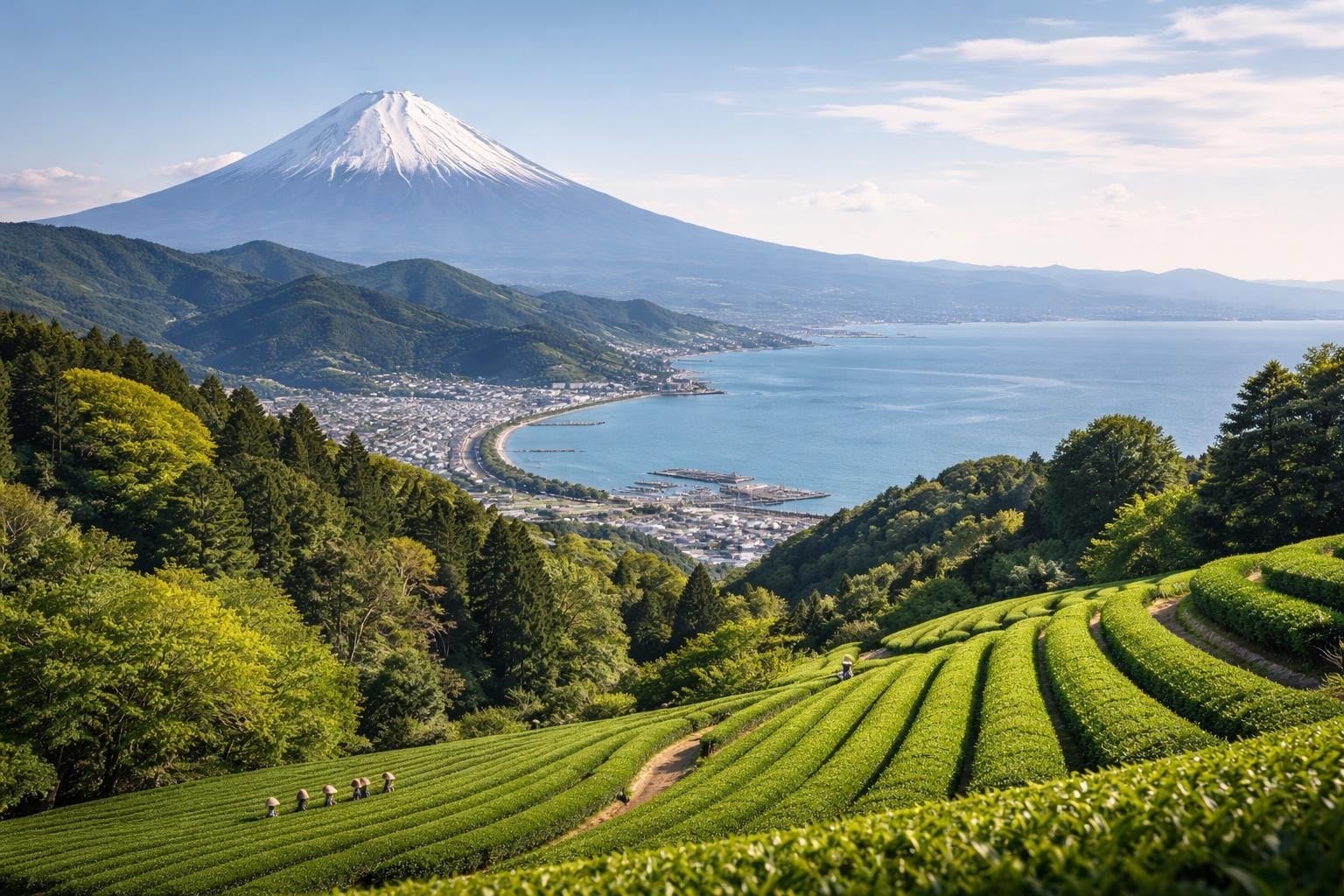
Set between Tokyo and Kyoto on Japan’s Pacific side, Shizuoka sits in that sweet stretch people speed past. Quietly impressive. It’s often missed, yet it fits travelers who want polished comfort without the usual crowds, because the prefecture mixes big scenery, deep-rooted history, and food that tastes like it was made for the day you arrived. Mount Fuji anchors the northern horizon and the area produces close to half of Japan’s top green tea, so Shizuoka Prefecture works as a clear window into Japanese landscapes, local habits, and that calm, attentive omotenashi you notice more when the streets aren’t jammed.
The Geographic and Cultural Significance of Shizuoka
Shizuoka’s address on the old Tokaido route has mattered for ages. That corridor tied east and west together, and the region grew into a meeting point where old customs, trading energy, and new ideas bumped shoulders. The land itself keeps switching moods, from Mount Fuji’s steep shoulders to the open edge of Suruga Bay, and those shifts create microclimates that support premium tea fields in one pocket and busy fishing work in another.
The city of Shizuoka, as prefectural capital, feels measured rather than flashy. Not sleepy, either. Tokugawa Ieyasu picked this place for retirement, and that single decision left a long shadow over the region’s tone, from its shrines to the way local stories still circle back to the samurai era; you can spend a morning with modern cafes and still end up thinking about the shogun by lunch.
Natural Wonders and Scenic Beauty
Shizuoka’s scenery is varied, and it can swing from adventurous to soothing in a single day. Fast change. Fuji’s southern face gives you angles you can’t copy elsewhere, and when visibility is crisp the mountain looks less like a postcard and more like a hard-edged presence that rearranges how you read the whole horizon.
Prime viewing locations include:
- Miho-no-Matsubara Pine Grove, where ancient trees frame sacred mountain views
- Nihondaira Plateau, offering panoramic vistas across Suruga Bay
- Izu Peninsula coastlines, combining ocean horizons with mountain backdrops
- Tea plantation terraces in Makinohara, where Fuji rises above emerald fields
The Izu Peninsula pushes out into the Pacific and creates a warmer pocket of air that feels almost unexpected for central Japan. Onsen towns like Atami and Ito have refined their hot-spring culture into something comfortable and grown-up, with serious kaiseki meals, therapeutic waters, and hotels that take small details seriously—down to the quiet click of geta in a corridor at 6:30 a.m., when most guests are still half-asleep.
The Art of Shizuoka Tea Culture
Shizuoka is widely known as Japan’s leading tea region, but the story isn’t only about volume. It’s craft. The prefecture produces about 40% of Japan’s green tea, and it also holds centuries of know-how in growing, processing, and serving tea with the kind of care that borders on shokunin pride. Volcanic soil, steady weather, and farmers who can read a field like a calendar combine to yield sencha, gyokuro, and matcha that feel noticeably different cup to cup, especially when you taste them side-by-side instead of buying a single bag and calling it a day.
Understanding Tea Terroir
Terroir makes sense here, the way it does in serious wine areas. Simple idea, tricky reality. In Shizuoka’s tea production, small changes in elevation and fog, sun hours, and harvest timing show up as aroma and texture, and people who taste often can spot those differences without being told the label. I once heard a farmer say, almost offhand, “Today it smells like rain, so the leaf will be gentle,” and the cup proved him right.
| Growing Region | Elevation | Characteristic Flavor Profile | Premium Varieties | |---|---|---|---| | Makinohara | Low to mid | Bold, robust, refreshing | Standard sencha, fukamushi | | Kawane | Mountain | Delicate, aromatic, sweet | Premium sencha, gyokuro | | Fuji | Highland | Complex, umami-rich, refined | Competition-grade sencha | | Honyama | High altitude | Mellow, elegant, nuanced | Artisanal small-batch |
For travelers who want more than shopping, the best tea moments in Shizuoka happen behind the scenes. Private plantation visits show how precise hand-picking can be, while time with a tea ceremony teacher explains how the drink shaped aesthetics like wabi-sabi, not through slogans but through small rules—water temperature, bowl choice, and the pause before the first sip. Worth it.
Culinary Excellence Beyond Tea
Tea gets the headlines, but Shizuoka eats well in other directions. Different rhythm. Suruga Bay is among Japan’s deepest bays, and that depth supports seafood that shows up fresh and local, especially sakura ebi (cherry blossom shrimp) and shirasu (whitebait), two delicacies that often stay close to home because they’re best when they haven’t traveled far.
In the mountains, Shizuoka is also known for real wasabi grown in cold streams. Not the green paste you already know. The flavor has a clean lift and a quick fade, and when a kitchen uses the genuine thing it changes the whole balance of sushi and sashimi, turning heat into something more layered and polite.
Seasonal culinary highlights include:
- Spring: Fresh sakura ebi and seasonal mountain vegetables
- Summer: Eel from Hamamatsu, perfectly grilled over charcoal
- Autumn: Matsutake mushrooms from mountain forests
- Winter: Premium tuna from Yaizu port and sweet strawberries
Historical Legacy and Cultural Treasures
Shizuoka’s historical weight is closely tied to Tokugawa Ieyasu, the shogun who unified Japan and founded the Tokugawa shogunate that ruled for more than 250 years. Long rule, long memory. After stepping back from active governance, he chose Sunpu (today’s Shizuoka City) as his home, and the area became more than a retirement address; it turned into a place where politics, culture, and taste all gathered in one orbit.
Sunpu Castle and Samurai Heritage
Sunpu Castle Park sits right in the city, even though the original castle didn’t survive earthquakes and fires across the centuries. History is rough. Reconstruction has brought parts back using traditional methods, and the result feels more tactile than you might expect—wood joinery, stone lines, the way the grounds open up when you step through a gate. The gardens shift with the calendar, and they’re especially striking during cherry blossoms and the later stretch of autumn color.
The attractions around Shizuoka go well beyond the castle: temples, shrines, and museums that keep samurai-era objects and art in view. Private guiding can change the texture of the visit, not because it makes things louder, but because it brings quieter context and, at times, access to areas most visitors never realize exist.
Traditional Crafts and Artistic Heritage
The region’s cultural traditions include many designated crafts that have been maintained, adjusted, and protected over generations. Suruga Hina Dolls are among the best-known, built by master artisans who can spend months on a single set, and the detail is the point: silk layers, hand-painted faces, tiny choices you don’t catch until you lean in close.
Suruga lacquerware is another anchor craft, made by applying repeated layers of urushi (lacquer) and then polishing through cycle after cycle until the object stops feeling like a product and starts feeling like a tool meant to last. It takes patience. Big mistake if you assume it’s just “shiny bowls” and rush through a workshop visit without asking how many coats went on.
The Shizuoka Prefectural Museum of Art holds notable Eastern and Western works, including a dedicated wing with Auguste Rodin sculptures. Surprise factor. For travelers used to Tokyo museum crowds, the calmer pace here can feel like a relief, and you can actually stand still with a piece for a few minutes without being pushed along by someone’s timetable.
Luxury Accommodations and Exclusive Experiences
Shizuoka’s hospitality scene has expanded to welcome international guests while keeping service grounded in Japanese standards. Quiet precision. You’ll find everything from ryokan that have been operating for generations to newer resorts that borrow traditional design cues without turning the place into a theme park, and the better stays feel less like “amenities” and more like a sequence of small, well-timed kindnesses.
Premium Ryokan Experiences
Traditional inns in Shizuoka can be deeply refined. Not in a loud way. Many sit in scenic settings with their own hot spring sources, giving guests private access to onsen waters and serving kaiseki meals built around local seasonal ingredients—shun flavors that change as the year turns, even when the menu format stays familiar.
The top ryokan keep staffing generous, so attention doesn’t feel rushed or scripted. Rooms typically have tatami floors, shoji screens, and seasonal touches that rotate with nature, and meals arrive as a kind of calm ceremony, course by course, on ceramics and lacquerware that often reflect local craft traditions. Nico on our JRS team once pointed out a single maple leaf placed beside a breakfast tray and said, “They remembered last night’s rain,” which sounds small until you realize someone chose that leaf on purpose.
Exclusive Access and Private Experiences
Shizuoka can also be arranged in ways that go beyond standard sightseeing. The catch is that it often requires local introductions and good timing, not just money. Options can include private tea ceremonies with grand masters, after-hours moments in artisan studios, participation in festivals that usually feel resident-only, and access to fishing vessels for dawn tuna auctions at Yaizu port—the kind of morning where you’re up before sunrise, coffee in hand, listening to short calls across the dock.
Curated luxury experiences available:
- Private Mount Fuji photography expeditions with professional guides
- Exclusive sake brewery tours with master brewers
- Hands-on tea blending sessions with competition winners
- Traditional craftsmanship workshops with designated Living National Treasures
- Chartered yacht excursions along the Izu Peninsula coastline
Transportation and Accessibility
Shizuoka sits on the Tokaido corridor, so getting in is straightforward while the atmosphere stays calmer than the major hubs. Easy entry. The Tokaido Shinkansen runs from Tokyo to Shizuoka Station in about one hour, which makes day trips possible, but the better play is to slow down and treat the prefecture as more than a quick stop, because many of its best corners don’t reward rushing.
High-end transport can make the transit itself feel like part of the trip. Different feel. Private vehicles with driver-guides handle winding mountain roads to tea fields, coastal routes to smaller fishing towns, and forest approaches to tucked-away temples, and that setup removes the stress of maps while adding steady commentary, small detours, and the ability to shift plans when fog rolls in or a viewpoint suddenly clears.
The official tourism resources are helpful, yet curated planning usually matters more for travelers looking for specific doors to open. You need someone who knows which artisans welcome visitors, when seasonal events actually happen on the ground, and how private properties handle access, because those details can change the difference between a nice day out and a day that sticks with you for years.
Seasonal Considerations for Visiting Shizuoka
Shizuoka changes shape with the seasons, and the calendar can quietly decide what kind of trip you get. Timing matters. If you match your interests to the month, the prefecture feels generous; if you ignore the season, you can still have a good time, but you may miss the particular highlight you came for.
Spring brings cherry blossoms, often peaking in early April, when castle grounds and parks turn pink and the air feels mild enough for long walks. Quick crowd spike. It’s also a strong season for tea-field visits and local festivals, but demand rises, so planning ahead is less optional than people expect.
Summer runs warmer and pulls attention to coasts and higher elevations. Salt air. The Izu Peninsula becomes especially popular for ocean time and festival nights, and tea picking happens in this stretch as well, so you can watch harvest activity up close, sometimes even stepping into the process if your visit is arranged properly.
Autumn’s Cultural Richness
Autumn is often the sweet spot for travelers who care about culture and comfortable weather. Best balance. From September to November, temperatures stay moderate, and the mountains shift to crimson and gold, making even short drives feel like moving through a changing painting.
Festivals and cultural events cluster in this season. Longer rhythm. Tea harvest continues and produces second- and third-flush teas with different character than spring pickings, and agricultural festivals mark the rice harvest and autumn produce with performances and ceremonial moments that feel lived-in rather than staged.
Winter has its own appeal, especially for onsen fans. Cold air, hot water. The contrast makes bathing more satisfying, and clear winter days often give the sharpest Mount Fuji views, with crisp conditions that show off the peak’s lines. Strawberry season begins in winter, and Shizuoka’s premium varieties fetch high prices in Tokyo markets, which tells you how seriously people take the fruit.
Regional Diversity Within Shizuoka Prefecture
Shizuoka City is a convenient base, yet the prefecture’s real appeal comes from how different its regions feel once you start moving. Variety is the point. A short transfer can take you from coastal air to mountain quiet, from shopping to craft studios, and each zone adds a distinct note to the larger picture.
The Izu Peninsula stretches south into the Pacific and feels subtropical compared to inland Shizuoka. Different light. Past Atami and Ito, you can find small beaches, sharp coastal cliffs, and fishing towns that still follow their own pace, and the western side, described in Nishi-Izu’s cultural resources, keeps traditional dances and local crafts alive in communities that haven’t been reshaped by mass tourism.
Eastern Shizuoka, including Gotemba and Numazu, sits closest to Mount Fuji within the prefecture. Clear proximity. Gotemba draws shoppers to its premium outlets, while Numazu’s deep-water port feeds local restaurants with seafood that tastes direct and immediate, and the higher ground provides cooler summer air plus strong autumn color when the leaves begin turning.
Western Shizuoka, with Hamamatsu as a major anchor, mixes industrial know-how with long-running traditions. Not a contradiction. The area is known for musical instrument production while also keeping festivals that go back centuries, and its eel cuisine is a serious draw, with specialist restaurants still perfecting grilling methods learned across generations.
Integrating Shizuoka into Broader Japan Itineraries
For travelers building multi-stop Japan plans, Shizuoka is easy to fit in and often improves the pacing. Natural break. Its location between Tokyo and Kyoto makes it a logical stop that shortens long travel days while adding experiences that don’t feel like a repeat of the big cities.
Many guests find Shizuoka acts as a breather from urban intensity while still feeling comfortable and culturally deep. Calmer tempo. Compared with Tokyo or Kyoto, there’s often less international foot traffic, which can lead to more natural interactions and quieter time at cultural sites, especially early in the day.
Strategic itinerary integration approaches:
- Tokyo-Shizuoka-Kyoto progression following the historic Tokaido route
- Mount Fuji focuses on using Shizuoka as a base for multiple perspectives
- Tea culture deep dive, combining Shizuoka with Uji near Kyoto
- Coastal journey exploring lesser-known onsen resort areas
- Artisan crafts tour visiting multiple traditional workshops
The prefecture’s diverse attractions can support anything from a tight three-day visit to a full week of slow exploration. Time buys nuance. Luxury travel here isn’t about sprinting through checklists; it’s about leaving space for conversation, for a detour when the sky clears, and for the kind of spontaneous stop that ends up becoming the memory you mention first when someone asks how the trip went.
Practical Considerations for Luxury Travelers
Shizuoka can feel easy once you’re there, but a few practical realities shape the experience. Plan smart. English support drops off quickly outside major hotels and main tourist points, so professional guidance can be the difference between simply seeing places and actually engaging with them.
Booking patterns matter, especially for popular ryokan, which may need reservations months ahead during peak seasons and holiday windows. Limited rooms. The best properties keep room counts low to protect atmosphere and service quality, so waiting too long can force compromises you didn’t intend.
Getting around inside the prefecture often works best with private arrangements, particularly in rural zones, the mountains, and smaller coastal communities where trains and buses may be sparse. Public transit exists, but it won’t always match a high-comfort itinerary. A driver who knows local roads, traffic flow, and small access points turns logistics into smooth transitions rather than a string of small delays.
Dining can require the same kind of forethought, especially for respected sushi counters, kaiseki rooms, and traditional spots with few seats. Not casual. Some excellent restaurants have no English site and don’t really do walk-ins, preferring referrals and proper introductions, which is common and not unfriendly—it’s simply how they manage quality and relationships.
Shizuoka adds a distinct layer of Japanese culture, nature, and refinement for travelers who want something beyond the standard circuits. Different kind of luxury. From Mount Fuji’s firm presence to the quiet geometry of tea fields and the comfort of coastal hot springs, the prefecture expresses luxury through depth, skill, and attention rather than surface gloss. Whether your focus is samurai history, craft traditions, culinary excellence, or landscape, Japan Royal Service builds bespoke itineraries that open Shizuoka through local knowledge, rare access, and premium transportation, so the days feel personal, well-paced, and genuinely satisfying.