Experiences
2026 Rusutsu Secrets: Japan's Best Ski Guide
Discover Rusutsu Resort in Hokkaido – world-class skiing, luxury accommodations, and pristine powder. Your complete guide to planning an unforgettable trip.
Up in Hokkaido, Rusutsu catches people off guard. Quiet, almost shy. Then it opens up—three connected mountains, an actual resort-village rhythm, and omotenashi that shows itself in tiny moves (like staff clocking your soaked gloves before you even complain). It pulls in skiers, snowboarders, and travelers who want comfort without loud bragging, and it’s known for deep snow that keeps arriving even when other forecasts start acting tight-fisted. If you’re piecing together a winter plan, Rusutsu is the kind of place where small choices really bite, because a few smart calls decide whether the week feels frantic—or, honestly, simple.
Understanding Rusutsu's Unique Position in Hokkaido
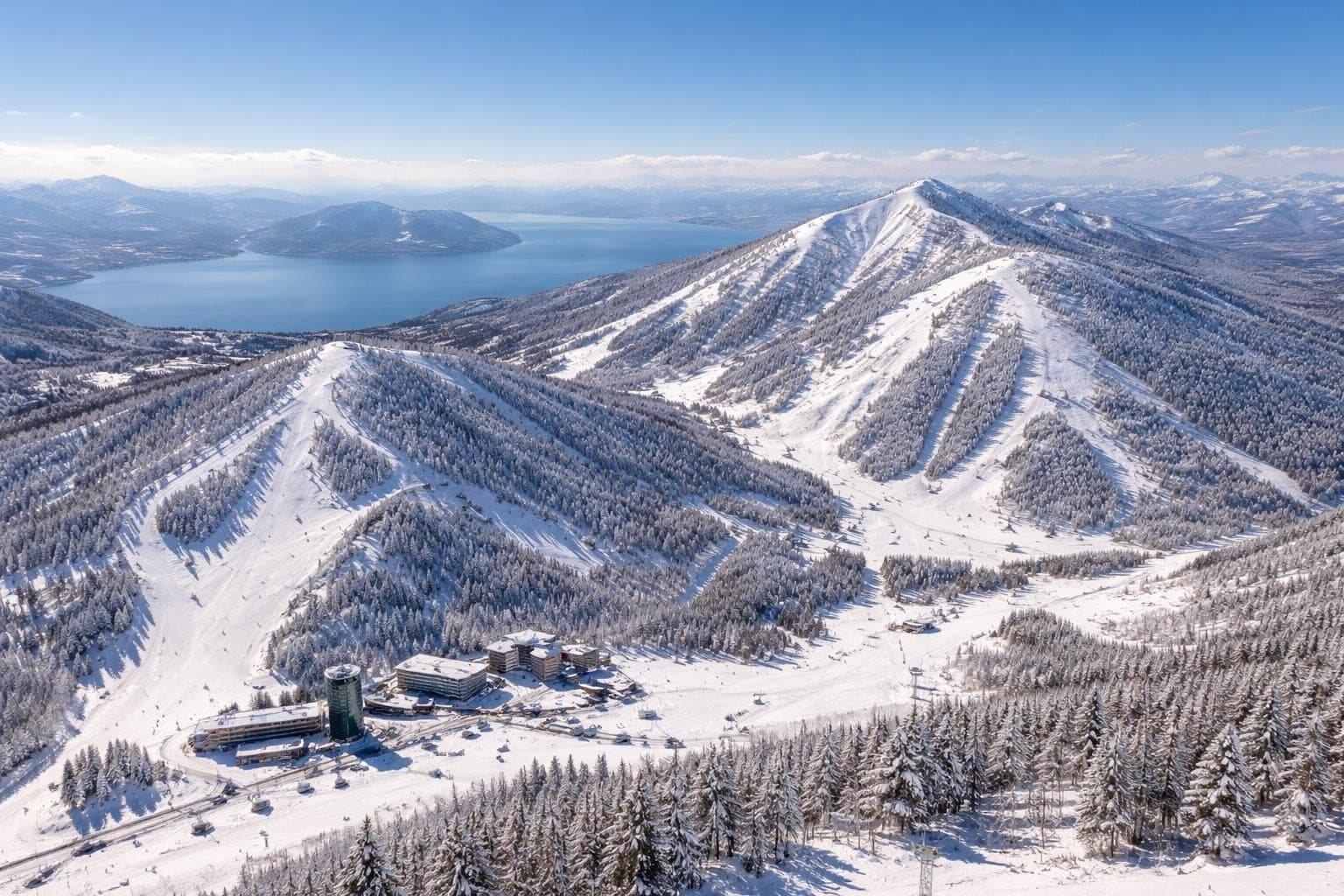
Rusutsu Resort gets its name out there by being big and mixed-up, yet rarely feeling messy. It’s about 90 minutes from New Chitose Airport, and the skiing spreads across roughly 42 kilometers of runs on West Mountain, East Mountain, and Mount Isola, so you can hop zones mid-day when legs go wooden or the weather swivels. Different mood. Same ticket. And that switch—going from one face to another—often saves the afternoon when the light goes flat.
Southwestern Hokkaido gets smacked by systems rolling in off the Sea of Japan, and Rusutsu regularly sees more than 14 meters of snow in a season, which is why people chase “Japow” here at all. The Japan National Tourism Organization mentions the scale of the terrain and the Lake Toya views from up high, and that view holds up—on a clean blue break you’ll see folks just stopping, helmets tilted back, letting the cold nip their cheeks for an extra beat while someone mutters, “No way,” like they didn’t expect it.
Geographic Advantages and Accessibility
The location comes with a few plain, helpful perks:
- Proximity to Sapporo: About 90 minutes by premium transportation
- New Chitose Airport access: Direct international connections keep arrivals simple
- Lake Toya proximity: Easy to pair skiing with an onsen stop
- Isolated position: Helps powder last longer between storm cycles
- Lower elevation base: Often feels less punishing than higher-altitude resorts
The Rusutsu Skiing and Snowboarding Experience
Rusutsu’s calling card is variety. A lot of it. Across 37 courses, you can cruise, sniff out soft snow in the trees, or point it down something steeper, and that mix works for groups where everyone rides differently (the kind where one person is still figuring out turns and someone else is scanning for anything “spicy”).
Terrain Breakdown and Skill Levels
| Difficulty Level | Percentage | Notable Features | | --- | --- | --- | | Beginner | 30% | Wide, groomed runs on East Mountain | | Intermediate | 40% | Varied terrain with natural features | | Advanced | 30% | Steep chutes, tree runs, off-piste areas |
The intermediate areas are where plenty of people quietly sharpen up, because you can edge into harder terrain without signing up for something that feels like a dare. OnTheSnow’s reviews often talk up grooming and the way the trails connect, and that matches what guests tell us back at JRS—when it’s snowing hard, you can still find groomers that don’t feel scraped thin or oddly domed. Small relief. Real.
Advanced riders usually bring up the trees first. Silver birch stands, darker evergreen pockets, and little natural rollers that stash soft snow from the wind; it’s also the kind of skiing where visibility can vanish mid-storm and, suddenly, the forest is your best reference point. West Mountain has the rougher personality, with steeper bits and mogul fields that don’t pretend to be gentle, especially late afternoon when everyone’s legs are tired and the bumps start looking taller than they did at 10 a.m.
Snow Quality and Seasonal Considerations
The season usually runs from late November into early April. Short run, big return. January and February are the prime stretch for many travelers, because that’s when colder temps and steady snowfall tend to line up and the snow stays light instead of turning tacky.
Rusutsu also tends to feel less packed than places closer to the main circuits, like Niseko, and that changes the rhythm of a powder day in a very usable way: you’re not always sprinting for the crowd at 8:30 a.m. Japow Travel’s review mentions how long the soft snow can hang around, and that’s the point—sometimes you’ll still be picking up quiet leftovers days after a storm, especially if you’re willing to change mountains instead of looping the same lift line out of habit. Except Tuesday. Whiteout. That’s when you stop being brave and start being sensible.
Those quieter glades can feel almost hushed, and in the right weather you can still find smooth, track-light lines well after a storm.
Beyond the Slopes: Year-Round Attractions
Rusutsu didn’t stay “only a ski spot.” It matured. That matters if you’re traveling with mixed priorities, or if you’re the person who wants a crisp morning outside and then an afternoon doing something totally different without a long drive or a complicated transfer.
Summer Activities and Attractions
In warmer months, the resort shows a different face, with:
- Championship golf courses: Two 18-hole courses designed by renowned architects
- Mountain biking trails: Utilizing ski runs and forest paths
- Rusutsu Resort Amusement Park: Over 60 attractions and rides
- Hiking and nature walks: Access to pristine Hokkaido wilderness
- Hot air balloon rides: Spectacular aerial views of the surrounding landscape
Wikipedia’s overview lists the year-round facilities, and it works as a rough checklist if you’re sketching out what might fit. Still, operating dates slide around with the season, so if you’re targeting one specific activity, confirm the schedule before you lock flights and then realize the ride you wanted is shut for maintenance that week.
The Amusement Park Experience
The on-site amusement park is one of the larger ones in Hokkaido, with coasters, family rides, and seasonal setups that feel a little surreal when your brain is still stuck on “mountain resort.” It’s not everyone’s focus. But for families—or groups where half the crew wants something other than skiing every single day—it can keep the trip from turning into a low-grade argument by day three. Worth it.
Accommodation Options and Luxury Experiences
Where you sleep changes everything. Fast. Rusutsu has a broad spread—from hotel rooms that let you roll straight to the lifts, to private residences where you can cook, sprawl out, and keep the group on one schedule (or let everyone run their own clock).
The Westin Rusutsu Resort
The Westin is the headline property, with international-style comfort layered over Japanese sensibilities, and you’ll notice it in the calm design choices and the shokunin-level attention to upkeep. Rooms have big windows facing the mountains or valley, and the ski-in/ski-out setup means you’re not bargaining with shuttles when the snow is coming down sideways. One morning, JRS staffer Nico was at the Westin entrance around 7:05 a.m. and watched a solo guest in rental boots glance at the snowfall, shrug, and say, “Okay… we’re not eating breakfast yet,” before power-walking toward the lift base; Nico laughed because the guy came back later complaining he’d missed the best buffet items. Big mistake.
Premium suite options include:
Suite Category Comparison
| Suite Type | Size (sq m) | Key Features | Best For | | --- | ---:| --- | --- | | Premium Room | 42 | Mountain views, king bed | Couples, business travelers | | Junior Suite | 52 | Separate living area, balcony | Small families | | Executive Suite | 72 | Full kitchen, dining area | Extended stays | | Presidential Suite | 120+ | Multiple bedrooms, private onsen | Groups, VIP guests |
Alternative Luxury Accommodations
Outside the main hotel, boutique stays shift the tone. The Vale Rusutsu offers condominium-style rooms with full kitchens and clean, modern lines, which suits travelers who like an early grocery run and a quiet dinner in. That self-catering angle can be a relief if you’re traveling with kids, or you just want one night where nobody has to put on “restaurant clothes” after being outside all day.
If you prefer a smaller, lodge-like setup, Rusutsu Powder Lodge offers a more intimate feel and personal service, with slope access that makes “one more run” dangerously convincing. These places can feel more wabi-sabi than polished hotel living, in the best sense—less show, more comfort, and a bit more human.
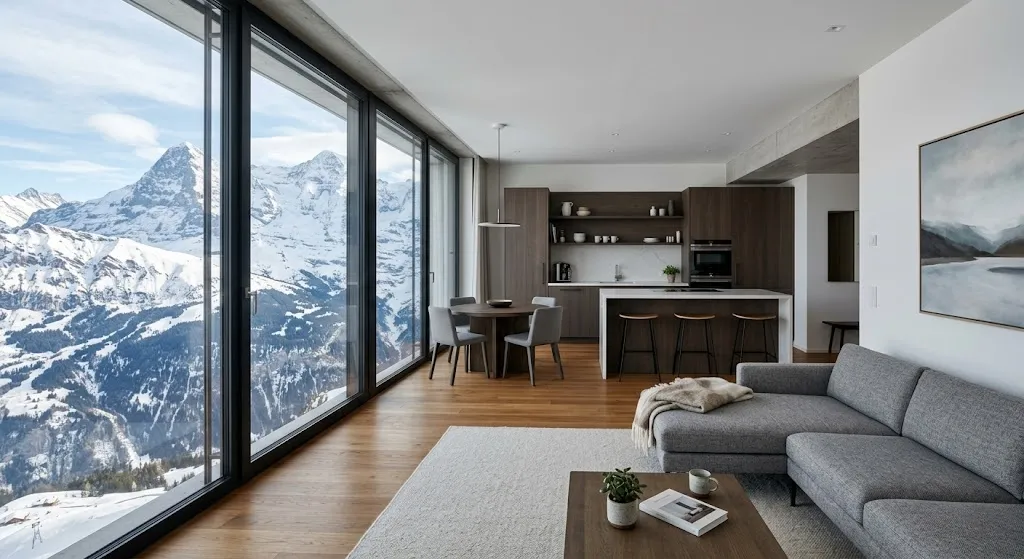
Condo-style suites make it easy to live “normally” on a ski trip—cook, dry gear, stare at the snow, repeat.
Culinary Excellence at Rusutsu
Food is a real part of the Rusutsu loop. Not filler. With more than a dozen restaurants and bars, you can keep it simple or go for multi-course Japanese dining, and the best meals tend to follow shun—seasonal timing—more than whatever trend is having a moment overseas.
Signature Dining Experiences
Higher-end choices lean into Hokkaido strengths: seafood, dairy, and winter produce that tastes sharper in the cold air. There’s teppanyaki where Wagyu comes with a bit of show, and a French restaurant that uses modern technique on regional ingredients without turning dinner into a lecture. You’ll also find Italian, Chinese, and Japanese options, which matters when you’re staying long enough that “the same bowl again” starts to feel bleak.
Breakfast buffets are where people get strangely competitive. You’ll see Western staples next to Japanese picks, and local items—seafood, house-made tofu, regional vegetables—show up in ways that feel functional, not stagey, especially when you’re trying to fuel up for a full day in cold wind.
Après-Ski and Evening Entertainment
Evenings can be quiet or chatty depending on what you choose. Bars run from casual spots with sports on screens to cocktail lounges where the lights stay low and voices drop, and Ski Asia’s review notes the nightlife is better than many expect from a resort setting. If you’re traveling in a small group—say four friends—build in one “early night” anyway, because back-to-back late evenings plus powder mornings is how people torch day three and start snapping at each other in the boot room.
Planning Your Rusutsu Experience
Planning can make or break it. No exaggeration. Rusutsu rewards travelers who watch timing, booking windows, and the small logistics that sound dull until you’re standing around in ski boots, sweating, wishing you’d been a little sharper the week before.
Optimal Timing and Season Selection
Monthly Conditions Overview
| Month | Snow Conditions | Crowds | Temperature Range | Recommended For | | --- | --- | --- | --- | --- | | December | Building base | Low | -8°C to -2°C | Early-season enthusiasts | | January | Peak powder | Moderate | -12°C to -5°C | Serious skiers | | February | Excellent | High | -10°C to -4°C | All visitors | | March | Spring conditions | Moderate | -5°C to 2°C | Families, value seekers | | April | Limited terrain | Low | 0°C to 8°C | Late-season deals |
February is busy for a reason: strong snow, tolerable temps, and plenty operating. January, though, is often the month powder-focused skiers quietly pick, because you can get that lighter snow feel with fewer people battling for the same first tracks. The tradeoff is blunt—colder days, and you’ll want better face coverage than you think you need when you’re packing at home.
Transportation and Logistics
From New Chitose Airport, premium private car services are usually the cleanest choice if you value time, warmth, and flexibility over shaving costs. It’s roughly a 90-minute drive, and on a clear afternoon the roads can feel almost deserted; on a storm day, that same drive is when you’ll be glad you booked a driver who actually knows the area and doesn’t tense up when the visibility drops and the snow starts skating sideways across the asphalt.
Inside the resort, free shuttles link buildings and lift bases, but ski-in/ski-out stays erase that step entirely. If you want to roam beyond Rusutsu—Lake Toya onsen towns, a day in Sapporo, or a swing through Niseko—a private vehicle turns those side trips from “maybe” into something that actually happens instead of staying in a group chat.
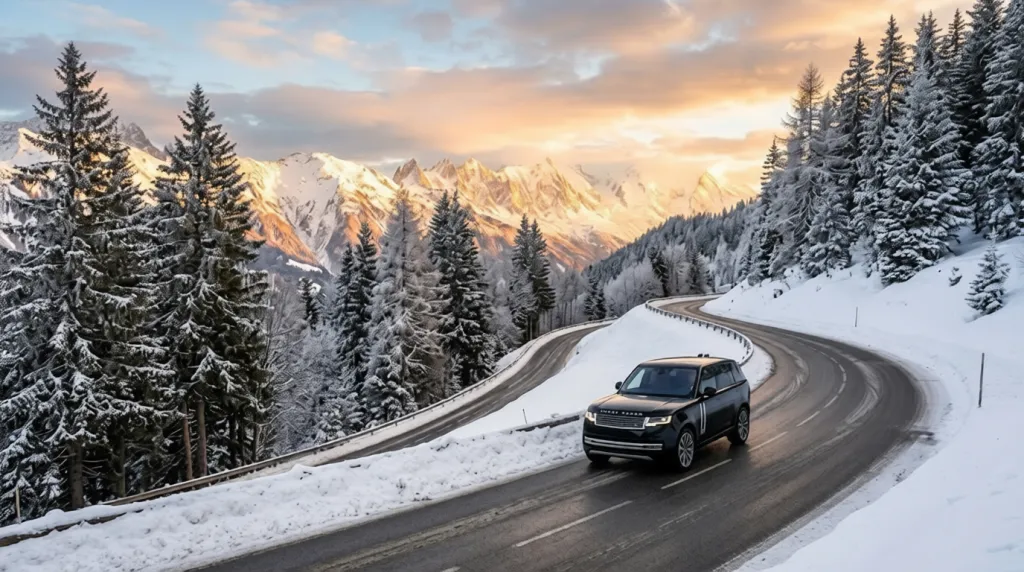
A private car makes the airport transfer feel less like a chore and more like part of the day’s plan.
Integrating Rusutsu into Broader Japan Itineraries
Rusutsu works well as a Hokkaido anchor. Straightforward. Travelers often pair it with cities, onsen, and food-driven stops so the week doesn’t turn into “ski, sleep, repeat” for seven days (unless that’s exactly the point).
Regional Hokkaido Combinations
Rusutsu pairs well with several Hokkaido highlights:
- Sapporo city exploration: Urban culture, dining, and brewing heritage
- Lake Toya onsen experience: Traditional hot springs and resort towns
- Otaru canal district: Historic port city and glasswork shopping
- Noboribetsu hot springs: Dramatic volcanic landscapes and therapeutic waters
- Furano lavender fields: Summer seasonal alternative (July-August)
This kind of mix shows more of Hokkaido than lift towers and hotel lobbies, which helps if you’re traveling with someone who wants culture and shopping in the same week as snow.
Connecting to Southern Japan
If you want a bigger contrast, Rusutsu can be the northern chapter of a multi-region plan that continues to Kyoto, Osaka, or Tokyo. The shift is abrupt—in a good way—because you go from cold, quiet mountains to crowded stations, late dinners, and a pace that makes you notice how different Japan feels from region to region (and, yes, you’ll probably misjudge the first rush-hour transfer and end up walking faster than you meant to).
Professional itinerary planning helps connect these pieces with private transportation, sharp hotel selection, and timing that doesn’t leave you sprinting through airports. Japan Royal Service's comprehensive tour planning capabilities support these multi-stop itineraries so transitions feel sensible instead of frantic.
Exclusive Access and VIP Services
Some travelers want more than the standard resort flow. Fair enough. With the right setup, you can add privacy, guidance, and small upgrades that change how the day runs—especially when the weather is twitchy and you don’t want to guess wrong with your one good window.
Private Instruction and Guiding
Private instructors can speed up progress quickly, because feedback is immediate and the day is built around you, not a group’s median skill. A good guide who knows Rusutsu can also shift you around the mountains as conditions change, aiming for better sight lines, softer snow, or calmer lifts, and yes, they often know the less-obvious powder zones that don’t show up in casual trail chatter or a quick map glance.
Advanced skiers tend to get the most from guides who treat tree skiing seriously—line choice, spacing, and boundary awareness matter a lot more when the snow is deep and the light is flat. This isn’t glamour. It’s how you keep a great day from turning into a panicky one.
Equipment and Fitting Services
Premium rentals can be a smart call if you don’t want to fly with gear, juggle bags, and then deal with a boot issue on day one. High-end rental shops offer proper fitting and adjustments, and the better staff will ask the right questions—your ability, what terrain you actually like, and what you plan to ski—before they hand you anything and wave you out the door.
A lot of guests like arriving “light” and letting the resort handle the hardware so their brain stays on the fun parts. When boots fit right, everything else calms down, and that’s not sales talk—it’s physics.
Weather Preparedness and Conditions Management
Hokkaido weather flips quickly. No drama, just reality. A morning can start still, then the wind rises, snow starts spiraling, and suddenly the plan you made over coffee needs a fast rewrite, right there in the hallway while you’re zipping your jacket with cold fingers.
Managing Variable Conditions
Weather Response Strategies
- Heavy snowfall days: Focus on tree skiing for visibility and protection
- High wind periods: Ski lower elevation terrain on East Mountain
- Clear weather windows: Prioritize Mount Isola for Lake Toya views
- Warming trends: Take advantage of amusement park or indoor facilities
- Extreme cold: Rotate between outdoor activities and resort amenities
Because the resort has a broad set of facilities, you’re not stuck with “ski no matter what,” which is a genuine advantage compared with smaller operations. Freeride.com reviews often point out that flexibility, and it shows up on rough-weather days when one person still wants laps and another wants to thaw out, eat something hot, and try again later.
Snow Safety and Avalanche Awareness
In-bounds, Rusutsu keeps strong safety standards. Outside marked areas, it changes. If you plan to go beyond boundaries, avalanche risk and protocol land on you, and guided options with certified professionals are the safer way to do it while still getting a real hit of adventure.
Ski patrol handles boundary monitoring, avalanche control, and emergency response, but guests still need to respect signs and closures. The mountain doesn’t care if you “only meant to take a quick look.”
Cultural Context and Japanese Hospitality
Rusutsu makes more sense when you read it through a Japanese lens. Omotenashi isn’t loud. It’s quiet effort—small gestures, steady standards, and service that feels one step ahead without getting overly familiar or chatty.
Service Excellence Standards
Staff culture leans toward noticing needs early, keeping facilities in sharp condition, and running operations with a brisk, almost unseen efficiency. You’ll notice it in lift lines that keep moving, dining rooms that reset quickly, and hallways that somehow stay spotless even when everyone is dragging snow inside and shaking it off like a dog.
For some international guests, the tone can feel more reserved than expected, because friendliness is shown through competence and care rather than constant conversation. Once you adjust to that, the place clicks, and you start appreciating the restraint instead of reading it as distance.
Practical Cultural Considerations
A few habits help you feel comfortable and show basic respect:
- Remove shoes when entering accommodations and certain facilities
- Respect onsen etiquette if using hot spring facilities
- Moderate noise levels in public spaces and accommodations
- Use proper ski lift boarding procedures (Japanese resorts emphasize efficiency)
- Show appreciation through polite phrases (“arigatou gozaimasu” for thank you)
Do these, and things tend to flow better. Small thing. Big payoff.
Value Proposition for Luxury Travelers
If you’re weighing Rusutsu against major European or North American resorts, it helps to get concrete about what “value” means for you. Is it snow quality? Space on the hill? Food and service? Or the cultural layer you get from skiing in Japan instead of repeating a familiar pattern somewhere else, with the same après playlist and the same conversations?
Comparative Analysis
Compared to premier European or North American ski resorts, Rusutsu offers several distinct advantages:
- Superior snow quality: Hokkaido's powder often outperforms many international destinations
- Comprehensive facilities: Year-round amenities that are unusual for ski-only resorts
- Cultural dimension: Japanese experiences you won't replicate elsewhere
- Lower crowds: Strong terrain-to-skier ratios compared with many popular Western resorts
- Unique cuisine: Hokkaido specialties that add a different food angle to the trip
What brings people back is the blend: strong snow, a resort that’s operationally polished, and the feeling you’re somewhere specific, not just another generic alpine bubble with different logos. Rusutsu sits in the top tier of Hokkaido ski resorts for many travelers because it combines powder conditions, broad facilities, and Japanese hospitality in one place. If you want help pulling it together—premium transfers, accommodation choices, private instruction, and a wider Japan route—Japan Royal Service can plan a Rusutsu stay that fits your pace instead of pushing you into a cookie-cutter plan. Learn more at Japan Royal Service.