Cities
Hokkaido's Hidden Gem: How to Do Otaru in Pure Luxury
Discover Otaru Hokkaido's enchanting canals, glasswork heritage, and exquisite cuisine. Your complete luxury travel guide to this historic port city.
On Hokkaido’s western edge, Otaru feels like a port town that never quite stopped listening to the sea. Quiet streets. Long shadows. Yet the old shipping muscles are still visible, and the city now wears them as culture—stone facades, small ateliers, and dining rooms that take shun seriously without making a show of it.
Otaru’s shift from a bustling seaport to a recreation center is also a surprisingly practical story: buildings were saved, repurposed, and then filled with places you can actually use, so travelers looking past the standard routes get something real instead of a staged set.
The Rich Heritage of Otaru, Hokkaido
Otaru, Hokkaido, rose fast during the Meiji era. Fast enough to matter. Its position made it a key gateway for Hokkaido’s development, especially when herring-fishing season hit and money, people, and cargo started moving through the port in serious volume.
From Fishing Village to Trading Hub
It started small. Then it didn’t. The change from a modest fishing settlement into a heavyweight commercial center tracks neatly with Japan’s modernization, and during the late 19th and early 20th centuries Otaru became Hokkaido’s financial capital, stacked with banks and trading firms that wanted to be close to the action.
The transformation from fishing village to major shipping hub left behind the kind of architecture you still notice even when you’re distracted by pastries or glassware. Warehouses. Bank fronts. Merchant homes. The cityscape is basically the ledger book, written in stone and brick.
Herring drove the early surge, and broader trade made the place durable. Stone warehouses lined the canals and held goods moving in from across Asia and beyond, and you can still sense that storage-first logic in their thick walls and narrow openings.
Key Historical Periods:
- 1: Establishment as a fishing port
- 1: Golden age of herring fishing and trade
- 1: Financial center with over 20 banks
- 1945-present: Cultural preservation and tourism development
Architectural Legacy and Preservation
Walk here and you’ll feel it right away. Not subtle. Otaru, Hokkaido, reads like a working archive of Meiji and Taisho-era design, and the local push to keep landmark buildings standing has produced an urban layout where the past isn’t trapped behind glass—it’s rented, lit, heated, and used.
Those stone warehouses once held herring and trade cargo; now they host higher-end restaurants, small galleries, and artisan workshops. Worth it. The best examples don’t sand down the rough edges either, which is where wabi-sabi sneaks in—you notice the age, and you’re glad you do.
| Building Type | Original Use | Current Function | Notable Features | |---|---|---|---| | Canal Warehouses | Commodity storage | Restaurants, shops | Northern European architecture | | Bank Buildings | Financial services | Museums, galleries | Neoclassical design | | Merchant Houses | Residential | Cultural centers | Traditional Japanese elements | | Railway Facilities | Transportation | Exhibition spaces | Industrial heritage |
The Famous Otaru Canal Experience
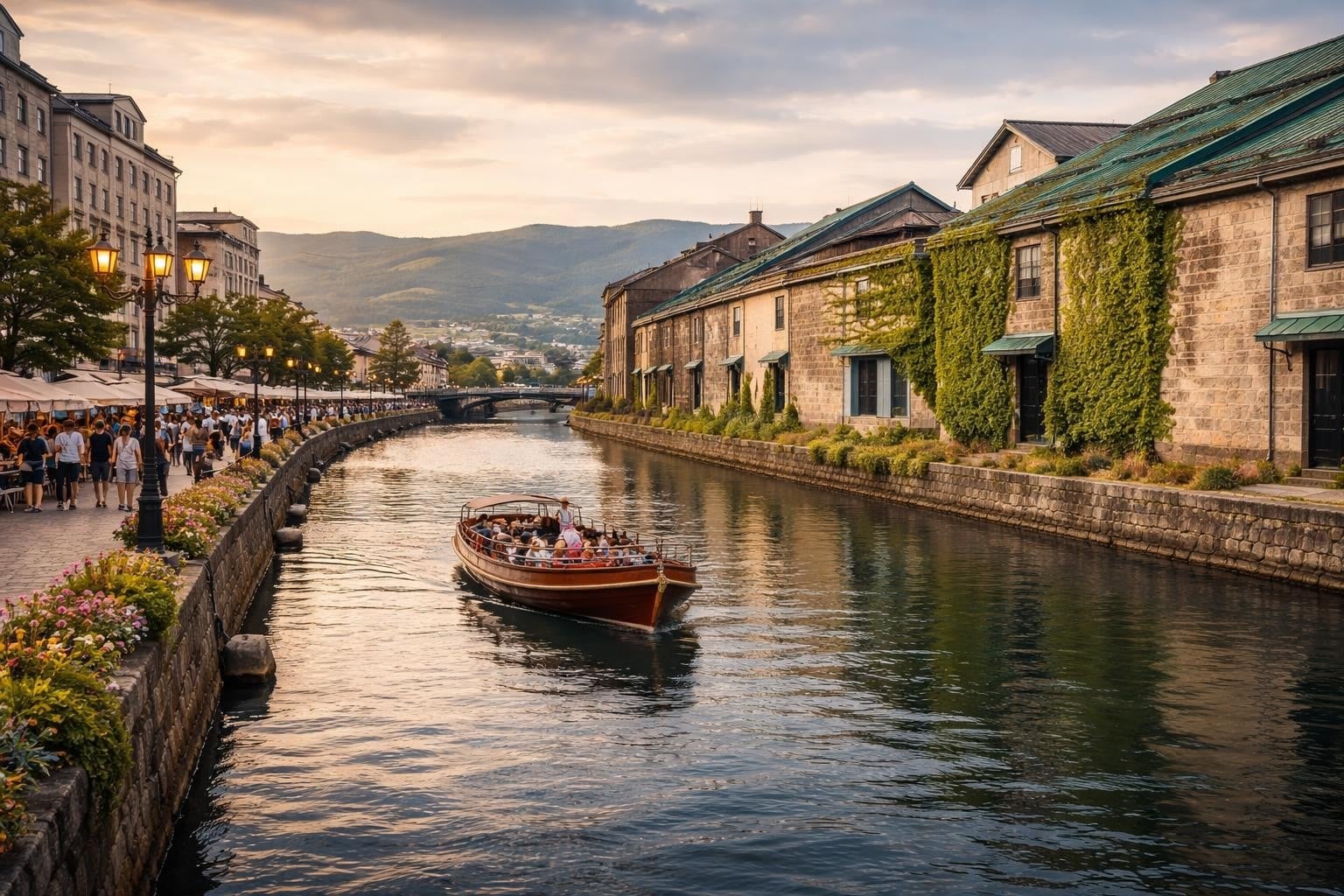
The Otaru Canal is the obvious focal point. No getting around it. Completed in 1923, it was built for work first: moving cargo between ships and the warehouses without wasting time.
Day and Night Canal Atmospheres
Daytime is crisp. Footsteps on stone. You get gas lamps, old masonry, and an easy stroll that’s friendly to cameras and unhurried conversation, especially if you hit the path before the midday wave rolls in.
Night flips the mood. The antique lamps come on, the water turns into a soft mirror, and the architecture looks heavier and more dramatic than it does under sun—we heard a couple ahead of us at 7:30 pm whisper, “This is quieter than Sapporo,” and that felt exactly right.
The canal runs 1,140 meters, and the path keeps the view steady almost the whole way. If you book a premium guided option, it can mean a private photo session, a local historian who knows the odd details, or arranged access to select interiors—useful when the weather turns and you still want the story.
Artisanal Glass and Craft Traditions
Otaru, Hokkaido, is widely known for handcrafted glass. It wasn’t born from romance. It came from practical needs tied to fishing and oil lamps, then grew into an art tradition that rewards slow looking and shokunin patience.
Master Glasswork Studios
There are a lot of studios here. Over 100, by most counts. Some are tiny rooms where the furnace dominates everything; others are bigger galleries that feel almost museum-like, and watching a craftsperson pull and shape molten glass still lands like a minor miracle.
Notable Glass Experiences:
- Private glassblowing workshops with master artisans
- Curated gallery tours featuring museum-quality pieces
- Custom commission services for unique souvenirs
- Historical glass museum exhibitions
Music Box Museums and Specialty Shops
Glass isn’t the only craft thread. Otaru, Hokkaido, also keeps a strong music box tradition, and the Otaru Music Box Museum holds thousands of pieces, from older European imports to newer Japanese work that leans precise and a little whimsical.
It’s not just browsing shelves, either. Visitors can choose parts and build a custom music box, picking from hundreds of melodies and decorative pieces, and if you take your time you start hearing the mechanics under the sweetness—gears, pins, the slight rasp before it settles into tune.
Culinary Excellence in Otaru, Hokkaido
Food here tracks the coastline. Simple. Seafood is central, and Hokkaido’s farm output fills in the rest, so meals often hinge on what is freshest that day rather than what looks best on a printed menu.
Sushi and Seafood Specialties
Otaru’s sushi scene has a serious reputation, often mentioned alongside top spots in Tokyo that source through Tsukiji. The point isn’t hype; it’s geography: fishing grounds are close, and daily catches steer what ends up at the counter.
Signature Seafood Items:
- Sea urchin (uni) harvested from local waters
- Sweet shrimp prized for exceptional flavor
- Seasonal fish, including flounder and herring
- King crab from Hokkaido’s northern coasts
- Scallops are renowned for their sweetness and texture
At a tight omakase counter, the best part is the tempo: one piece, one explanation, then a pause while you chew and the chef resets. Big mistake. Don’t schedule anything immediately after; you’ll want to linger, and rushing that kind of meal feels like wasting omotenashi on purpose.
Sweet Treats and Local Delicacies
Otaru, Hokkaido, also has a strong dessert streak with clear European influence, but the execution is very Japanese in its precision. Along Sakaimachi Street, patisseries lean hard on Hokkaido dairy and whatever fruit is in season, and the smell of butter and warm sugar tends to follow you for blocks.
Le Tao is the best-known local name, especially for double fromage cheesecakes that combine Italian mascarpone with Hokkaido cream cheese. They run several locations, and the small differences between shops can matter if you’re timing a café stop versus a quick takeaway.
| Confection Type | Key Ingredients | Best Season | Recommended Pairing | |---|---|---|---| | Double Fromage | Mascarpone, cream cheese | Year-round | Coffee or tea | | Chocolate | Premium cacao, local cream | Winter | Port wine | | Fruit Tarts | Seasonal berries, custard | Summer | Champagne | | Shiroi Koibito | White chocolate, langue de chat | Year-round | Green tea |
Seasonal Attractions and Events
Otaru changes with the calendar. A lot. Each season shifts the light, the pace, and even what people eat, so planning around weather and crowds can make the difference between a quick look and a stay that sinks in.
Winter Illuminations and Snow Festivals
February is peak winter mood, thanks to the Otaru Snow Light Path Festival. Thousands of snow lanterns and ice sculptures line the canal and older streets, and the cold has a clean bite that makes the warm indoor stops feel earned.
The Otaru Tourism Association runs much of the winter programming, including ice bar experiences, illuminated pathway tours, and seasonal cuisine events that lean into winter flavors rather than fighting them.
Private winter options can mean early access before the public crowd arrives, a heated canal cruise with premium sake tastings, or locked-in restaurant reservations when everything is full and you can feel the city tighten around its peak nights.
Spring Cherry Blossoms and Summer Festivals
Spring is gentler. Pink canopies show up in parks and temple grounds across Otaru, Hokkaido, and Temiya Park and Asari川 are especially good for hanami without the crush you get in larger cities.
Summer brings maritime celebrations: boat races, seafood markets, and music drifting through outdoor venues. Hokkaido summer stays pleasantly cool, which makes walking, snacking, and lingering over dinner much easier than it would be farther south.
Strategic Location and Day Trip Opportunities
Otaru, Hokkaido, sits in a handy spot for short extensions around western Hokkaido. The train ride from Sapporo takes about 40 minutes, which makes day trips easy, but staying overnight changes the feel—the canal after dark, the slower mornings, the emptying streets.
Transportation and Accessibility
Getting in is straightforward. The JR rapid train from Sapporo runs often, seats are comfortable, and the coastal views can be unexpectedly good when the sky is clear. For tighter schedules or specific stops, private car service adds flexibility that trains can’t always match.
The International Information Center helps with directions, bookings, and cultural tips, and multi-lingual staff can step in when a reservation gets tricky or a plan needs reshaping on the fly.
Premium transport can smooth out the edges between stops, especially in winter when timing matters. JRS staffer Nico once rerouted a couple of our guests after a last-minute road closure, and his only comment was, “We’ll still make dinner,” which they did—with five minutes to spare.
Nearby Attractions and Extensions
There’s more close by than people expect. Yoichi, known for whisky distilleries, is roughly 30 minutes away, and the Shakotan Peninsula delivers dramatic coastlines and seafood that tastes like it came straight from the water—because it often did.
Recommended Extensions:
- Niseko ski resorts (90 minutes)
- Yoichi whisky distillery tours (30 minutes)
- Shakotan Peninsula coastal drives (60 minutes)
- Kiroro mountain resort (45 minutes)
Luxury Accommodations and Experiences
Where you stay will shape the trip more than most people admit. Otaru has options that run from historic canal-side properties to newer resorts with onsen, and the right pick depends on whether you want to wake up to water views or disappear into a quieter setting after dinner.
Boutique Hotels and Ryokan
Several properties mix Western-style comfort with Japanese hospitality habits. Expect canal-view rooms in some places, serious bedding, and sometimes private onsen access; breakfast tends to lean local, with shun ingredients presented neatly without overdoing the theatrics.
Ryokan stays push the experience further: tatami rooms, kaiseki dinners, yukata, and staff who remember preferences quickly. It can feel almost uncanny, in a good way, when someone notices you take your tea a certain way and it simply arrives like that the next morning.
Exclusive Access and Private Experiences
Higher-end travel in Otaru, Hokkaido, often means doing standard sights at non-standard times. After-hours museum visits, workshops with master craftspeople, and chef’s table dinners can be arranged so you’re not shoulder-to-shoulder with everyone else, and the conversations tend to be better when the room is quieter.
The emergence as an international tourist destination has broadened premium offerings while keeping a distinctly local tone. The sweet spot is when exclusivity doesn’t feel flashy, just well-managed and respectful of how the city actually works.
Shopping Districts and Artisan Quarters
Sakaimachi Street is the main shopping corridor in Otaru, Hokkaido, with over 100 specialty stores set inside preserved historic buildings. It doesn’t read like a generic retail strip; it skews toward things made by hand, items with provenance, and food you buy because you can smell it first.
Curated Shopping Experiences
A guided shopping walk can help, especially if you care about who made what and why it looks the way it does. A little context turns a purchase into a story, and you’ll often catch details you would have walked past on your own.
Along the street you’ll find glass studios, music box shops, sake merchants, and confectioneries, each with its own quirks. Some private arrangements include early entry, time with an artisan for a focused consult, or a custom commission—useful if you want something specific rather than whatever fits in a suitcase.
Shopping Categories:
- Handcrafted glassware and art pieces
- Music boxes and mechanical instruments
- Local sake and wine selections
- Premium confections and artisan foods
- Vintage goods and antiques
- Traditional crafts and textiles
Cultural Depth and Local Insights
Otaru makes more sense when you look past the headline sights. The city’s identity comes from layered influences—economic booms, hard pivots, and deliberate preservation choices—and that background changes how you read the canal, the warehouses, even the quieter residential blocks.
Heritage Preservation Initiatives
The National Diet Library’s digital exhibition lays out Otaru’s landmarks through historical photos and research materials. It’s a useful reminder that what looks “timeless” now is often the result of very modern decisions about what to save and how to pay for it.
Local groups keep working to maintain architectural integrity while still letting buildings do new jobs. That tightrope—preserve, adapt, don’t sterilize—is part of why the city feels lived-in instead of frozen.
The city’s economic shifts and heritage preservation are often cited as a model because they show a realistic path: old commercial infrastructure can become cultural capital without erasing its original shape or purpose.
Contemporary Life and Community
Step away from the main corridors and you hit normal neighborhoods where daily routines keep going with only light tourist spillover. Markets, small cafés, community spots—the kind of places where you’re less likely to take photos and more likely to pay attention.
The balance between tourism and community life is touchy. Residents want the economic lift, but they also want their city to remain theirs, and visitors who notice that tension tend to behave more gently—lower voices, fewer blocked doorways, more patience.
Planning Your Otaru Hokkaido Journey
Good planning here is mostly about trade-offs. Season, interests, and how deep you want to go all matter, and while a day trip from Sapporo can cover the highlights, an overnight gives you the calm hours when Otaru feels most like itself.
Timing and Duration Recommendations
Seasonal Considerations:
| Season | Highlights | Considerations | Ideal Duration | |---|---|---|---| | Winter | Snow festivals, illuminations | Cold weather, crowds | 2-3 days | | Spring | Cherry blossoms, mild weather | Variable temperatures | 1-2 days | | Summer | Festivals, outdoor dining | Peak tourism season | 2 days | | Autumn | Foliage, harvest cuisine | Pleasant conditions | 1-2 days |
For a first visit, one full day usually covers the essentials: canal district, Sakaimachi shopping, and dinner at a top sushi counter. Add another day and you can slow down for museums, longer craft time, and nearby excursions without turning the schedule into a checklist.
Customizing Your Experience
Tailored trip design helps when you know what you care about most, whether that’s food, cultural immersion, shopping, or photography. Otaru, Hokkaido, is compact, but it isn’t shallow, and specialized interests tend to be rewarded if you give them room.
Private guides can add the missing texture: why a building looks the way it does, how a craft is priced, what’s considered polite at a counter, when to arrive so you’re not stuck in the crush. Small human cues like that change the whole day.
Otaru, Hokkaido, is one of those places that feels manageable yet layered, especially if you like craftsmanship, port history, and meals built around what’s genuinely in season. The city’s shift from commercial port to cultural destination shows how preservation can create a livable present, and for travelers planning Hokkaido, Japan Royal Service can design bespoke Otaru experiences with private transportation, arranged artisan access, dining reservations, and itineraries that reveal less obvious corners beyond standard tourist routes.