Stays
Nikko & Beyond In Quiet Luxury: A Discreet, Craft-Led Escape With Japan Royal Service
Plan Nikko beyond the day-trip crowds: UNESCO temples, Lake Chūzenji calm, and craft-led detours—guided with discretion by Japan Royal Service.
Nikko is easy to “do” in a day. It is also easy to do badly.
Most visitors arrive late, follow the loudest path, and leave with photos but little feeling. Crowds compress the sacred into a checklist. The drive back to Tokyo becomes the longest part of the memory.
Our team at Japan Royal Service plans Nikko differently. We treat it as a corridor into Hidden Japan—where timing, silence, and introductions matter, and where a single unhurried hour can feel more rare than a full itinerary.
Why Nikko Still Works For High-Net-Worth Travelers
Nikko sits about two hours from central Tokyo by road, depending on traffic and pickup location. Close enough for a reset. Far enough to feel like a different register of Japan.
Yes, it has headline sites. But the real value is contrast: cedar-shadowed sanctuaries, cool mountain air, and water moving through basalt. Different pace. Different posture.
For HNW travelers, Nikko is also practical. You can pair it with Tokyo without changing hotels, or you can slow down with one night near Lake Chūzenji for a cleaner, calmer rhythm.
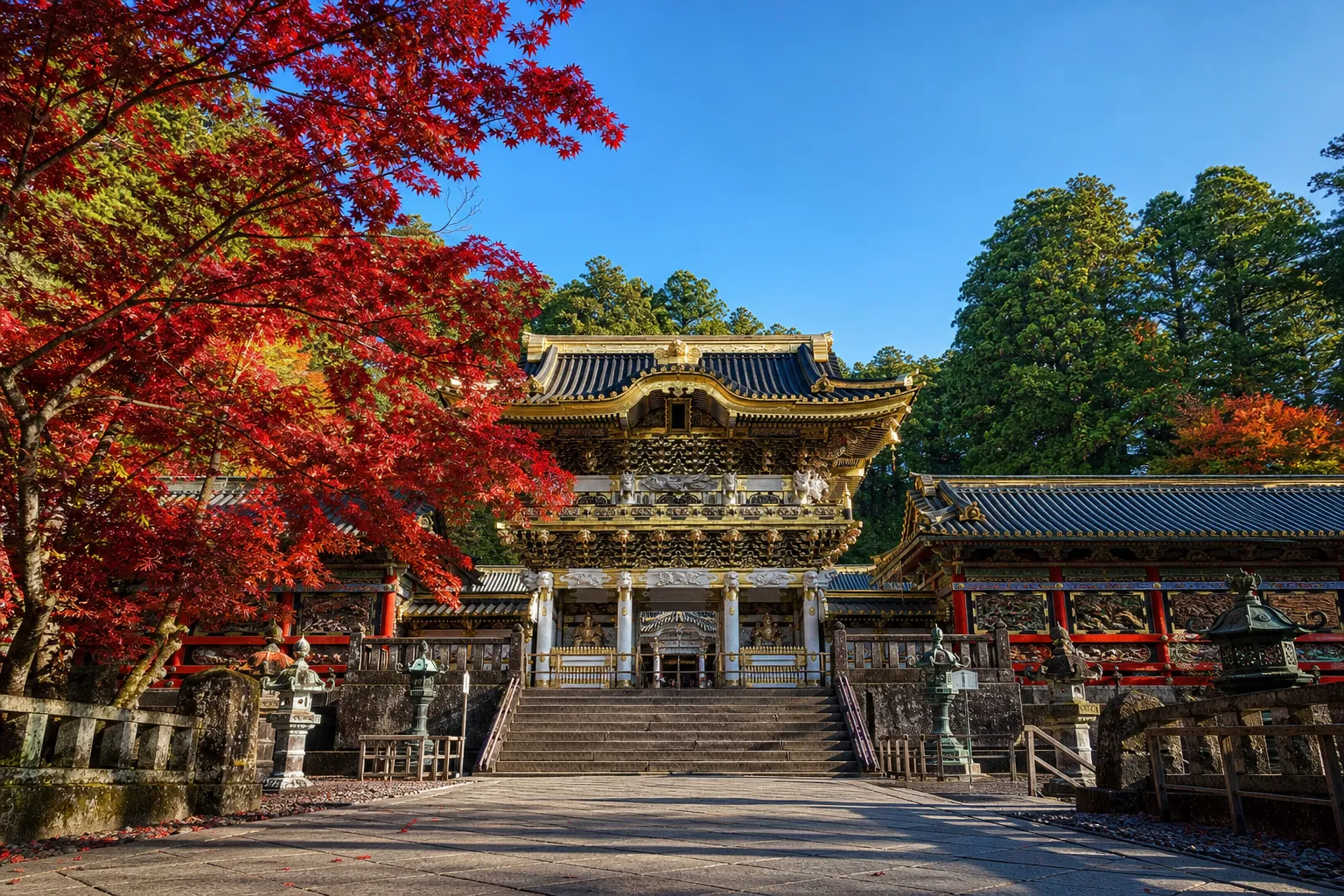
Arrive early and the shrine complex feels composed, not congested.
Nikko’s Imperial And State-Guest History, Without The Noise
Nikko is not “just” scenic. It is formal Japan, expressed in wood, lacquer, and controlled symbolism. That matters when you want cultural weight, not entertainment.
Nikkō Tōshō-gū is a UNESCO World Heritage Site and the most visited complex in the area, so crowd choreography becomes the entire game. Early arrival changes everything. Big difference.
We often suggest adding nearby World Heritage sites—Futarasan-jinja and Rinnō-ji—instead of spending the whole visit in one congested pocket. The details become legible again. Your guide can speak at a normal volume.
Key fact: The “Shrines and Temples of Nikkō” (including Nikkō Tōshō-gū, Futarasan-jinja, and Rinnō-ji) are part of UNESCO’s World Heritage listing.
What “Imperial-Class” Feels Like In Nikko
It is not velvet ropes. It is calm authority: carved gates, formal approach routes, and spaces designed for state-scale ceremony.
In our experience, the most “luxurious” moment here is not a photo spot. It is standing still long enough to notice how sound changes under the cedars, then stepping away before the next tour wave arrives.
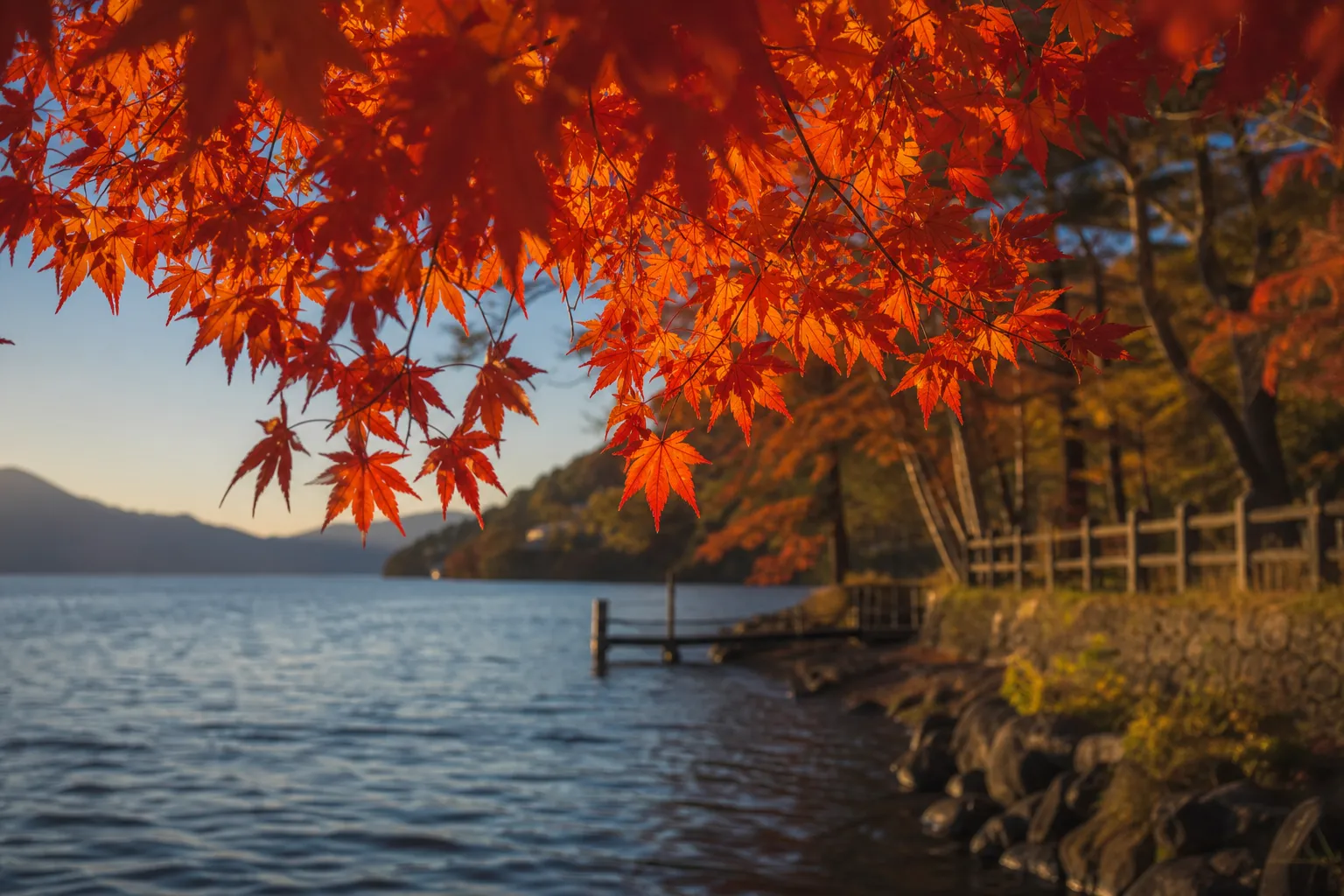
One night near the lake changes the pace of the entire region.
Hidden Japan Around Nikko: Where The Day-Trip Crowds Don’t Go
Nikko’s greatest advantage is what sits just beyond the standard loop. People rush past it. Perfect.
Lake Chūzenji and Kegon Falls are well known, but timing matters. Go when the lake is quiet and the air is sharp. The water feels like architecture.
For a deeper “beyond” day, the Senjōgahara Marshland in Nikkō National Park offers wide, clean walking paths and long sightlines. It is not difficult hiking. It is breathwork with scenery.
Option A: Nikko As A Precise Day Trip From Tokyo
This is the right choice when your Tokyo calendar is full and you want one clean escape. No repacking. No hotel change.
- Best for: first-time visitors to Nikko, business travelers, families with limited flexibility
- Texture: sacred architecture, short nature interludes, a controlled lunch window
- Watch-outs: weekends and public holidays can change the entire feel
Option B: Nikko With A One-Night Reset Near Lake Chūzenji
This is the quiet move. One night creates space for unhurried morning light and an evening that does not collapse into a return drive.
- Best for: couples, friends traveling together, travelers who value mood over volume
- Texture: lake air, onsen time, earlier access to key sites
- Watch-outs: winter road conditions can affect timing; we plan conservatively
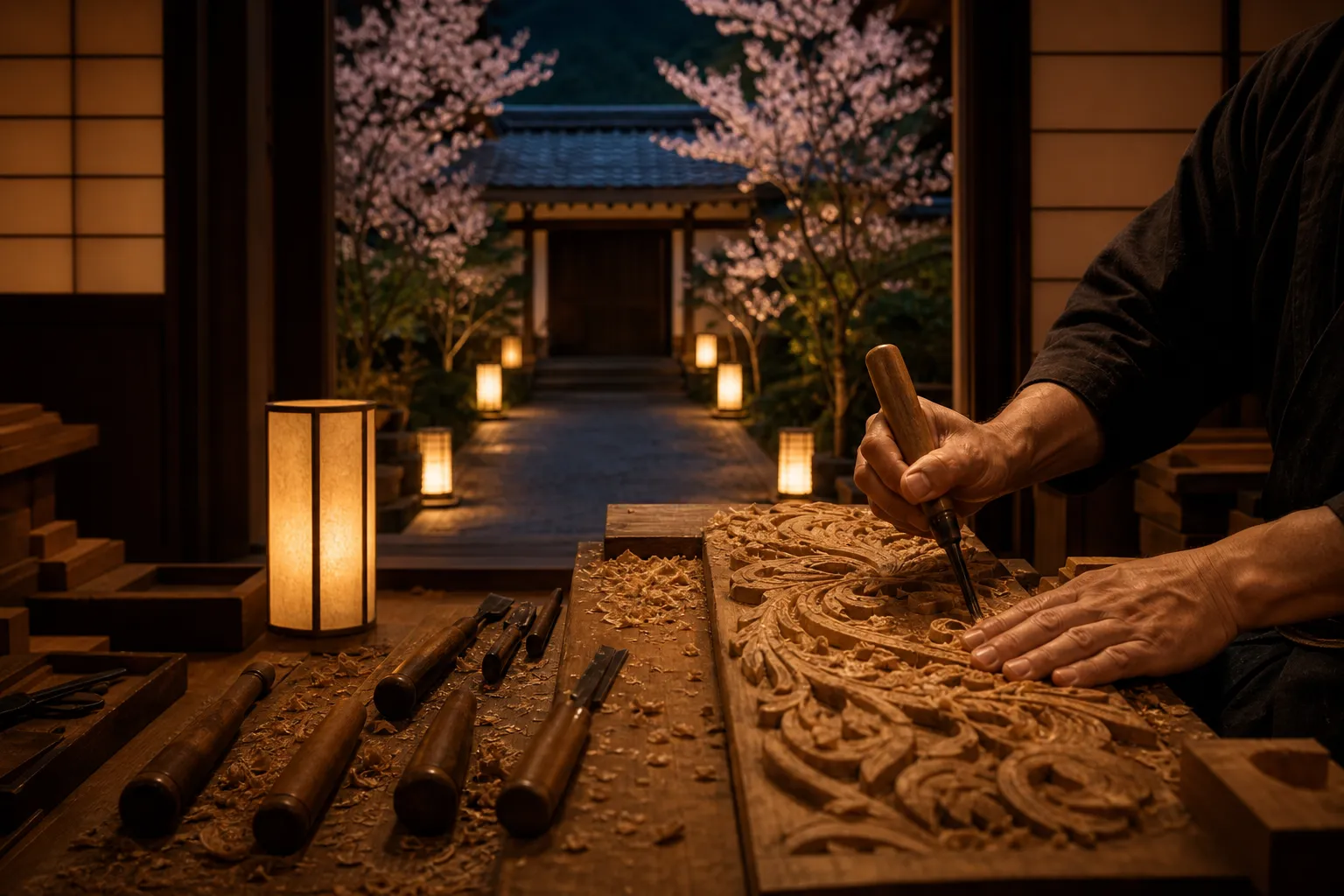
Craft feels different when it is small, specific, and unhurried.
Shokunin Encounters Near Nikko: Craft That Doesn’t Feel Like A Demonstration
Nikko is one of the strongest regions in Japan for craft with lineage. It can also become tourist theater if you choose the wrong setting. Awkward.
A better approach is to keep the encounter small, specific, and tied to place. In Tochigi Prefecture, crafts such as Nikkō-bori (traditional wood carving) are part of the region’s identity, and Mashiko ware ceramics in nearby Mashiko are internationally known.
Our team at Japan Royal Service can advise on how to experience shokunin culture with proper manners and pacing. Guests who want deeper access can contact our concierge for tailored guidance and private coordination.
Mashiko (Tochigi) As A Serious Add-On For Craft-Forward Travelers
Mashiko is a real working pottery town. You see kilns, studios, and galleries because that is what the place is. No costume required.
If you care about objects—teabowls, tableware, clay glazes that look different in morning light—Mashiko can be the strongest “beyond Nikko” pivot. It also pairs naturally with a restrained, wabi-sabi design lens.
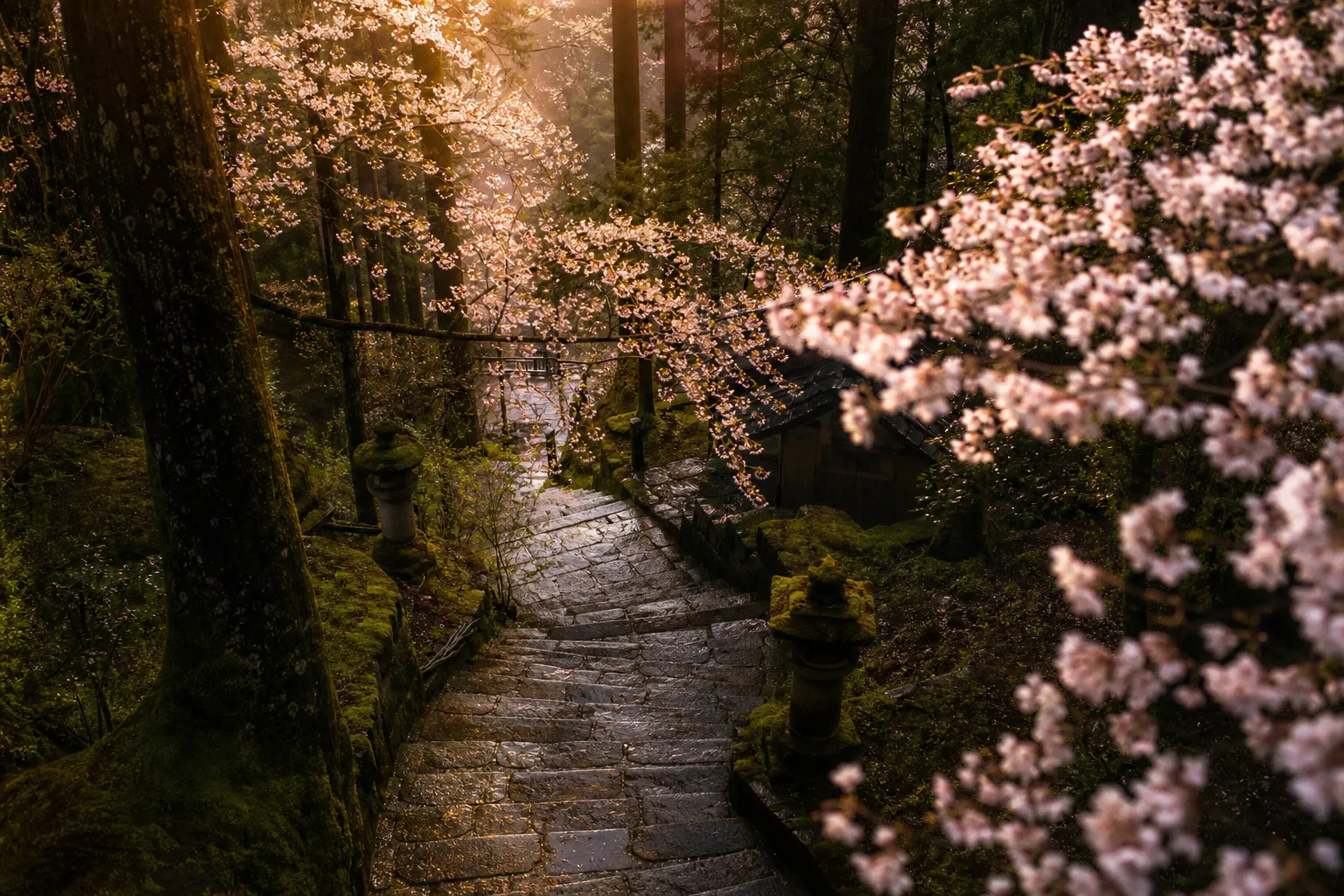
Nikko’s luxury is restraint: patina, weather, and silence.
Wabi-Sabi In The Nikko Region: Restraint, Weather, And Silence
Some destinations sell shine. Nikko sells patina.
Think moss on stone, cedar bark darkened by rain, and the way mountain mist erases edges. That is wabi-sabi in practice. No lecture needed.
This matters for luxury travelers because it resets the senses. You stop chasing highlights. You start noticing temperature, shadow, and the pace of your own steps.
Seasonal Timing (Shun) That Actually Changes The Experience
In Nikko, season is not a marketing line. It decides visibility, traffic, and even sound.
Autumn foliage in the Nikko area is famous, and the roads can become busy during peak color. That is not a reason to avoid it. It is a reason to design the day with earlier starts and fewer bottlenecks.
Winter can feel almost private, with crisp air and fewer visitors, but weather becomes a planning variable. We build in margins, not bravado. Smart.
Quick Season Guide For Nikko (Practical, Not Poetic)
- Spring: fresh greens and comfortable walking; crowds increase around holidays
- Summer: cooler than Tokyo at altitude; weekends can be dense
- Autumn: foliage draws heavy demand; timing and route choice matter most
- Winter: quieter feel; plan around daylight and road conditions
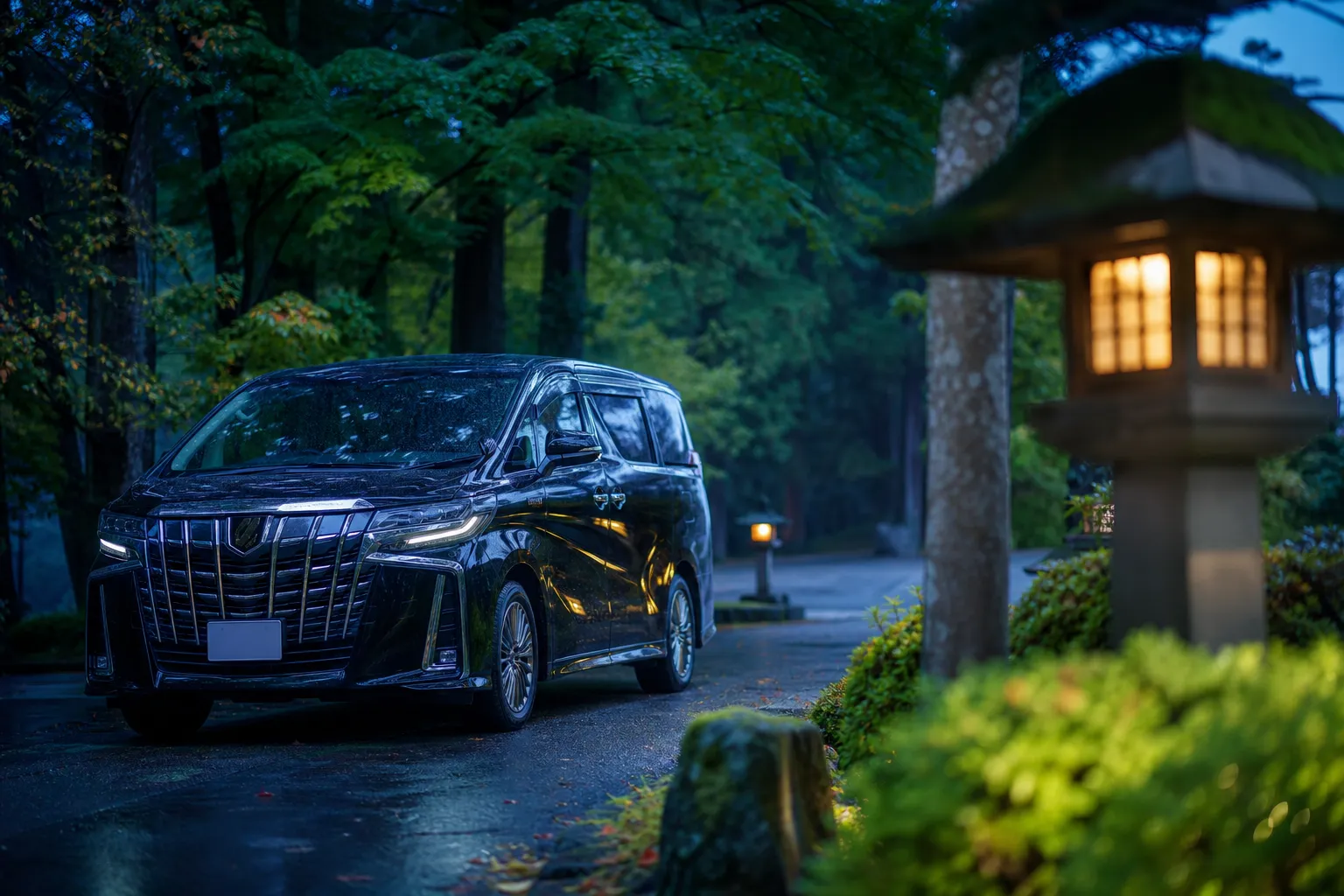
Control the day with early departures and flexible routing.
Getting There In Quiet Comfort: Chauffeured Control Over The Day
Nikko rewards early movement and precise sequencing. Public transport works, but it forces you into the same timing as everyone else. You feel it immediately.
Many HNW travelers prefer a private vehicle and chauffeur so the day stays calm, especially if you are traveling with family, carrying purchases, or simply want to keep the tone consistent from hotel lobby to temple gate.
Japan Royal Service provides private chauffeured day tours in the Nikko region, with vehicle options that fit the trip’s purpose. For example, a Toyota Executive Alphard is often a strong fit for families and executives, while a Lexus LM 500 sits at the flagship end of the spectrum for those who want the most quiet, cocooned cabin experience.
What HNW Guests Usually Underestimate
Tokyo departure time. That is the lever.
Leave late and you inherit the queues at Nikkō Tōshō-gū, then you rush lunch, then you “see” Kegon Falls with a crowd at your shoulders. Leave early and the same sites feel composed, even on a popular day.
Where Nikko Fits In A Longer Itinerary (Tokyo, Hakone, Tohoku)
Nikko is a flexible hinge. It can sit after Tokyo as a decompression day. It can also be a bridge into the north if you want cooler landscapes and fewer headline crowds.
Tokyo + Nikko is the cleanest combination for first-time visitors who still want depth. Nikko + Tohoku can work for repeat visitors who want rural texture without going fully remote.
We avoid forcing Nikko into a route that fights your priorities. If food is your anchor, we design around meal timing. If architecture is the anchor, we protect your mornings.
How To Book Nikko Sites And Plan Around Official Rules
Many Nikko highlights are religious sites open to visitors with posted hours and admission rules on-site. Some areas can be temporarily restricted for ceremonies, conservation, or weather-related safety. It happens.
For rail travel, travelers can purchase tickets via official railway channels (online and in-station), and IC cards can cover parts of Tokyo transport but not every intercity segment. If you plan to drive, check official road and weather advisories during winter.
If you are deciding between a day trip and an overnight, look at your Tokyo calendar first, then decide the tone you want. For questions, contact our concierge.
Nikko Etiquette That Keeps The Day Polished
Nikko’s shrines and temples are living places, not sets. A few small habits preserve the mood.
Speak softly inside gates and halls. Keep your phone away during prayers. If an area is marked as restricted, treat it as final, not negotiable.
When you walk through torii gates or along approach paths, avoid blocking the center line where possible. It is a simple gesture, and it changes how you feel in the space.
FAQ: Nikko In Luxury, Without The Guesswork
Is Nikko Worth It If I’ve Already Been To Kyoto?
Yes, because Nikko reads differently. Kyoto is urban heritage. Nikko is mountain heritage, with a stronger sense of controlled approach and cedar-heavy atmosphere.
Can Nikko Be Done Comfortably As A Day Trip?
Yes. Many travelers do it in one day, especially from Tokyo. Comfort depends on departure time and how many zones you try to cover in one loop.
What Are The Must-See UNESCO Sites In Nikko?
Nikkō Tōshō-gū, Futarasan-jinja, and Rinnō-ji are part of the UNESCO World Heritage listing for the “Shrines and Temples of Nikkō.”
When Is The Best Time To Go To Nikko?
It depends on what you want: cooler summer air, autumn foliage, or winter quiet. We usually plan around your tolerance for crowds and your ideal walking weather.
Do I Need A Guide In Nikko?
You can visit independently. A strong guide changes the day by translating symbolism, keeping timing sharp, and helping you avoid the most congested sequences.
Can Japan Royal Service Help With Nikko Planning?
Yes. Our team at Japan Royal Service can provide tailored guidance and private chauffeured touring in the region, and we can advise on cultural pacing, etiquette, and route design. For private coordination, reach our team directly via WhatsApp or the contact form.
Why Choose Japan Royal Service
Luxury in Nikko is not a bigger itinerary. It is a cleaner one.
Japan Royal Service is built for travelers who value discretion, cultural depth, and the Japan that Google cannot really surface—Hidden Japan that appears through timing, introductions, and watchful planning. We design days around shokunin craft encounters, imperial-class atmosphere, and the wabi-sabi restraint that makes Nikko feel like a true reset, not a crowded detour.
We also protect privacy as a default. No public sharing. No performative fuss. Just calm execution and a consistent standard from Tokyo pickup to the last quiet step under cedar shade.
Ready to plan Nikko & beyond? Contact Japan Royal Service via japanroyalservice.com or message our concierge for a private, tailored proposal.