Culture
Elevated Travel: The Best of Nagano City Culture and Luxury
Explore Nagano City Japan's temples, mountain scenery, and culinary heritage. Discover luxury experiences in this historic Alpine destination.
Set high in the Japanese Alps. Nagano City mixes temple quiet, mountain air, and artsy corners in a way that feels lived-in rather than staged for visitors, and that contrast is exactly what pulls people back. As Nagano Prefecture’s capital, it caught global attention by hosting the 1998 Winter Olympics. Older still. Its story runs back more than 1,400 years, anchored by a temple with deep weight and steady foot traffic. If you want Japan with breathing room—less neon crush, more mornings that start with incense and a cold breeze—the city gives you Buddhist tradition, clean alpine scenery, and serious cooking, plus the kind of comfort that doesn’t shout.
Historical Significance and Cultural Heritage
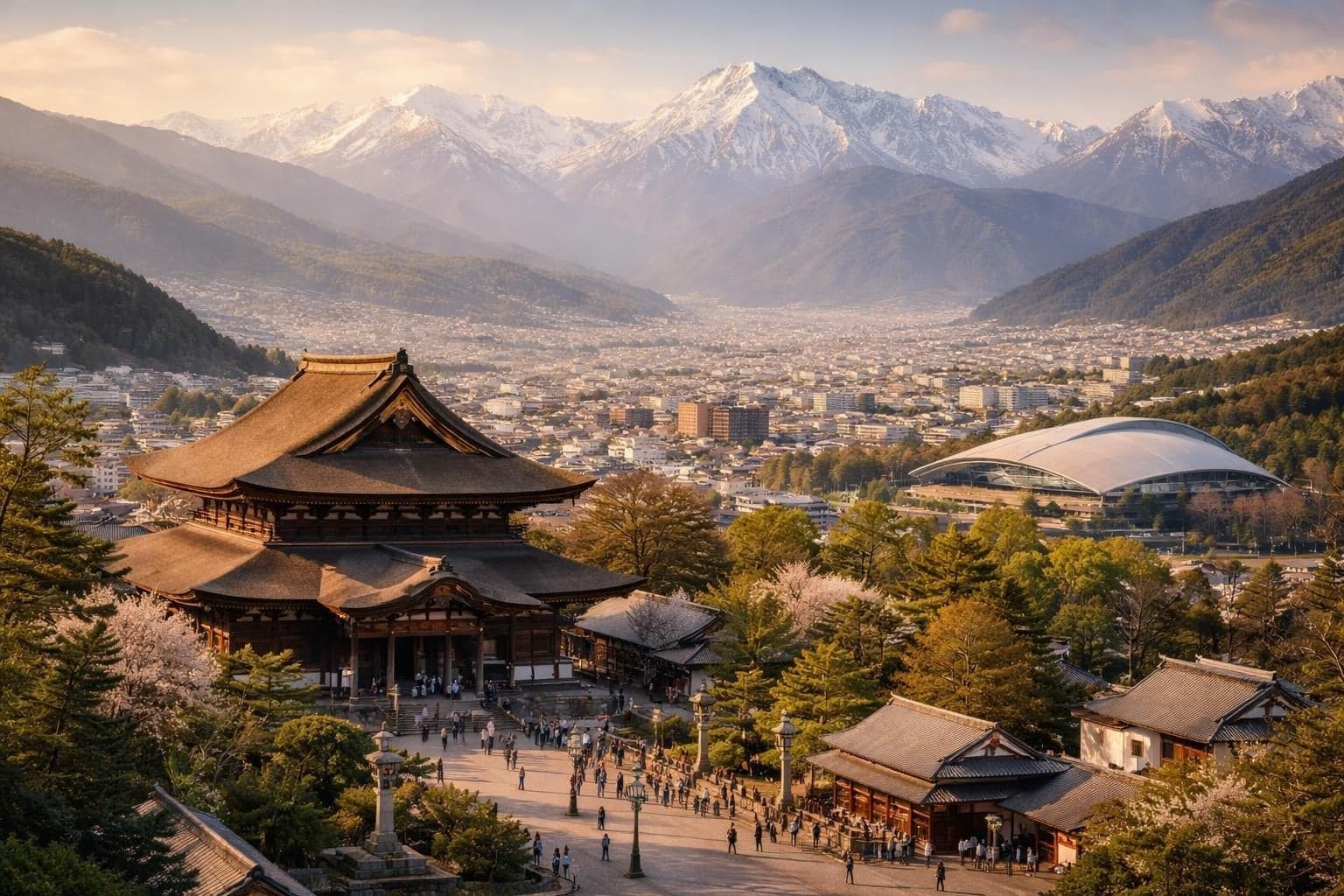
Everything seems to orbit Zenkō-ji Temple. The city’s spiritual pulse is loud in its own quiet way, and it’s one of Japan’s key Buddhist pilgrimage stops. Founded in the 7th century, it welcomes over six million visitors a year, many coming to pay respects to the Ikko-Sanzon Amida Nyorai—said to be the first Buddhist statue brought to Japan.
The main hall is huge. National Treasure status fits, not as a slogan but because it has outlasted disasters and political swings that flattened plenty of other buildings. Then there’s the Okaidan Meguri, the underground passage: pitch-black, hand sliding along the wall, steps turning cautious because you can’t see your own feet, and that unease is the point—an embodied hint at the path toward enlightenment. Worth it.
Temple Town Atmosphere
Nakamise-dori leads you in. It still reads like a temple town, with the street kept tidy enough to feel intentional but not so polished that it loses its grit. Along the pedestrian approach you’ll find:
- Family-owned shops selling handcrafted Buddhist goods and local specialties
- Traditional ryokan and machiya townhouses converted into boutique accommodations
- Artisan workshops where craftspeople maintain centuries-old techniques
- Tea houses serving regional confections and matcha in authentic settings
The neighborhood surrounding the temple maintains strict architectural guidelines, so newer signs and storefront updates don’t clash with the older look. Small rule, big effect. It’s easier to sink into the atmosphere when the street hasn’t been chopped up by mismatched facades, and you can still retreat to modern comforts after a long, slow wander.
Art Museums and Cultural Institutions
The city also does museums well. Not flashy, just solid—places where you can spend an hour or three without feeling rushed. The Nagano Prefectural Art Museum reopened in 2021 after major renovations, with expanded galleries and visitor spaces that feel as polished as big-city institutions.
Its collection leans into artists tied to the prefecture, including meaningful works by Shinzan Ogiwara, an early Western-style sculptor. The building sits alongside Joyama Park, and the connection feels natural: you can step from gallery light to outdoor air without that abrupt “museum exit” jolt, especially on a cool afternoon when the trees are moving a little.
Notable Museum Collections
| Museum | Specialty | Highlight | |---|---|---| | Kitano Museum of Art | Japanese garden design | Mirei Shigemori landscape | | Shinano Art Museum | Regional artists | Local contemporary works | | Museum of History | Archaeological finds | Jōmon period artifacts |
The Kitano Museum of Art is the one people keep mentioning for good reason. Its Japanese garden was designed by Mirei Shigemori, and you can see the shakkei idea—borrowed scenery—working in real time as the distant mountains get “pulled” into the composition, like the garden is quietly cheating in extra space. Come in different seasons and it reads differently; spring feels crisp, autumn feels heavier, and winter turns the shapes more graphic.
Seasonal Natural Beauty
Nagano’s elevation does the talking. One month you’re under cherry blossoms in city parks, and later you’re watching the surrounding mountains shift into reds and golds that look almost too saturated when the sky is clear. Short drives change the temperature fast, which is oddly satisfying if you’ve been sweating in lower areas.
Winter transforms the city into a gateway for world-class skiing, with several renowned resorts reachable within about an hour by car. That Olympic build-out from 1998 wasn’t just for show; it left behind transport and facilities that still handle crowds, gear, and schedules with a steady hand.
Mountain Access and Outdoor Experiences
The Japanese Alps open up a lot of options, and you can tune the day to your pace:
- Private guided hikes through alpine meadows with expert naturalists
- Exclusive access to traditional mountain lodges serving kaiseki cuisine
- Hot spring experiences in secluded onsen with mountain vistas
- Wildlife observation programs focusing on endemic species
- Photography expeditions capturing seasonal landscapes with professional guidance
Summer stays surprisingly comfortable thanks to the altitude. Even in peak season, the heat is less sticky than lower-elevation destinations, so a midday walk around town doesn’t feel like a slow battle against humidity. Big mistake. Try it without water and you’ll still regret it.
Culinary Excellence and Local Specialties
Food here tracks the terrain. Buckwheat does well in the highland climate, which is why soba matters so much, and you’ll notice how serious some shops are about it—daily hand-cut noodles, flour dust in the corners, shokunin focus that’s more quiet pride than performance. If you’re the type who plans a day around lunch, this is a friendly city.
Oyaki is the other local staple people talk about, and it’s easy to understand why once you bite in. These savory dumplings, filled with seasonal vegetables, wild plants, or mountain vegetables, began as practical winter food. Now you’ll see versions that keep the old idea intact while polishing the technique, leaning into shun ingredients when they’re at their best.
Premium Sake Production
Water is a big deal in Nagano, and you can taste why in local sake. Snowmelt from the Alps feeds clean water sources that breweries rely on, and several spots around the city will arrange private tastings where the brewer doesn’t just recite facts—they’ll pause, pour, and let you sit with the aroma for a beat before explaining what you’re meant to notice.
| Sake Characteristic | Nagano Advantage | |---|---| | Water quality | Pure alpine snowmelt | | Rice cultivation | Highland terroir | | Temperature control | Natural cool climate | | Brewing tradition | Generations of expertise |
Many places like to pair sake with kaiseki that spotlights seasonal ingredients from nearby farmers and foragers. The best meals feel balanced rather than showy—clean flavors, careful pacing, and plating that nods to wabi-sabi instead of chasing perfection for its own sake. One JRS staffer, Nico, once nudged a guest to wait until the second sip before judging a junmai, and the guest quietly said, “Oh—now I get it,” like a switch flipped.
Winter Sports Legacy
The 1998 Winter Olympics changed how people abroad picture Nagano. It’s still a recognized winter-sports hub, and the venues built for the Games continue to welcome athletes and regular visitors, kept up to Olympic standards with modern facilities.
M-Wave, the speed skating venue, is known for being extremely fast and it opens for public skating when competitions aren’t on. The suspended roof is the visual signature—hard to miss—and it’s become one of those modern landmarks you end up using as a directional cue when you’re talking with a driver.
Luxury Winter Experiences
Winter isn’t only about arenas and timing boards. For travelers who want comfort wrapped around the cold, the season can include:
- Private ski instruction at exclusive resorts with bilingual guides
- Helicopter access to backcountry terrain for expert skiers
- Après-ski experiences in intimate venues featuring local craft beverages
- Snow country cultural programs, including traditional craft workshops
- Luxury lodge accommodations combining Western comfort with Japanese aesthetics
What separates Nagano from many Western winter stops is the mix: you can ski hard, then pivot into temple culture or a quiet onsen evening without feeling like you’ve switched countries. It’s an unusual pairing, and it works.
Accommodation Excellence
Staying options range from traditional ryokan to contemporary high-end hotels, and the difference isn’t just décor. Ryokan near Zenkō-ji offer tatami rooms, kaiseki dinners, and communal bathing in natural hot springs, which can feel like a reset if you’ve been bouncing between big cities and business hotels.
Modern luxury hotels keep international expectations in mind while still echoing local design cues. Many include private onsen, so you can soak without worrying about public-bath etiquette on day one—especially nice after arriving on a late train.
Traditional Ryokan Features
A premium ryokan stay tends to include moments that stick:
- Omotenashi hospitality delivered by dedicated staff trained in traditional service
- Seasonal kaiseki cuisine prepared by skilled chefs using local ingredients
- Onsen bathing rituals in waters sourced from natural hot springs
- Architectural appreciation of traditional building techniques and materials
- Cultural activities, including tea ceremony, ikebana, or calligraphy
Smaller properties can feel more personal. A host remembers how you take your tea, or notices you’ve been out in the cold and quietly suggests an earlier bath slot, and that kind of human attention is hard to replicate at scale.
Transportation and Accessibility
It’s not remote in the frustrating way. The Hokuriku Shinkansen reaches Tokyo in about 80 minutes, so you can pair capital time with a mountain break without turning travel day into the whole day.
Premium transportation options go beyond standard rail seats. Private car service with a professional chauffeur can handle transfers from Tokyo or other departure points, with vehicles set up to comfort-focused expectations. It removes the mental load of unfamiliar transit, and it also gives you freedom to pause for a viewpoint, a roadside shop, or a quick coffee if the timing feels right.
Regional Exploration Advantages
Nagano works well as a base for exploring Nagano Prefecture's spread of attractions, from castle towns to quieter mountain villages. Easy day trips include:
- Matsumoto and its National Treasure castle
- Obuse, famous for chestnuts and traditional townscapes
- Jigokudani Monkey Park, home to snow monkey hot spring bathing
- Karuizawa, an elegant mountain resort town
- Historic post towns along the Nakasendo trail
Premium travel services can set these up with guides who don’t just point—they explain why a detail matters, and they smooth out the small frictions like ticket timing, local etiquette, and where to stand so you’re not blocking someone’s prayer.
Shopping and Artisan Crafts
Shopping here isn’t limited to “souvenir shelf” stuff. Nagano supports many traditional craft lines, and you’ll meet makers who treat technique as daily practice rather than branding. If you like objects with a story you can actually trace, this is fertile ground.
Woodworking traditions are strong in nearby mountain communities, ranging from practical kitchen tools to sculptural pieces. Lacquerware makers keep Edo-period methods alive, but the designs aren’t stuck in the past; some feel surprisingly modern once you hold them and see the finish catch light.
| Craft Category | Notable Products | Shopping Venues | |---|---|---| | Textiles | Hand-dyed fabrics, woven goods | Specialty boutiques | | Ceramics | Functional pottery, tea ceremony wares | Artist studios | | Woodwork | Furniture, utensils, decorative items | Craft galleries | | Paper goods | Washi paper, stationery | Traditional shops |
Many workshops allow visits for demos and hands-on sessions, so you can watch how a raw slab or wet clay becomes something finished—slowly, with corrections and small pauses. That access changes the way you look at the final piece, because you’ve seen the work, not just the price tag.
Religious Festivals and Cultural Events
The local calendar is busy. Not every event is for outsiders, but many are welcoming if you show up politely and follow the flow. The Gokaicho, held once every seven years at Zenkō-ji Temple, is among Japan’s most significant Buddhist ceremonies; a replica of the hidden principal image is displayed, and the scale of pilgrimage is massive.
Monthly morning markets near the temple turn ordinary weekends into community gatherings. Farmers, craftspeople, and food producers sell directly, and you’ll hear quick exchanges over prices and freshness—someone laughing, someone saying “kore, asa ichiban,” like it’s a small brag about being first of the morning.
Annual Event Highlights
Across the year, Nagano City, Japan, hosts events that show different sides of local tradition:
- Spring: Cherry blossom viewing in historic parks with traditional tea ceremonies
- Summer: Bon dance festivals honoring ancestral spirits with community participation
- Autumn: Harvest celebrations featuring new crop tastings and cultural performances
- Winter: New Year celebrations at Zenkō-ji with midnight bell ringing ceremonies
Curated arrangements can make attendance smoother—timed entry, better sight lines, less waiting—while still keeping the experience respectful. Comfort helps, but the atmosphere is what you remember.
Contemporary Urban Development
Nagano keeps one foot in the past and one in the present, and it usually does it with restraint. Recent planning has leaned toward walkable streets, sustainable transport, and building rules that keep new construction from clashing with the older look.
The city's compact core makes exploring feel simple. You can cover key sights on foot, stumble into side streets, and end up noticing normal neighborhood life—kids on bikes, a shop owner sweeping the threshold—without spending half the day decoding transit maps.
Shopping areas blend familiar international brands with independent local businesses. That mix matters: it keeps the city practical for residents, while still giving visitors the conveniences they expect when they’re tired, hungry, or short on time.
Wellness and Spiritual Practices
Mountain air plus hot springs plus Buddhist heritage makes this a strong pick for wellness-focused travel. It’s not only massages and lotions; the setting encourages slower mornings, earlier nights, and mental quiet that can feel rare.
Temple lodging experiences, known as shukubo, let guests join morning prayers, try meditation, and eat vegetarian meals shaped by Buddhist dietary principles. It’s immersive, sometimes challenging in small ways (early wake-ups, simpler meals), and it offers a real window into monastic rhythm while supporting temple communities.
Private yoga and meditation sessions that borrow from Zen ideas can be arranged for a more personal program. Some are held in places that naturally settle you—temple gardens, quiet rooms, or mountain retreats where the silence does half the work.
Hot Spring Therapeutic Benefits
People have trusted onsen for centuries. The mineral makeup varies by source, and locals often have strong opinions about which water “fits” which complaint:
- Alkaline springs soften skin and promote relaxation
- Sulfur springs address respiratory and skin conditions
- Iron-rich springs improve circulation and reduce fatigue
- Carbonate springs enhance cardiovascular function
Higher-end onsen facilities often include private options, which helps if you’re easing into bathing customs or simply prefer quiet. You still get the authentic water and the ritual—just with a door you can close.
Educational and Cultural Programs
If you want to go deeper than sightseeing, the city offers classes taught by local specialists. Options range from half-day tasters to multi-day programs, depending on how much time you can spare and how seriously you want to practice.
Calligraphy instruction with accomplished artists can be surprisingly physical—wrist angle, breath timing, pressure changes—while also being quiet and inward. You learn how brushwork, composition, and focus meet in each character, and you leave with something you made, not just something you bought.
Tea ceremony sessions can move beyond quick demonstrations, especially when led by licensed instructors from established schools. They explain the meaning behind gestures and choices—room layout, utensil selection, seasonal shifts—so the choreography stops looking decorative and starts feeling logical.
Culinary Education Opportunities
Regional cooking classes put technique in your hands and context in your head:
- Soba noodle making from buckwheat milling through hand-cutting
- Oyaki preparation, including dough mixing, filling creation, and cooking methods
- Miso production explores fermentation processes and flavor development
- Kaiseki composition, learning seasonal menu planning, and plating aesthetics
- Sake appreciation guided by certified sommeliers explaining production and pairing
These sessions stick because they’re physical and a little imperfect—hands too sticky, cuts not even, the first attempt slightly off. Then you improve, and that improvement follows you home.
Nagano, Japan, pairs spiritual depth with mountain scenery and culture you can touch, taste, and actually spend time with. Some people come for temple history, others for alpine views or craft traditions, and plenty come back because the food and onsen routines make the days feel gentler. Japan Royal Service plans bespoke itineraries across Nagano and the rest of Japan, arranging luxury transport, skilled local guides, and access to cultural experiences shaped around what you genuinely care about—not what a template says you should. Tell our team what kind of days you want, and we’ll build the details around that.