Cities
Hidden Luxury: Nara's Best 2026 Night Guide
A one-night luxury Nara itinerary for 2026—lantern festival dates, UNESCO sites, responsible etiquette, and the new Nara Prison Museum opening to plan around.
Most travelers treat Nara as a box to check off between Kyoto and Osaka—a few hours with the deer, a glimpse of the Great Buddha, and gone by sunset.
That is exactly why Nara feels different when you stay the night. The crowds thin. The cedar shadows lengthen. The city you came to see finally arrives.
This is the one-night Nara itinerary our concierge team at Japan Royal Service most often recommends for 2026—built around timing, restraint, and the kind of quiet access that turns a day trip into a chapter.
Why Nara Deserves More Than a Day Trip
Nara is a city where wabi-sabi is not a design trend. It is an atmosphere. Moss-dark stone. Cedar shadows. The soft order of temple precincts that ask you to slow down.
For our discerning guests, the upgrade is never “more.” It is timing, space, and quiet access—the kind that lets Nara Park and its UNESCO World Heritage sites feel personal again.
It also means traveling in a way that protects what you came to see. The April 2026 news of police investigating “liquid-like traces” found on a national treasure at a Nara temple was sobering. Responsible luxury is now part of good taste.
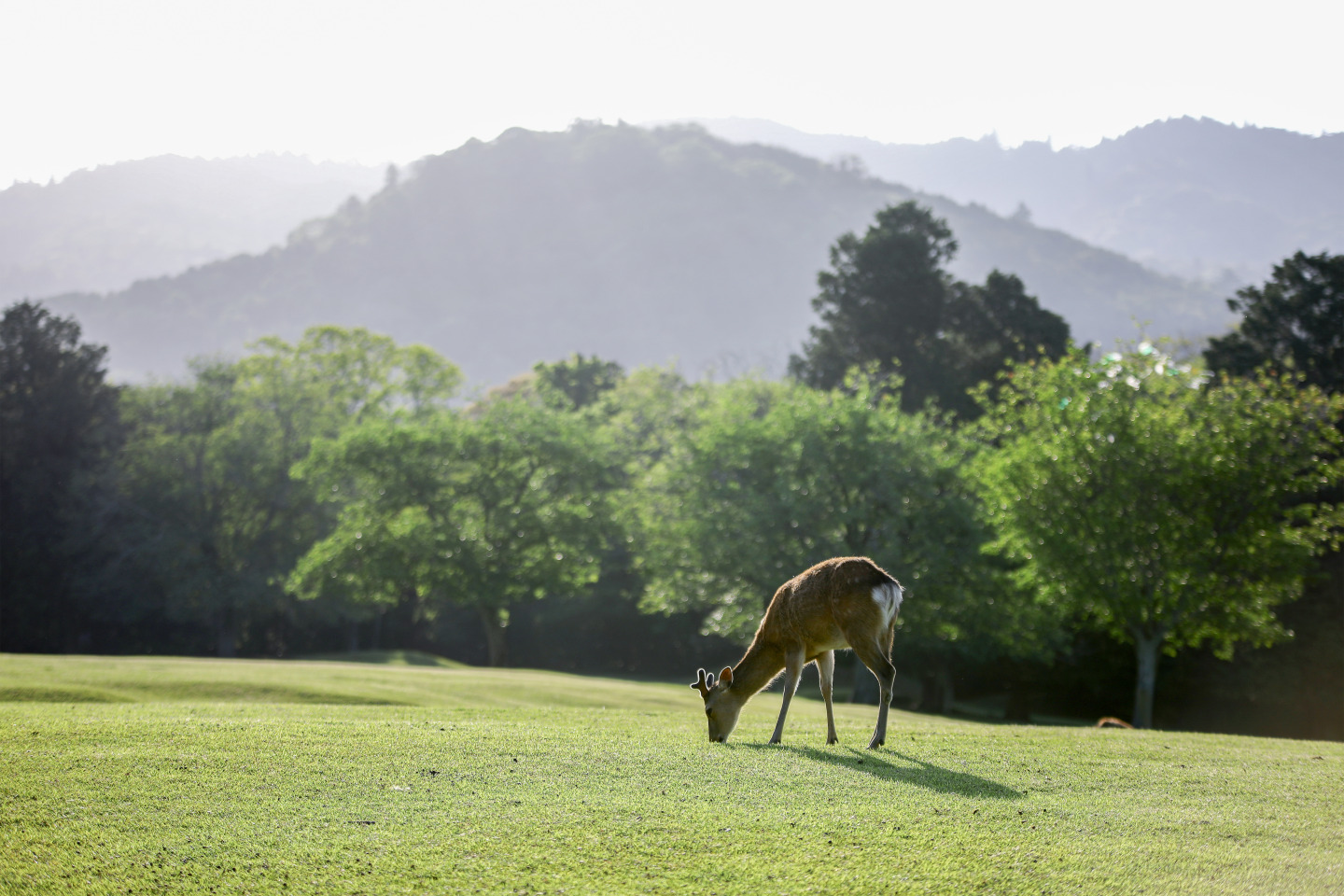
“Early morning in Nara Park, before the day-trippers arrive from Kyoto and Osaka.”
The Two Lantern Nights to Know for 2026
If your calendar can flex, plan Nara around Kasuga Taisha’s lantern festivals. They change the city’s entire emotional temperature.
- Setsubun Mantoro — held annually on February 3 at Kasuga Taisha Shrine, illuminating over 3,000 lanterns. In 2026, it falls on Tuesday, February 3.
- Chugen Mantoro — the summer lantern lighting on August 14–15, 2026.
These dates compress demand. Parking fills. Taxis tighten. Dinner reservations become the difference between grace and friction.
Our concierge builds the night so it feels calm, even when the precincts are busy.
Your One-Night Luxury Nara Itinerary
Day 1, Late Morning — A Slow Arrival
Nara works best when you do not sprint straight to the Great Buddha. We prefer a measured arrival with private car drop-off and a first hour to let your senses adjust.
We often begin with a gentle orientation around Nara Park—not for the deer first, but for the landscape logic. The park anchors multiple sites inscribed under UNESCO as “Historic Monuments of Ancient Nara.”
That list includes Todai-ji, Kofuku-ji, Kasuga Taisha, and the Kasugayama Primeval Forest. Close together on a map. On foot, a sequence of thresholds.
Day 1, Early Afternoon — Todai-ji With Crowd-Aware Timing
You come to Todai-ji for the scale. You stay for the hush that can still appear if you arrive with intention.
We plan this visit around crowd patterns, weather, and your pace. Sometimes that means a shorter, deeper visit. Sometimes it means stepping away and returning when the air shifts.
Discretion matters here. If you prefer, we keep guiding low-voiced and photography minimal—so your presence never becomes part of someone else’s background.
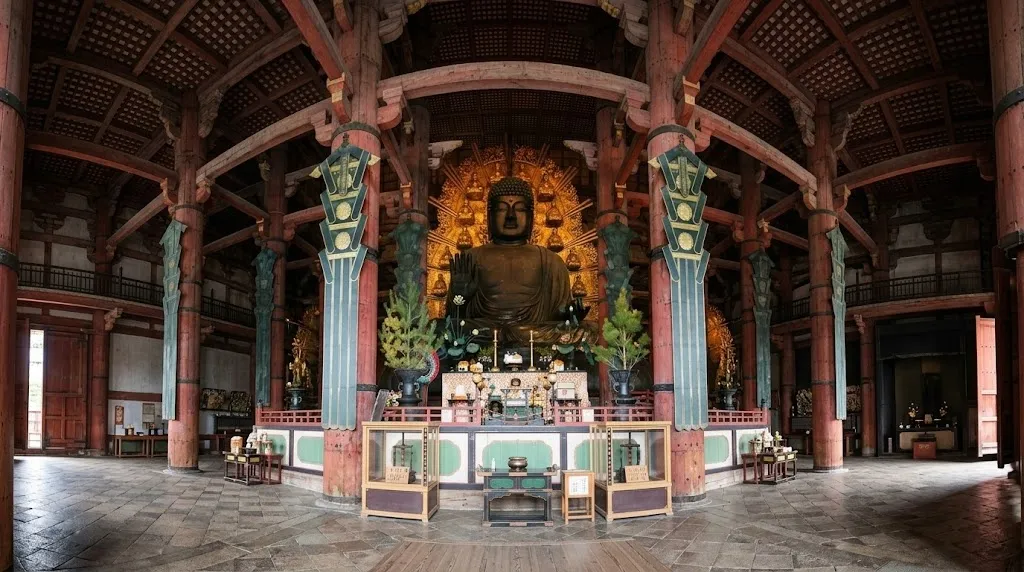
“Todai-ji rewards a slower visit—our team times your arrival to the calmer windows of the afternoon.”
Day 1, Mid-Afternoon— A Cultural Reset
Many travelers miss this. The Nara Visitor Center & Inn, near Nara Park, is also positioned as a hub for cultural activities and tours.
The Official Nara Travel Guide highlights experiences such as sake tasting and tea ceremony among its offerings. It creates a clean, calm bridge between major temples and the more intimate parts of the city.
Depending on your interests, our concierge may suggest a short tea-focused moment here. Simple. Uncluttered. A reminder that Nara’s luxury is often found in restraint.
Day 1, Evening — Kasuga Taisha After Dark
Kasuga Taisha is extraordinary in any season. On lantern festival nights, it becomes something else entirely.
When we build a Setsubun Mantoro or Chugen Mantoro evening, we treat logistics as part of the hospitality. Arrival time is curated. The walking approach is chosen for flow. We plan a clear meeting point and have contingencies in place—because weather and crowd control can shift quickly.
Guests often tell us the same thing afterward. It did not feel like an “event.” It felt like entering a private, luminous corridor of history.
Day 1, Dinner — Naramachi’s Quiet Charm
Naramachi is where Nara’s evening becomes intimate. Low facades. Lantern-lit streets. A mood that encourages conversation.
We do not shout restaurant names into the internet when discretion is part of the value. Instead, we match you with a table that fits your style—counter seating with a chef’s rhythm, or a private room where your party can speak freely.
For many of our travelers, a party size of two to four is ideal here. It keeps the night agile. This is where shun—seasonality—matters most.
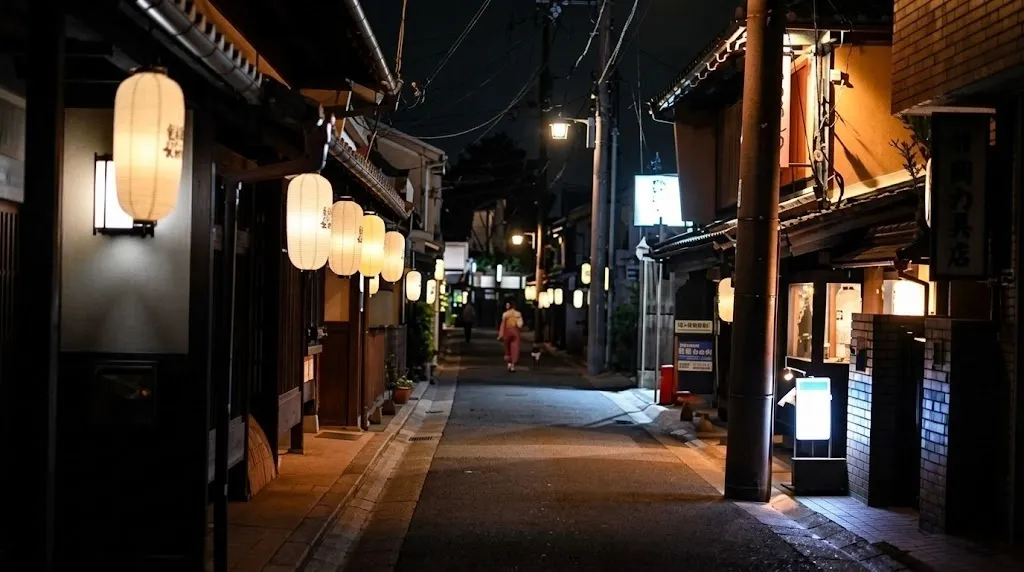
“Naramachi after dark—where conversation slows, and seasonal cuisine takes the lead.”
Where to Stay: The 2026 Nara Prison Story
Nara’s most talked-about 2026 opening is not a temple. It is an architecture with a complicated past.
Hoshino Resorts announced that the “Nara Prison Museum” will open on April 27, 2026, describing the reopening of the former Nara Prison—an Important Cultural Property—as a prison museum.
Separately, a May 21, 2026, JNTO newsletter references “HOSHINOYA Nara Prison” and states it opens on June 25 (as presented in that publication).
What does this mean for a one-night itinerary? Nara now has a credible reason to stay overnight,t even for travelers who have “done” the classic sights. It is adaptive reuse with real cultural weight—best approached with a guide who prioritizes context over spectacle.
Our founder, Yasu Chuck, often reminds our team that the most memorable luxury in Japan is not about access alone. It is about how you enter a story, and whether you leave it undisturbed.
Day 2 — The Morning Most Travelers Never See
Nara Park Before the City Wakes
Wake early. This is the moment day-trippers never get.
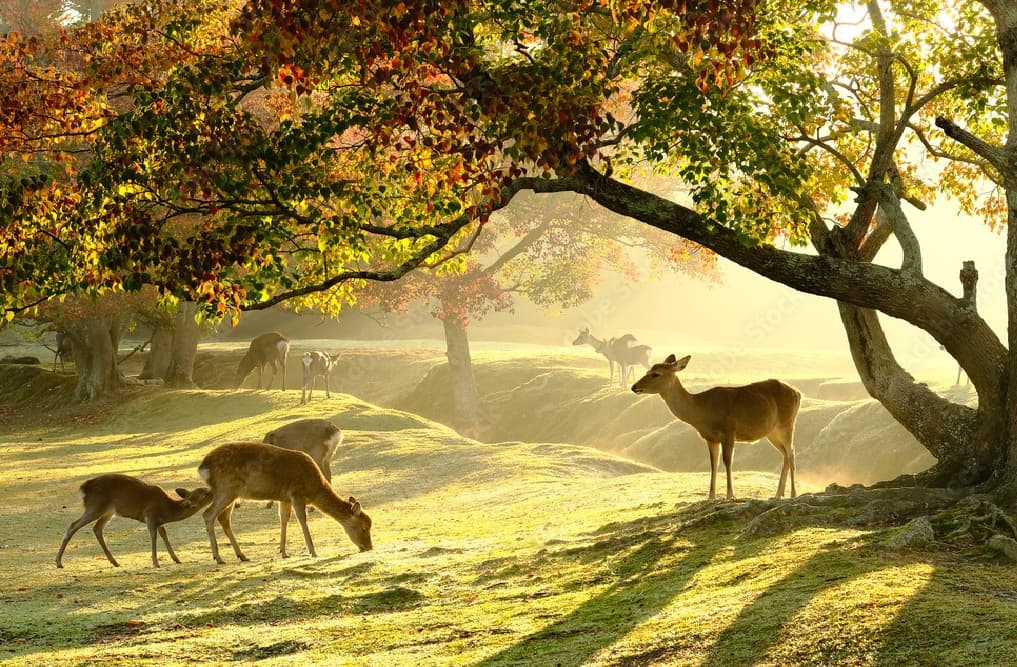
In the early hours, Nara Park is more silent than an attraction. The deer move differently. The paths feel wider. Even the air has less friction.
For many guests, this single morning is the best reason to stay the night. We keep the route simple and low-impact—no chasing deer. No crowding.
Yakushi-ji for Another UNESCO Thread
If your schedule allows, we often recommend pairing central Nara with Yakushi-ji—also part of the UNESCO “Historic Monuments of Ancient Nara.”
It is a different energy from Todai-ji. Less of a headline. More of a sustained architectural presence.
For travelers who have already seen Japan’s major icons, this kind of shift matters.
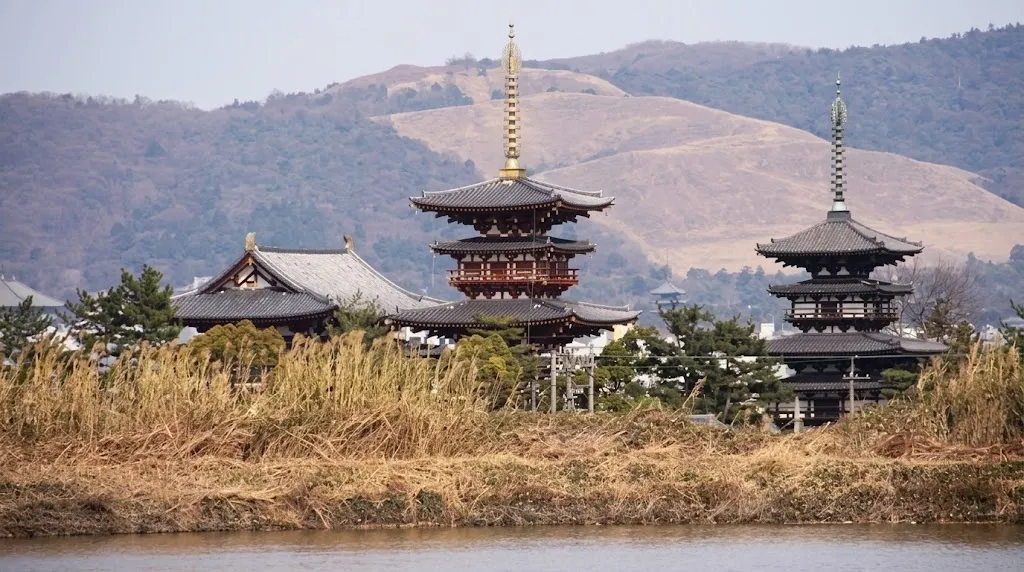
“Yakushi-ji offers a quieter UNESCO experience for travelers who have already seen the icons.”
Responsible Luxury: The Etiquette That Protects Nara
Nara is not a theme park, even when it trends. It is a living heritage.
- Touch nothing unless invited. It should go without saying. In 2026, it must be said.
- Keep your voice low in precincts. Let other visitors have their own silence.
- Follow the posted photography guidance. Some interiors and sacred areas restrict photos.
- Do not feed deer indiscriminately. If you do, do it calmly and with awareness of your surroundings.
- Choose off-peak timing. Early morning and evening are not just nice. They reduce pressure on sites and people.
We build itineraries that naturally disperse visitation—so your day supports the destination rather than extracting from it. This is the direction Japan is moving. It is also how Nara stays Nara.
How We Make Nara Feel Effortless
Luxury in Nara is not about adding more stops. It is about removing friction.
- Private transport planning that respects local traffic patterns and festival congestion.
- Low-friction walking routes tailored to your pace, mobility needs, and tolerance for summer heat.
- Discreet guiding so you can move through sacred spaces without becoming a spectacle.
- Season-first curation—the principle of shun—so your meals and moments match the month, not a generic checklist.
This is the Japan our clients ask for. The Japan that search engines cannot quite assemble. The hidden Japan that is not secret because it is forbidden, but because it requires care.
Nara, With Space Around It
Nara can be iconic in an hour. It can also be quietly transformative in one night.
Time Todai-ji with intention. Enter Kasuga Taisha on a lantern night. Wake to an early walk in Nara Park. Suddenly, the city stops being a detour and becomes a calm chapter in its own right.
If you are considering Nara in 2026—especially around February 3 or August 14–15—we would be delighted to design the night with you.
Plan Your One-Night Nara Itinerary With Us
A great Nara night is not improvised. It is timed, paced, and quietly engineered around you.
Our team at Japan Royal Service designs discreet, conservation-minded itineraries—with the right reservations, transport, and on-the-ground support to match the season you arrive in.