Itineraries
Kyoto Revealed: Ultimate Guide to Best Spots
Discover Kyoto must visit destinations in 2026. Explore ancient temples, serene gardens, and exclusive cultural experiences in Japan's historic jewel.
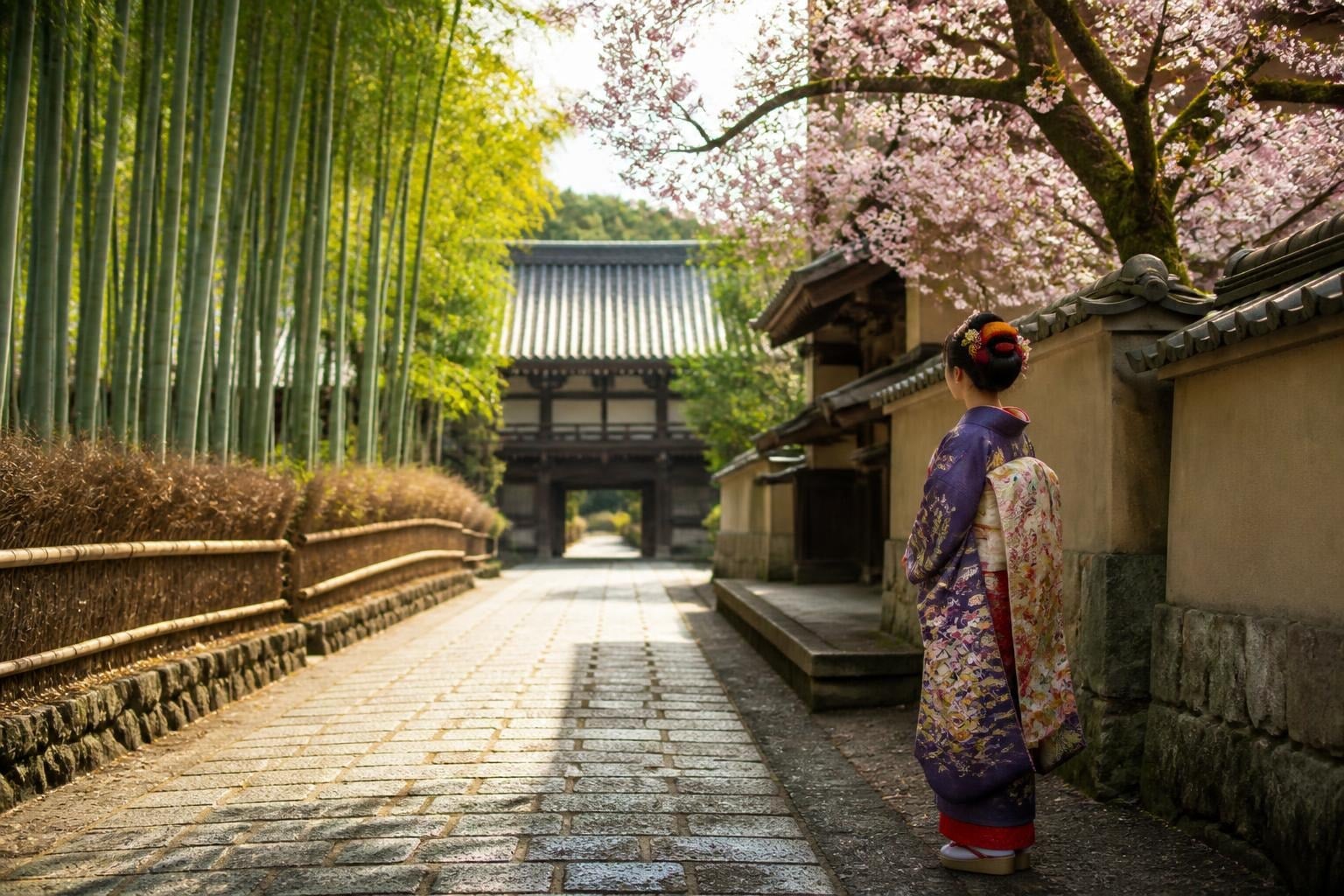
Kyoto is Japan’s cultural core. Old rituals stay put, and sleek comforts show up anyway. For travelers who want the real texture of Japan—omotenashi at the door, wabi-sabi in the corners—this former capital can feel like stepping through stacked centuries, where temples, gardens, and customs still steer how the country sees itself. Pick the right stops and the trip stops being “a visit” and starts feeling like you actually understood what you came for.
Sacred Temples and Shrines That Define Kyoto
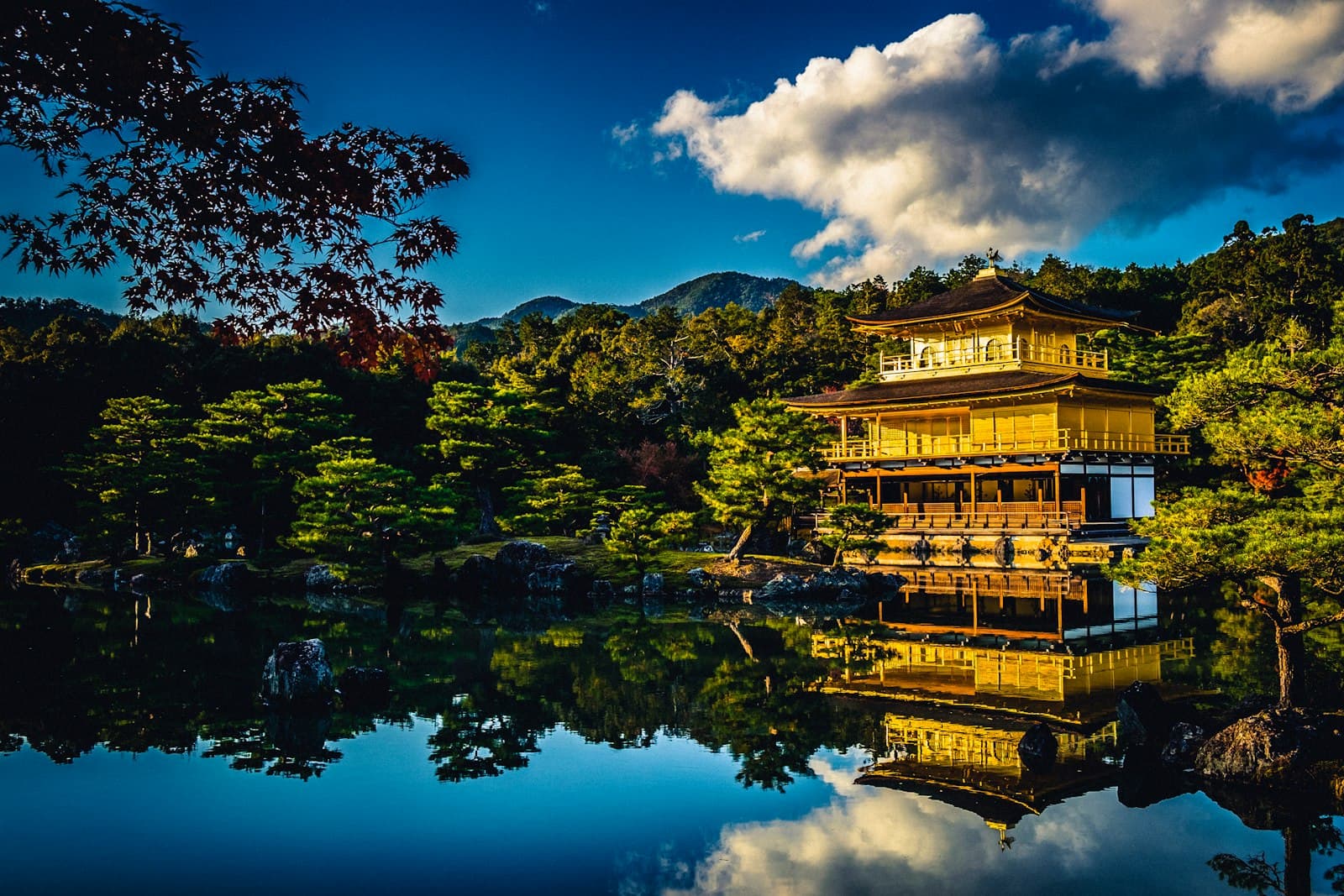
Kyoto has a huge spiritual map. Some places simply matter more. Kinkaku-ji, the Golden Pavilion, stays near the top for a reason; the gold-leaf skin flashes against the pond, and even on a gray day the reflection still grabs you. Go in any season, and it lands differently, but it rarely feels skippable—especially the first time.
UNESCO World Heritage Temple Complexes
Kyoto’s 17 UNESCO World Heritage Sites carry the city’s heavy history on their beams and stones. Kiyomizu-dera pulls your eyes straight to that wooden stage hanging off the slope, and the view rolls out across rooftops in a way that makes you slow down mid-sentence; the construction methods date back to 778 CE, and the springs that give the temple its name have drawn pilgrims for more than a thousand years.
Fushimi Inari Taisha doesn’t feel like a standard shrine stop. It’s more like a long, red corridor that keeps going, and going, and then—still going—through thousands of vermilion torii climbing Mount Inari. This Kyoto must-visit shrine offers:
- Over 10,000 torii gates donated by businesses and individuals
- Multiple hiking trails ranging from 30 minutes to 3 hours
- Fox statues (kitsune) representing the messengers of the rice deity Inari
- Spectacular photography opportunities, particularly during early morning hours
- Spiritual significance as the head shrine for 30,000 Inari shrines nationwide
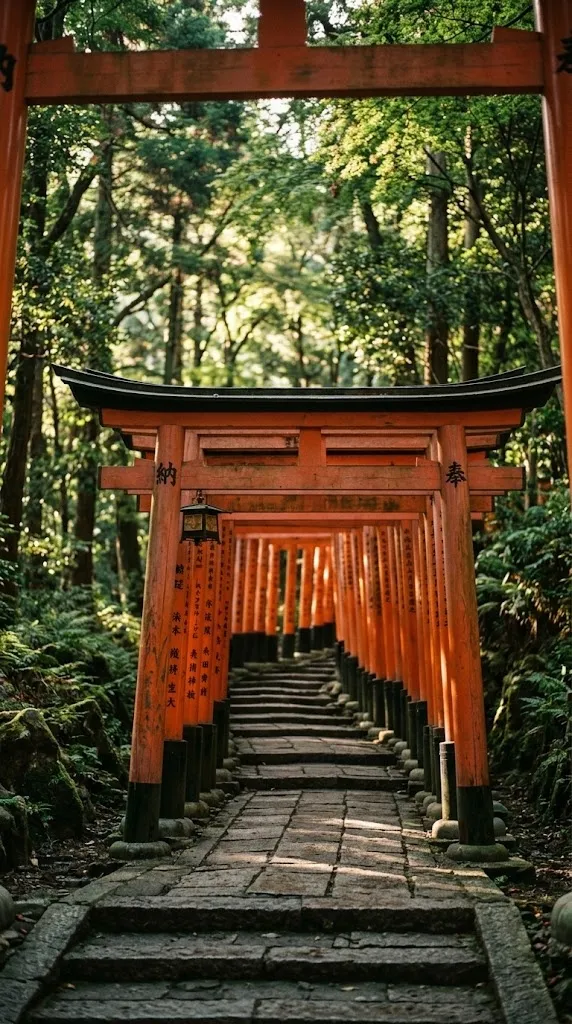
Walk the legendary vermilion torii gates on Mount Inari when the air is cool and footsteps echo.
Ryoan-ji flips the mood. Quiet. Almost severe. Its rock garden—often called the finest karesansui (dry landscape) design—asks you to sit and stare until your brain stops trying to “solve” it. Fifteen rocks, white gravel, and the old riddle remains: from any single spot, most people swear only 14 are visible.
Historic Districts and Cultural Immersion
Gion and Higashiyama Preservation Areas
The Gion district is still the name people say first. It’s not a museum street, though. Wooden machiya line narrow lanes, and after dusk the clack of shoes can turn your head before you even see anyone. On Hanami-koji around 6–9 PM, you might catch a geiko or a maiko moving fast toward an appointment at an ochaya (tea house), and the whole block suddenly feels watchful—like it remembers its manners.
Higashiyama stretches that older feeling across a wider patch of the city. Start at Kiyomizu-dera, then drift downhill through Ninenzaka and Sannenzaka, and you’ll pass merchant houses that never really stopped being themselves, plus artisan workshops, and cafés that somehow fit inside centuries-old shells; the comprehensive one-day itinerary for these lanes is handy when time is tight and your legs are not.
| Historic District | Key Features | Best Visiting Time | Average Duration | |---|---|---|---| | Gion | Geisha culture, traditional architecture | Evening (6-9 PM) | 2-3 hours | | Higashiyama | Temple walks, preserved streets | Morning (8-11 AM) | 3-4 hours | | Arashiyama | Bamboo groves, river scenery | Early morning | 4-5 hours | | Philosopher’s Path | Canal walk, seasonal beauty | Spring/Autumn | 1-2 hours |
Arashiyama’s Natural Elegance
Arashiyama sits out west and changes the pace. Green hits harder out there. The Bamboo Grove can feel strange in the best way—stalks creak, the light turns greenish, and the air seems a few degrees cooler even when the city is sticky. Keep going and you’ve got Togetsukyo Bridge, Tenryu-ji’s garden, and boat rides on the Hozu River if you want water and wind instead of crowds.
Timing is the trick. Show up early and it’s calmer; roll in mid-morning and you’ll understand why people complain. Nico from JRS once set a 7:10 AM meet-up for a party of four, then laughed because a guest whispered, “I thought this would be empty,” while the first tour buses were already unloading—Big mistake. Worth it. If you want a quieter look, private early-morning access can keep the walkway from turning into a slow shuffle, and reserved kaiseki at a riverside restaurant lets you eat while the river keeps doing what it does.
Gardens and Seasonal Beauty
Kyoto’s gardens aren’t just “pretty.” They’re engineered for attention. The design thinking is old, and it shows up in small things: a turn in a path, a stone placed like punctuation, a patch of moss you notice only after you stop rushing. Ginkaku-ji, the Silver Pavilion, leans into restraint, pairing quiet architecture with sharply planned grounds—raked sand forms, mossy paths, and a slope that pulls you upward without announcing itself.
Cherry Blossom and Autumn Foliage Destinations
Seasons change the whole read of Kyoto. Fast. Spring cherry blossoms remake familiar places, and you can feel the city’s mood lift when the first blooms hit:
- Maruyama Park hosts Kyoto's most famous weeping cherry tree, illuminated spectacularly after dark
- Philosopher’s Path becomes a pink tunnel as hundreds of cherry trees bloom along the canal
- Daigo-ji Temple showcases over 1,000 cherry trees across its extensive grounds
- Heian Shrine’s garden frames blossoms against vermillion architecture and tranquil ponds
- Arashiyama combines cherry blossoms with mountain backdrops and the iconic bridge
Autumn goes hard too, with momiji (maple) colors usually peaking in November. At Tofuku-ji, the view from Tsutenkyo Bridge drops into a valley of red that can make people go silent, and Eikando’s evening illuminations turn leaf-viewing into a night walk where the air feels colder and the shadows feel closer.
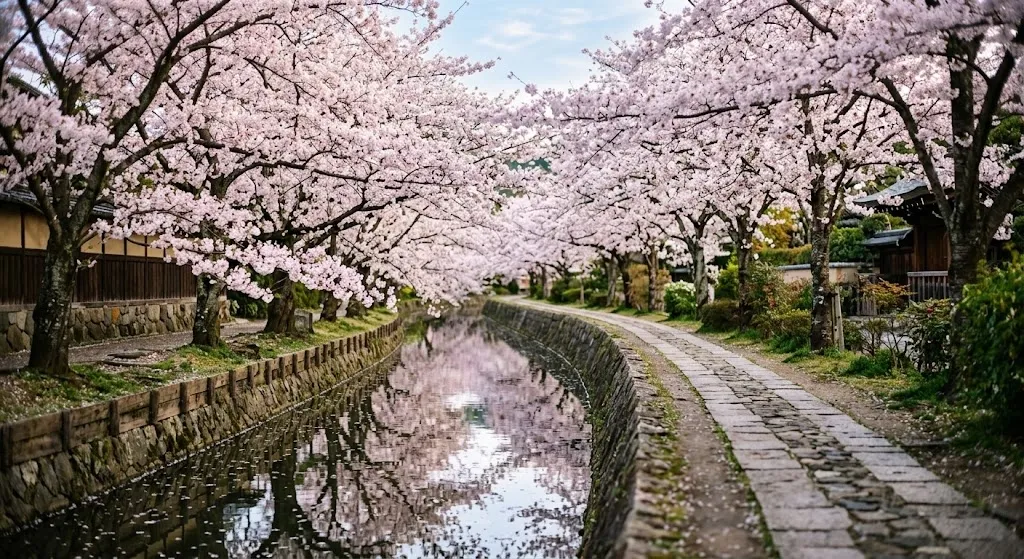
Take the Philosopher’s Path early, when the canal is still and the blossoms read like a soft ceiling.
Imperial Heritage and Palace Grounds
The Kyoto Imperial Palace was home base for the Emperor until 1868, when the capital shifted to Tokyo. Tours are free, but you do need a reservation, and once you’re inside you’ll see how court life was staged through space—ceremonial halls, private areas, gardens kept in crisp shape. Outside, the surrounding park is open and easy, with walking paths that feel like a breather between heavier sightseeing blocks.
Nijo Castle shows off Tokugawa power with a different kind of detail. The “nightingale floors” chirp underfoot, meant to warn guards if someone tried creeping around, and it’s oddly hard not to test it again with your next step; inside, the screen paintings hit first, and then you notice the gardens shifting style as you move from one section to another.
Hidden Imperial Villas
If you’re chasing restricted sites, Katsura and Shugakuin are the big names. Katsura Imperial Villa is all proportion and restraint—modular rooms, planned paths, and views that reveal themselves one by one—yet it never feels showy, more like shokunin thinking applied to space; reservations through the Imperial Household Agency are the gatekeeper, which is exactly why it stays controlled.
Cultural Experiences Beyond Sightseeing
Kyoto must visit moments aren’t only visual. You can do things. A tea ceremony in a historic teahouse isn’t about “drinking matcha,” it’s about pace, posture, and the small rules that explain a lot about Japanese aesthetics. Harmony, respect, purity, tranquility—those ideas show up quietly, and then they stick.
Hands-on plans usually work better with someone arranging the pieces ahead of time:
- Private tea ceremonies in machiya townhouses or temple settings
- Kaiseki dining at establishments with decades or centuries of tradition
- Craft workshops with master artisans in pottery, textile dyeing, or lacquerware
- Geisha performances in exclusive settings with a cultural context are provided
- Zen meditation sessions at temples offering guided instruction
The Japan National Tourism Organization's checklist of 15 essential experiences is a solid prompt list when you’re building out cultural time beyond temples.
Markets and Culinary Destinations
Nishiki Market and Food Culture
Nishiki Market gets called “Kyoto’s Kitchen,” and it earns it. Five blocks. Covered arcade. More than 100 specialty shops and small restaurants. The place has been running for around 400 years, and a morning visit feels more workable—fresh produce out, vendors actually chatting, and little tastes that make sense once someone points out shun and why it matters right now, not “someday.”
Kyoto’s food identity comes through in a few distinct lanes:
- Kyo-kaiseki: Multi-course haute cuisine emphasizing seasonal ingredients and artistic presentation
- Obanzai: Home-style dishes using local vegetables and traditional preparation methods
- Yudofu: Delicate tofu simmered in kelp broth, perfected in Kyoto's pure water
- Wagashi: Traditional sweets accompanying tea ceremonies, edible works of art
- Sake breweries: The Fushimi district produces some of Japan's finest sake using underground springs
Try Kyo-kaiseki when you can slow down enough to notice the seasonal cues on the plate.
Temples Off the Beaten Path
The headliners are famous for a reason, but the quieter temples can land harder when you’re not shoulder-to-shoulder. Tofuku-ji often stays under the radar except during peak autumn color, when its maple ravine pulls in people who planned ahead. Its modern rock gardens are a reminder that Kyoto’s aesthetics didn’t freeze in the past.
Saiho-ji, the Moss Temple, keeps numbers down with a reservation system and the requirement to copy sutras. That constraint changes the tone immediately, and the moss—over 120 varieties—spreads like a green hush under trees and around ponds, making the place feel older than the clock says it is.
The comprehensive guide to famous temples lays out 25 significant sites, including places that have their own quirks beyond the usual photo stops. Mix the big names with a few low-volume temples and the spiritual side of Kyoto feels less like a checklist and more like a day that had room to breathe.
Strategic Planning for Premium Experiences
Timing and Seasonal Considerations
Kyoto must-visit planning lives and dies on timing. Spring (late March to early April) and autumn (November) look spectacular, but they’re also when the city gets the most crowded. Early summer shifts to fresh green and hydrangeas, and winter brings cold air, fewer tourists, and sometimes snow on roofs that makes even familiar gates look new.
| Season | Highlights | Crowd Level | Weather Considerations | |---|---|---|---| | Spring (Mar-May) | Cherry blossoms, comfortable temps | Very High | Rain in June | | Summer (Jun-Aug) | Festivals, green landscapes | Moderate | Hot and humid | | Autumn (Sep-Nov) | Fall foliage, perfect weather | Very High | Brief season | | Winter (Dec-Feb) | Snow scenes, fewer crowds | Low | Cold temples |
Premium planning often means shifting the clock. Early morning and late afternoon can change a site’s whole personality. Private openings before public hours, or limited after-hours access, cut the noise down and make details pop—wood grain, incense trace, a garden’s shadows—without you having to fight the flow.
Transportation and Accessibility
Getting around Kyoto quickly matters. A lot. The grid helps orientation, and buses plus subways do connect major spots, but they can also chew up time, especially when you’re transferring or stuck in slow traffic. For luxury travelers, private transportation is less about flash and more about control: comfort, timing, and reaching places that public transit treats as an afterthought.
Premium transportation benefits include:
- Direct routing between destinations without transfers or waiting
- Climate-controlled comfort during Kyoto's humid summers or cold winters
- Flexibility to adjust itineraries based on interests and energy levels
- Expert drivers providing local knowledge and recommendations
- Luggage handling and personal service throughout the day
Some Kyoto must-visit areas are simply easier with a car and driver—Arashiyama’s spread-out cluster, the northern temple zone, and the imperial villas where your reserved tour time isn’t flexible if you arrive late.
Exclusive Access and VIP Experiences
More travelers now want what regular tourism can’t give. That usually means access shaped by relationships and timing. Private temple visits outside public hours can include conversations with priests and long stretches of uninterrupted sitting in famous halls and gardens; some temples also offer shukubo (overnight lodging), so you can wake early for morning meditation and eat vegetarian Buddhist cuisine prepared by temple residents.
Geisha entertainment in small settings remains one of Kyoto’s hardest-to-arrange nights. The difference is the context: proper introductions, the right space, and an evening that includes conversation and traditional games in ochaya teahouses where walk-ins don’t happen. When it’s done properly, it feels less like “a show” and more like being let into a room that runs on old rules.
The collection of 50 must-do activities shows how wide Kyoto’s options are, from basic sightseeing to deeper cultural participation.
Neighborhood Deep Dives
Northern Kyoto's Temple Concentration
Up north, temples cluster in a way that surprises people. It’s calmer too. Daitoku-ji is a compound of sub-temples, with several open to visitors, and you can see different garden styles and tea traditions without feeling rushed by a big-tour rhythm. The distance from the city’s main tourist circuits helps the neighborhood keep a more everyday feel.
Shimogamo Shrine is one of Kyoto’s oldest shrines, and its approach through Tadasu-no-Mori primeval forest can make you forget you’re still inside the city. The shade, the shift in sound, the sudden quiet—then the shrine appears. It’s a Kyoto must-visit choice for travelers who want a spiritual atmosphere that doesn’t depend on hype.
Eastern Mountain Temples and Walks
The eastern mountains (Higashiyama) sit behind the city like a constant backdrop, and the temple walks there can take a full day if you let them. Past Kiyomizu-dera and the Philosopher’s Path, you’ll find connected routes through quieter neighborhoods and wooded paths that don’t feel staged, just lived-in and slightly uphill.
Nanzen-ji shows Zen architecture with real weight—big gates, broad halls, and sub-temple gardens that invite you to sit instead of snapping one photo and leaving. Then there’s the brick aqueduct cutting through the grounds, a Meiji-era insertion that somehow works; industrial lines in a spiritual setting, accidental but striking.
Practical Considerations for Luxury Travelers
Premium Kyoto time takes prep. A lot of it. Some reservations need weeks or months, especially in peak seasons, and cultural activities can come with dress expectations, longer time blocks, or behavior norms that are easier to handle with a guide who can explain the “why,” not just the rule.
Key planning elements include:
- Securing reservations for imperial villas, exclusive restaurants, and private temple access
- Understanding dress codes and behavior expectations for traditional settings
- Coordinating timing across multiple locations to maximize limited visit durations
- Identifying appropriate gift-giving opportunities following Japanese customs
- Arranging specialized guides with deep cultural knowledge beyond standard tour information
Language isn’t always a barrier in the busiest areas, but it can become one fast when you’re meeting artisans or joining more formal experiences. Professional interpretation keeps the nuance intact and helps conversations feel human rather than transactional.
Beyond Kyoto City Proper
Kyoto doesn’t stop at the city line. Not even close. Ohara, north of town, has temple complexes in mountain valleys where autumn color often arrives earlier, and snow can linger longer than in central Kyoto. The moss gardens and rural air give you a reset when the city starts feeling dense.
Uji, south of Kyoto, mixes history with living tea culture as Japan’s tea capital. Byodo-in Temple’s Phoenix Hall shows up on the 10-yen coin, and nearby tea fields plus old tea houses make it easy to see cultivation as a craft, not a slogan. If you want matcha with context, Uji delivers it.
The detailed guide to places in Kyoto includes these outlying areas and shows how longer itineraries can fold regional stops into the classic city highlights.
Integrating Multiple Kyoto Must-Visit Destinations
Good itineraries have a shape. Bad ones zigzag. When you group stops by geography and vibe, you spend less time in transit and more time actually looking. Western Kyoto can stitch Arashiyama, Kinkaku-ji, and Ryoan-ji into one workable day focused on gardens and natural space, while Eastern Kyoto links Gion, Kiyomizu-dera, and the Philosopher's Path for a more cultural-spiritual run.
With multiple days, pacing becomes the secret weapon. Put major temples in the morning when light is cleaner and temperatures are kinder, then use afternoons for cultural activities, craft shopping, or a slow café break in an older building that creaks a little when you shift your chair—then finish the day in Gion’s evening streets or with a scheduled performance if you’ve arranged one.
The comprehensive overview of top attractions helps show how sites pair up, so planning feels less like grabbing random pins and more like building days that make sense together.
Kyoto lasts in your memory because it stays genuine when you treat it with respect. Simple as that. The city pays you back for good timing and cultural sensitivity with moments that keep replaying after you leave—incense in a corridor, gravel underfoot, a sudden hush in a forest approach. For travelers who want rare access in Kyoto, Japan Royal Service designs bespoke plans that open difficult doors, add cultural clarity, and handle the details so the experience feels focused rather than frantic.