Dining
Kyoto 2026: The Elegant Truth About Luxury Travel
Discover how luxury travelers must adapt to Kyoto in 2026. Explore the new accommodation tax, elite hotel openings, Gion etiquette, and strategies for Michelin dining.
<iframe title="Kyoto Vacation Travel Guide | Expedia" src="https://www.youtube.com/embed/Jd1wzlwtKJ0?autoplay=1&mute=1&playsinline=1&rel=0" frameborder="0" allowfullscreen></iframe>
The Quiet Recalibration of the Ancient Capital
Kyoto demands a measured approach. In 2026, the ancient capital is undergoing a quiet recalibration. Headlines surrounding tourism often paint a chaotic picture of crowded temples and congested streets. Our team at Japan Royal Service sees a entirely different reality. For the discerning traveler, Kyoto has never offered more sophisticated, high-touch access than it does right now.
A new wave of ultra-luxury hotels has altered the skyline and the standard of hospitality. Local authorities have implemented long-awaited etiquette guidelines to protect historical districts. Even the municipal tax structure has evolved to manage high-tier tourism responsibly. These are not hurdles. They are filters. They separate the passive tourist from the intentional guest.
Preparation is absolute. You cannot arrive in Kyoto expecting spontaneous, world-class access without strategy. High-net-worth travelers require a clear-eyed understanding of the city's current mechanics. We provide that clarity. From navigating the March 2026 accommodation tax adjustments to securing early access to the Arashiyama bamboo groves before the crowds arrive, quiet competence dictates the quality of your stay.
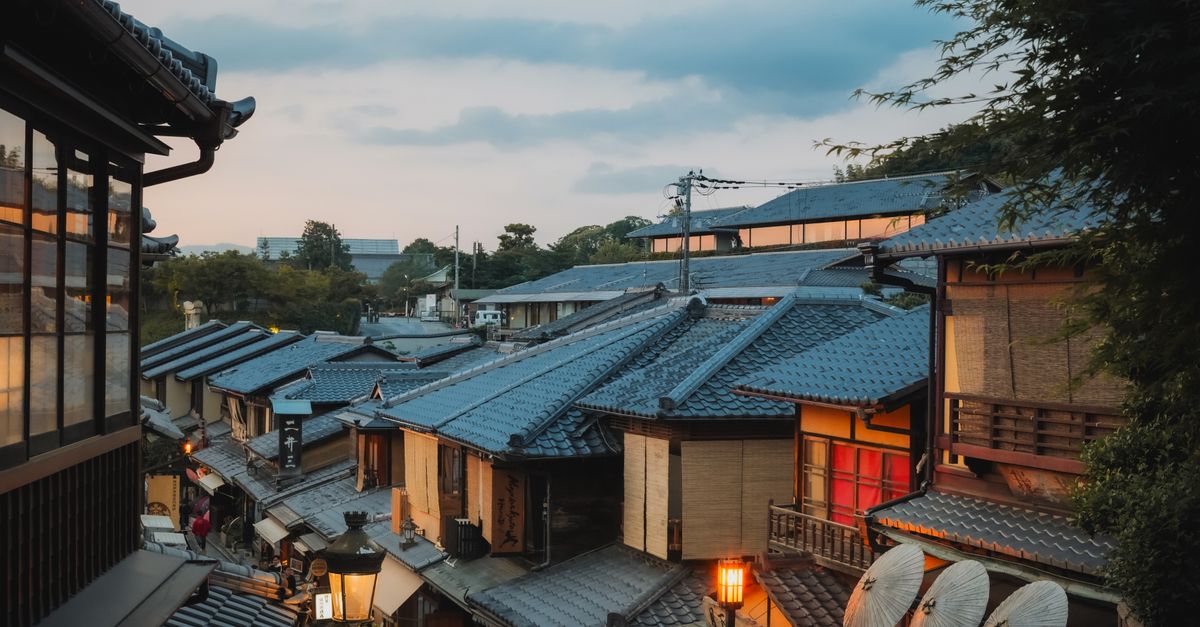
Kyoto's infrastructure and heritage rely on sustainable tourism frameworks.
The 2026 Accommodation Tax: What You Must Know
Effective March 1, 2026, Kyoto implemented a revised accommodation tax structure. This policy is explicitly designed to fund the city's appeal and manage tourism sustainably. For luxury travelers, this means a shift in billing expectations at the highest tier of properties.
Key fact: The revised ordinance introduces a maximum tier of ¥10,000 per person, per night for hotel stays costing ¥100,000 or more.
This adjustment directly impacts clientele staying in premium suites at five-star establishments. While the fee itself is nominal in the context of an ultra-luxury itinerary, the friction of unexpected checkout charges is what we aim to eliminate. Proper planning ensures this contribution to Kyoto's heritage preservation is handled transparently ahead of time.
We view this tax not as a penalty, but as a necessary investment in the city's future. It supports the maintenance of the UNESCO World Heritage property "Historic Monuments of Ancient Kyoto," which encompasses seventeen vital locations. When you pay this fee, you are directly funding the preservation of the moss gardens, the historic architecture, and the municipal infrastructure that makes Kyoto extraordinary.
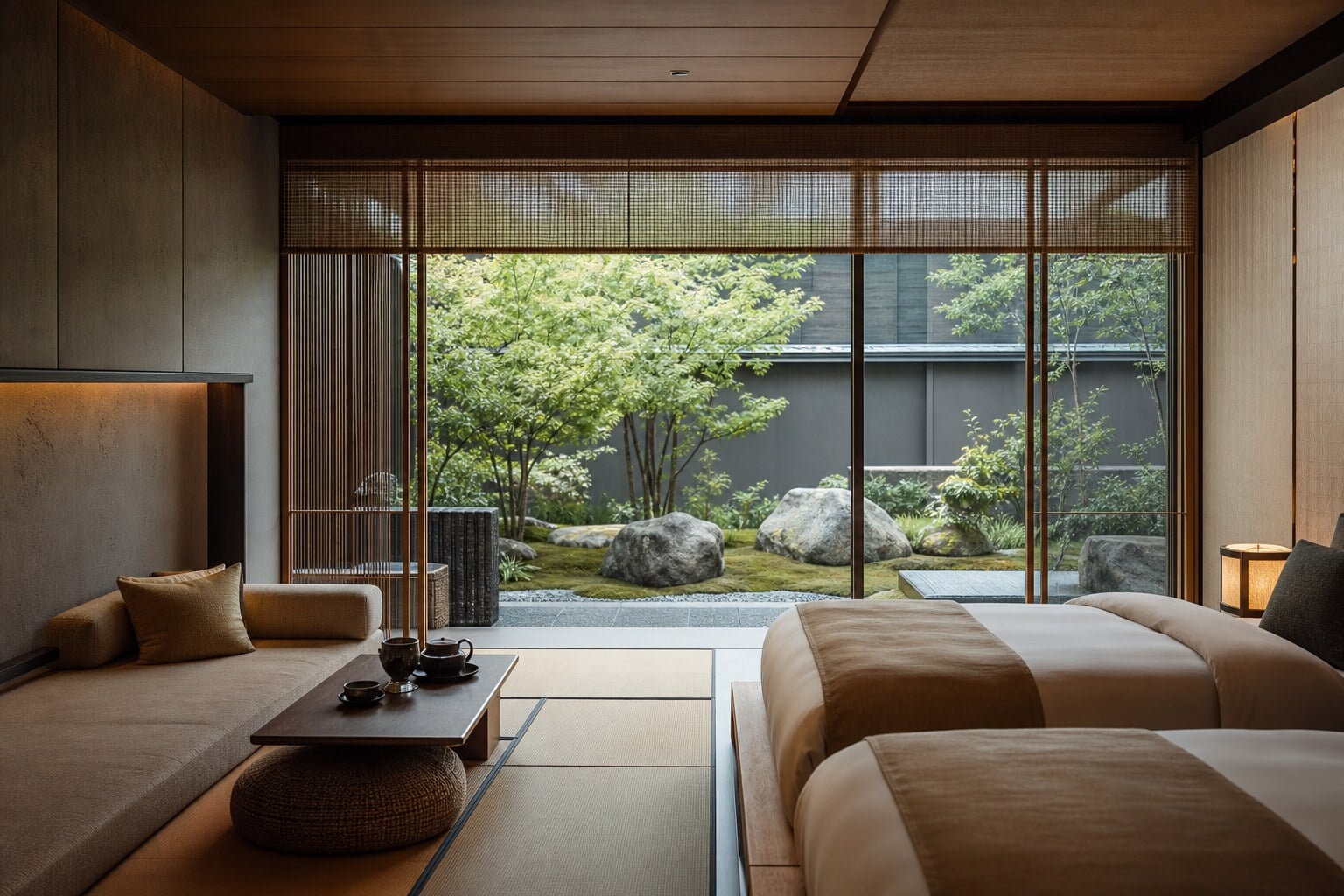
The new standard of accommodation emphasizes profound silence and architectural restraint.
Kyoto's Shifting Luxury Hotel Landscape
The inventory of elite accommodations in Kyoto has deepened dramatically. Legacy institutions face formidable new alternatives. Choosing the correct base requires matching a property's architectural ethos with your personal travel rhythm.
| Property | Opening / Status | The JRS Perspective | |---|---|---| | Imperial Hotel, Kyoto | March 5, 2026 | A marquee debut. Heritage-framed small luxury with flawless Japanese service logic. | | Six Senses Kyoto | April 2024 | Wellness-forward lens. Excellent for travelers prioritizing restorative isolation. | | Capella Kyoto | 2026 Phase-in | Highly anticipated, culturally immersive alternative challenging the old guard. | | Hotel The Mitsui Kyoto | Established | Thermal springs on-site. The benchmark for Nijo Castle-adjacent refinement. |
The Imperial Hotel, Kyoto represents a pivotal moment. Opening its doors on March 5, 2026, it brings imperial-class hospitality standards to a fiercely competitive market. The property leans heavily into an architecture of restraint. You will not find loud, ostentatious design here. Instead, it offers profound silence. That silence is the ultimate luxury.
Selecting between these properties comes down to spatial geography. Do you prefer the eastern hills near Kiyomizu-dera, or the quiet northern enclaves? A coordinator from our team recently observed that pairing an iconic city hotel with a two-night stay at an introduction-only countryside ryokan provides the ideal balance. It offers both metropolitan polish and the raw authenticity of wabi-sabi.
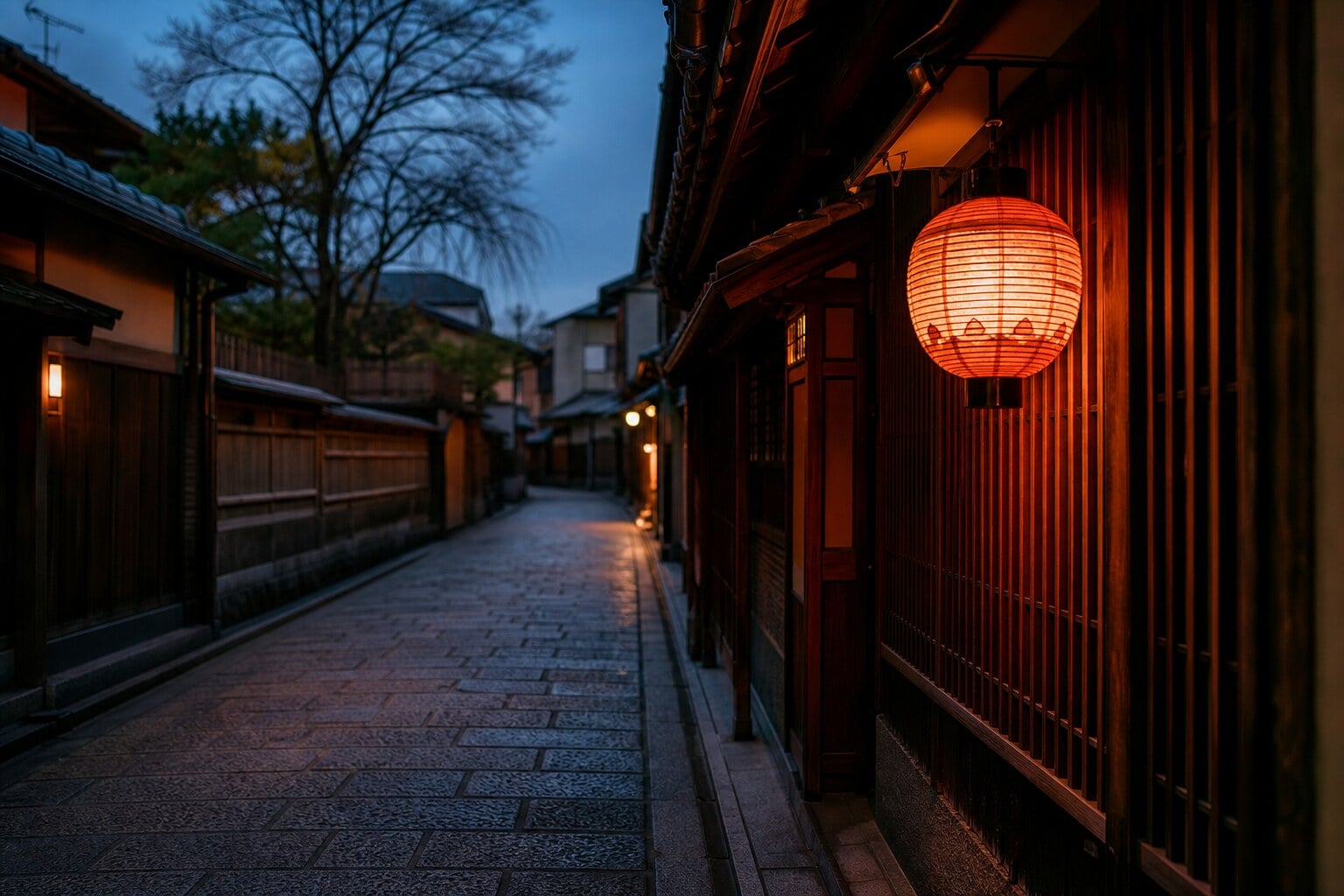
Respecting the boundaries of Gion ensures the preservation of its fragile, lived-in community.
Quiet Etiquette: Navigating Gion and Private Thoroughfares
Access is a privilege, not a right. Kyoto's official tourism channels have become highly explicit regarding visitor conduct, particularly in the historic Gion district. Official city channels published strict guidelines in 2026 to remind visitors that Gion is a lived-in neighborhood, not a theatrical backdrop.
The Private Road Ban
Local community councils in Gion have explicitly prohibited tourists from entering designated private alleys. Ignoring these notices damages the fragile trust between the city and foreign visitors. Respect the boundaries.
Photography Rules
Candid photography of geiko and maiko without consent is unacceptable. Photography is now strictly limited to designated public areas. True luxury travelers observe without intruding.
Our concierge firmly believes that omotenashi goes both ways. It is the art of mutual respect. When our clients walk through Gion, they do so with a nuanced understanding of local expectations. We advise guests on precisely which streets are welcoming and which are private sanctuaries.
This careful adherence to local customs actually unlocks deeper access. Proprietors of highly exclusive venues communicate with one another. When a guest demonstrates cultural sensitivity, doors that are permanently closed to the general public tend to open quietly.
The Michelin 2026 Guide and Dining Rarity
Kyoto's culinary landscape is notoriously opaque. The release of the MICHELIN Guide Kyoto Osaka 2026 confirmed what discerning gourmands already suspected: the barrier to entry has risen. For the first time in six years, a new three-star restaurant was crowned in Kyoto. Consequently, reservation scarcity at the top tier is absolute.
Securing a counter seat at a top kaiseki establishment requires an understanding of shun. Shun is the Japanese concept of perfect seasonality. A true master chef changes the menu not by the season, but by the micro-season. A dish served in early November will differ subtly from a dish served in late November. The ingredients dictate the timeline.
Big mistake. Many travelers assume money alone can secure a table with a week's notice. It cannot. The finest establishments value long-standing relationships and respect for the craft above mere transaction. They prioritize regulars. They vet newcomers.
If the marquee three-star venue is fully committed, there are alternatives. We look toward the hidden culinary gems. These might be unstarred, generational establishments where the shokunin has perfected a single discipline for forty years. Whether it is a private tempura counter or an exclusive wagyu beef purveyor, the focus remains on ingredient purity and absolute privacy.
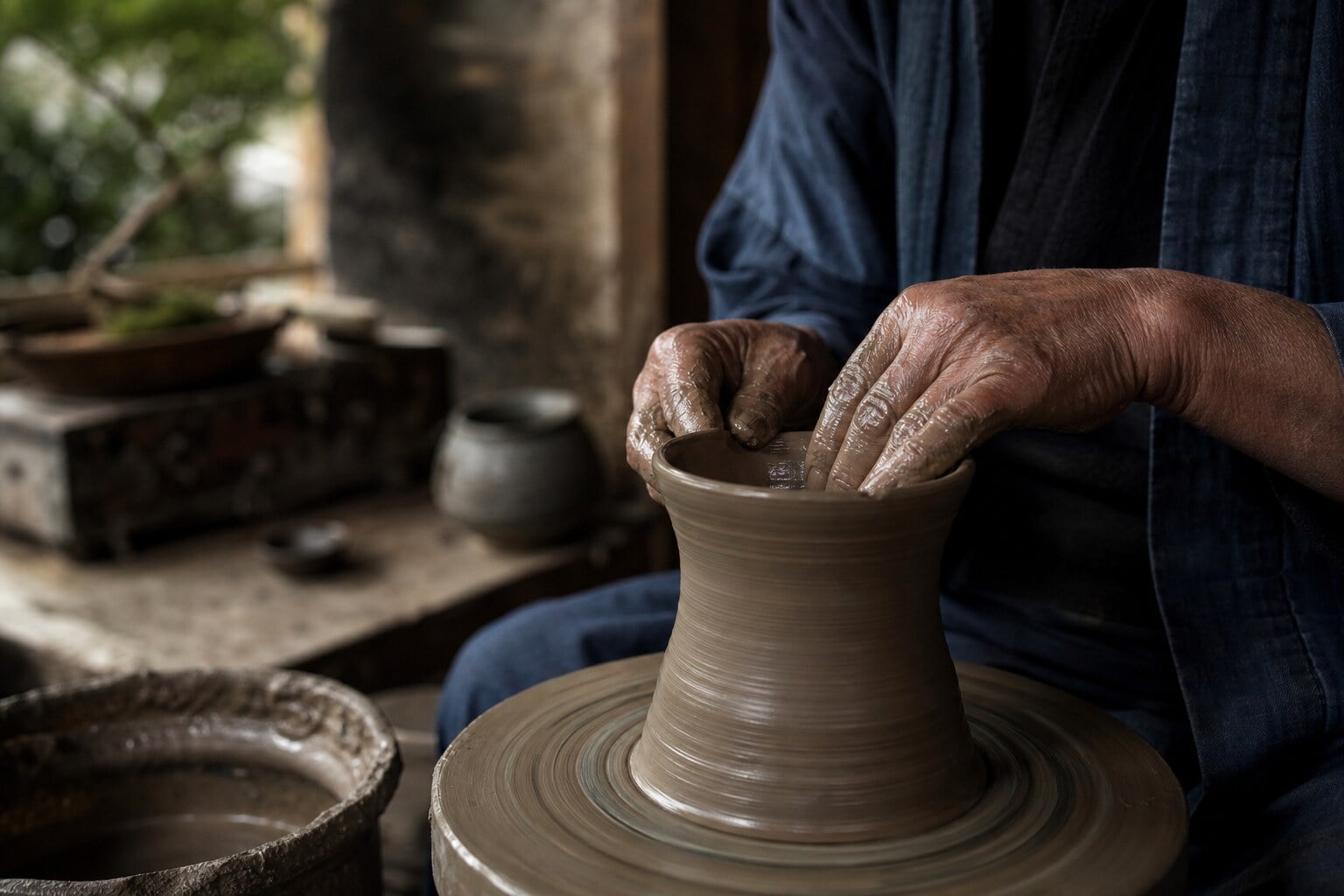
Observing a master shokunin at work is a privilege granted only through formal introduction.
Hidden Japan: Crafting Access to Living National Treasures
To simply look at a finished ceramic bowl in a boutique is to miss the story. Kyoto is the epicenter of Japanese artisanship. The city houses numerous Living National Treasures—masters of crafts ranging from lacquerware to bamboo weaving to kimono textile dyeing.
These artisans do not operate tourist workshops. They work in private ateliers, often completely unmarked from the street. Gaining access to observe a shokunin at work requires a formal introduction. It is a fragile environment. The rhythmic sound of a bamboo weaver splitting cane demands total silence from the observer.
For those seeking culinary history, Nishiki Market remains a vital artery. The market has fed Kyoto for over 400 years. However, visiting at noon guarantees a congested, frustrating experience. The intelligent approach is to visit strategically, guided by someone who knows the generational vendors of yuba (tofu skin), kyo-yasai (heirloom Kyoto vegetables), and rare tsukemono (pickles). You learn the provenance of the ingredients before you taste them in your evening kaiseki.
Strategic Crowd Avoidance: The Anti-Overtourism Playbook
Fushimi Inari Taisha and the Arashiyama Bamboo Grove are magnificent. They are also heavily trafficked. Attempting to visit these UNESCO-adjacent sites mid-morning is a tactical error.
Our approach is chronological manipulation. If a client wishes to experience the vermilion gates of Fushimi Inari, we advise beginning the ascent at dawn. The light is superior. The air is cool. The crowds are nonexistent. By the time tour buses arrive at 9:00 AM, our clients are already departing for a private tea ceremony.
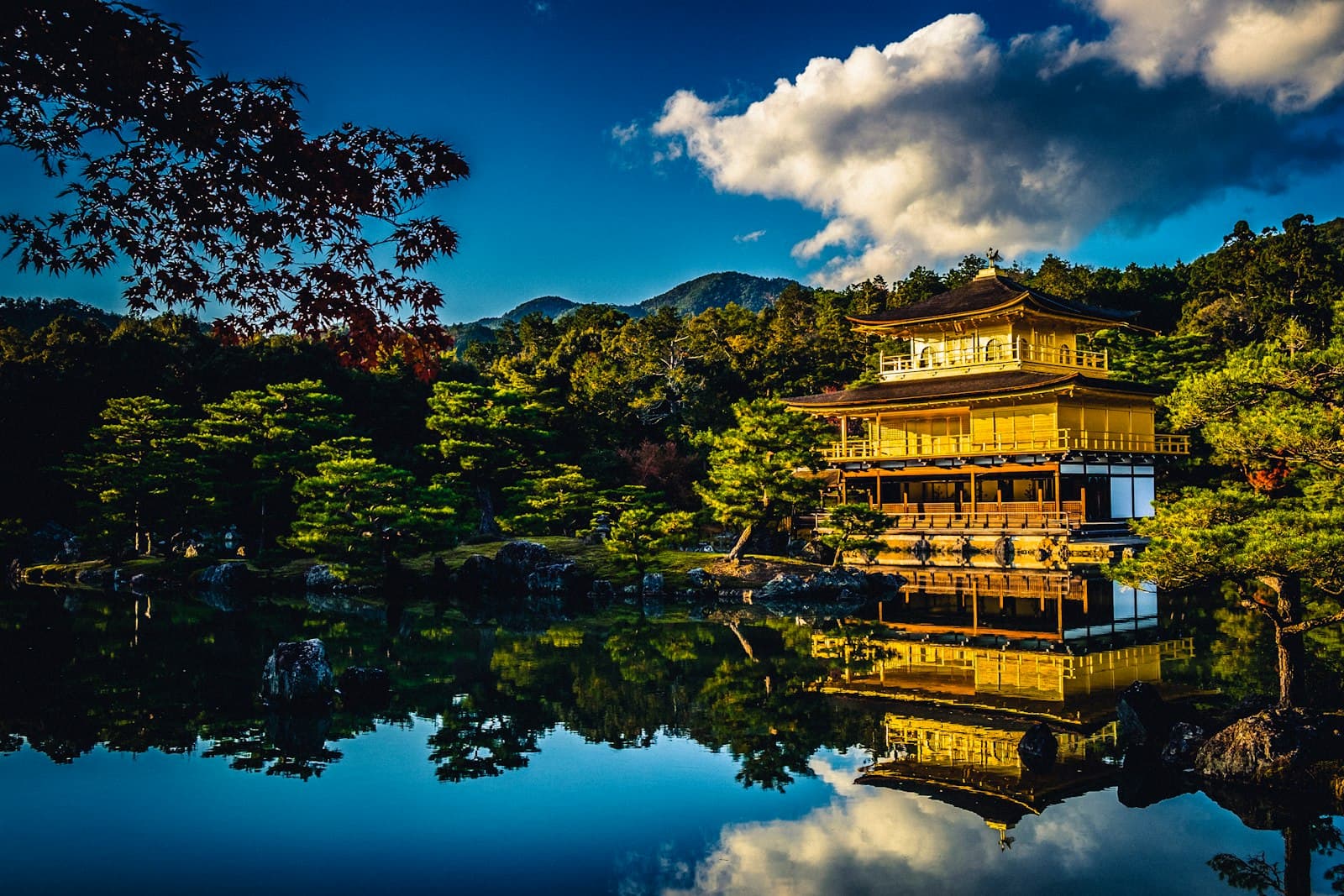
Similarly, we emphasize the geographical fringes of the city. While the Golden Pavilion (Kinkaku-ji) draws thousands, the northern temples of Ohara offer moss-covered stone gardens and profound quiet. This is the essence of Hidden Japan. You trade famous checkboxes for genuine emotional resonance.
How to Book Your Kyoto Base
Securing reservations at Kyoto's elite properties requires attention to official timelines and inventory releases. High-demand periods, particularly the spring cherry blossom window and the autumn foliage weeks, book out many months in advance. The top suites at the Imperial Hotel, Kyoto and Hotel The Mitsui are highly contested.
Guests must utilize the official websites of these respective hotel brands to process direct reservations. Each brand enforces its own strict deposit and cancellation policies, which are non-negotiable. It is critical to review these terms carefully before committing to your travel dates.
Japan Royal Service acts as an independent information source regarding these third-party venues. We do not directly book, hold, or guarantee hotel reservations on behalf of our clients. Guests interested in learning the optimal booking windows or requiring property-specific guidance may contact our concierge for tailored advice before executing their own reservations.
Why Choose Japan Royal Service
At Japan Royal Service, we recognize that our clients possess the means to travel anywhere. What they lack is time, and what they seek is certainty. Our team at Japan Royal Service specializes in eliminating the friction of ultra-luxury travel in a culturally complex destination.
We operate on the pillar of absolute discretion. We understand that our clients require total confidentiality regarding their movements and identities. In our experience, true luxury is silent. It is the private transfer waiting exactly where it should be. It is the restaurant counter that understands your dietary requirements without asking. It is the omotenashi that anticipates your needs before you articulate them.
Kyoto is a city of layers. Unlocking the deepest layers requires the right keys. We provide the introductions, the logistical precision, and the cultural context necessary to elevate a simple vacation into an indelible life experience.
For private coordination and to begin discussing your 2026 Kyoto itinerary, reach our team directly via WhatsApp or our official contact form.
Unlock the Deeper Layers of Kyoto
Kyoto's most profound experiences are reserved for the intentional guest. Do not leave your access to chance. Let Japan Royal Service provide the private introductions, logistical precision, and absolute discretion required to experience the ancient capital at its most refined. Your perfectly orchestrated 2026 journey awaits.