Experiences
Why Kutchan is the Heart of Niseko Adventure
Discover Kutchan, Hokkaido's luxury mountain town. From world-class skiing to culinary excellence, explore why discerning travelers choose this destination.
At the foot of Mount Yotei in Hokkaido’s Shiribeshi region, Kutchan reads like a signpost for how Japan’s alpine travel has shifted. Small town. Loud winter pulse. What once felt like a quiet farming stop now pops up as one of winter’s hottest destinations, drawing people who want actual Japanese moments without giving up the comforts they already trust, and that balance is the reason it doesn’t feel like a ski theme park when you step off the shuttle and hear the snow squeak under your boots.
The Geography and Climate of Kutchan
Kutchan’s address does a lot of the heavy lifting. It sits in southwestern Hokkaido, roughly 100 kilometers from Sapporo, close enough to reach without a saga yet far enough that the air and pace feel distinctly off the main line, especially once the daylight thins and the streets go quiet.
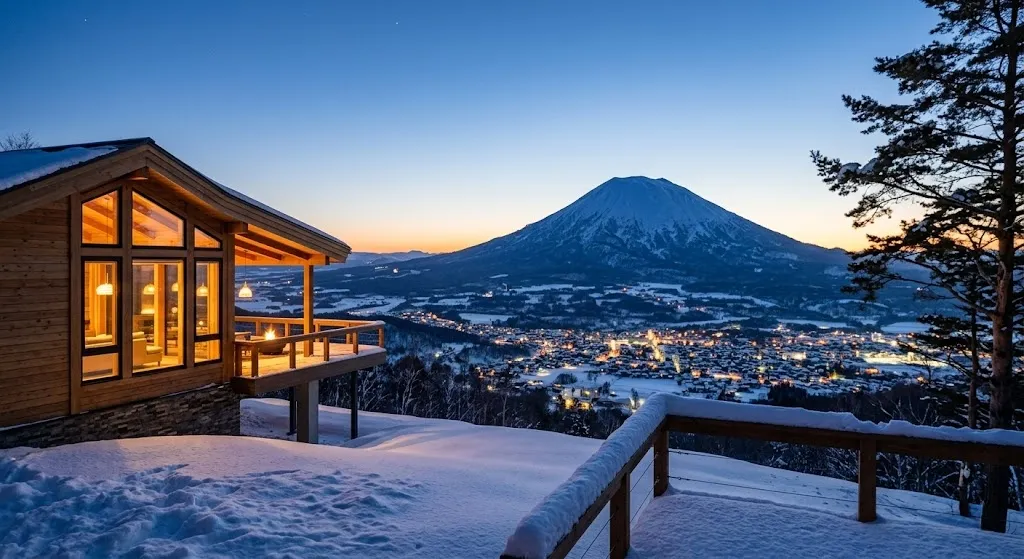
Mount Yotei—the “Ezo Fuji” lookalike—rises to 1,898 meters, and on clear mornings it can look almost blunt, like it’s pushing up against the sky behind the hotels and chalets while the town below keeps moving at its own tempo.
The weather is the other half. Cold. Dry. During peak winter, average temperatures hover from -10°C to -3°C, with snow arriving in November and hanging on through April, which gives you nearly six months of workable ski days if the storm rhythm shows up on schedule and doesn’t get moody.
Seasonal Variations and Visitor Planning
Planning around Kutchan’s seasons matters if you want the trip to feel steady rather than squeezed:
- Winter (December-March): Peak skiing season with powder snow conditions
- Spring (April-May): Late-season skiing and emerging mountain scenery
- Summer (June-August): Hiking, golf, and agricultural experiences
- Autumn (September-November): Fall foliage and harvest festivals
Still, seasons aren’t theory when you’re on the ground. On February 12, with a light wind and that sharp, dry cold that makes your nose sting, our group of four misread a shuttle stop near town and watched the bus roll past anyway; ten minutes later we were laughing, half-frozen, and stepping into a convenience store just to warm our hands around canned coffee. Honestly, I was freezing. The upside is that Kutchan sits right by the Niseko mountain range, so reaching several major ski areas rarely turns into an all-day logistics puzzle, and you can reset fast and get on with it.
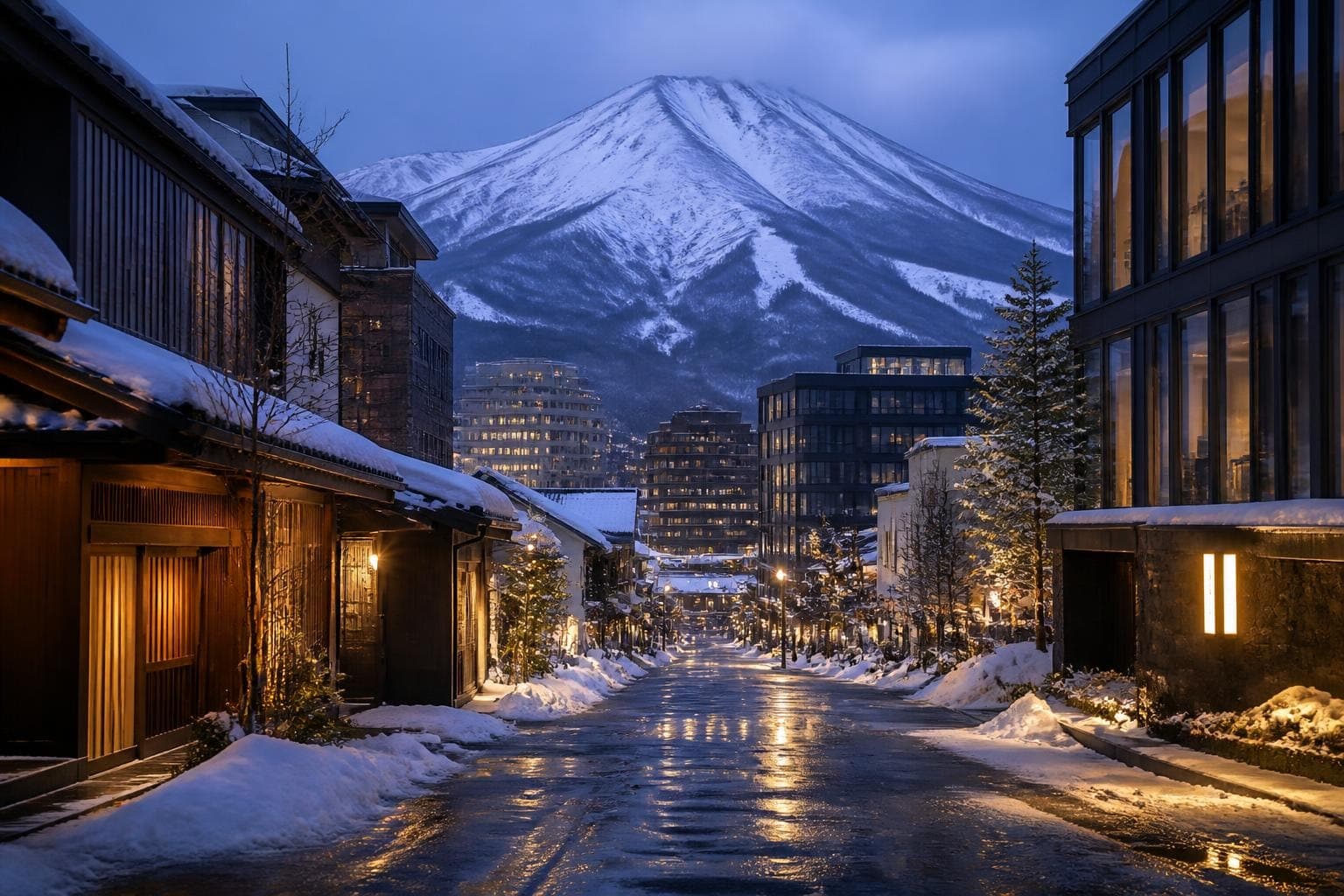
Feel winter in Kutchan up close, where comfortable stays sit under the steady silhouette of snow-capped Mount Yotei.
World-Class Skiing and Winter Sports
Kutchan works as a front door to some of Asia’s strongest ski terrain. Big numbers. The region averages about 15 meters of powder snow a year, driven by cold Siberian air mixing with moisture from the Sea of Japan, and the result is that famous light, dry powder people talk about like it’s hearsay until they face-plant into it and come up grinning.
Premium Ski Resort Access
From town, it’s easy to reach four interconnected resort zones, which is handy because groups rarely ski the same way for long. One morning someone wants soft groomers. Another person wants trees. Someone else needs a slow start after a late dinner, and having options nearby stops that quiet friction from building into a trip-killer.
| Resort Area | Terrain Focus | Premium Amenities | Ideal For | | --- | --- | --- | --- | | Grand Hirafu | Varied terrain, the largest area | Luxury hotels, fine dining | Families, groups | | Hanazono | Advanced runs, terrain parks | Private chalets, exclusive experiences | Advanced skiers | | Niseko Village | Tree skiing, quiet slopes | Spa facilities, golf course | Couples, relaxation | | Annupuri | Gentle slopes, backcountry access | Traditional onsen, authentic cuisine | Beginners, cultural enthusiasts |
On the ground, the support systems are aimed at visitors who don’t want drag: heated gondolas, serious grooming, and staff who can help in English when you’re trying to sort out a boot issue at 8:15 a.m. in a lobby that smells faintly of wax and wet gloves. Worth it. If you’ve ever burned half a ski day on avoidable confusion, you’ll feel the contrast fast.
Cultural Heritage and Local Traditions
Kutchan isn’t only snow and ski racks. It still carries Hokkaido’s farming roots and links to Ainu culture, and even the town name comes from the Ainu language, which quietly points to a longer timeline than the modern resort boom suggests.
Agricultural Excellence
The volcanic soil around Mount Yotei does something special. Kutchan potatoes are famous among Japanese chefs for taste and texture, and they show up on high-end menus across Japan, including Michelin-starred kitchens, with prices that reflect how seriously people treat them.
Summer brings Yotei melons, grown with a steady, almost shokunin-like attention to the little steps that stack up over time. Sweetness lands clean. The flesh stays silky, and you can tell someone fussed over timing and temperature rather than rushing a harvest. These agricultural treasures help keep Kutchan feeling grounded even when winter crowds thicken.
Seasonal festivals and farm-to-table meals keep that farming story visible instead of hiding it behind resort polish, and private farm visits can be arranged too, which changes how you think about dinner later because the faces behind the produce stop being abstract.
Culinary Experiences and Gastronomic Tourism
Kutchan’s food scene didn’t always look like it does now. It has expanded quickly, nudged by international visitors with sharp expectations and chefs who know how to use Hokkaido ingredients without turning dinner into theater, so one night can feel quiet and traditional while the next leans modern and chatty, and both still orbit the same idea of shun.
Premium Dining Categories
Traditional Japanese Cuisine: Restaurants serving kaiseki ryori lean hard on local sourcing, building seasonal menus around Hokkaido’s strengths. Winter plates often bring king crab from nearby waters, uni from coastal harvests, and Hokkaido wagyu, and the pacing is deliberate in that wabi-sabi way that lets the room settle instead of hurrying you along.
Contemporary Fusion: Some international chefs here combine Japanese ingredients with global technique, and the result can read as bold or restrained depending on the kitchen. It isn’t always “fusion” in a loud sense; sometimes it’s one small choice—a sauce, a char, a pinch of something unexpected—that makes you stop mid-bite and look up.
Exclusive Experiences: Private dining can mean an in-chalet chef, a sake pairing set, or access to limited-production bottles that rarely reach public lists. Big mistake. Waiting until the last minute for these during January can leave you hunting for whatever has a table at 9:30 p.m., tired and slightly annoyed, even if the food still turns out fine.
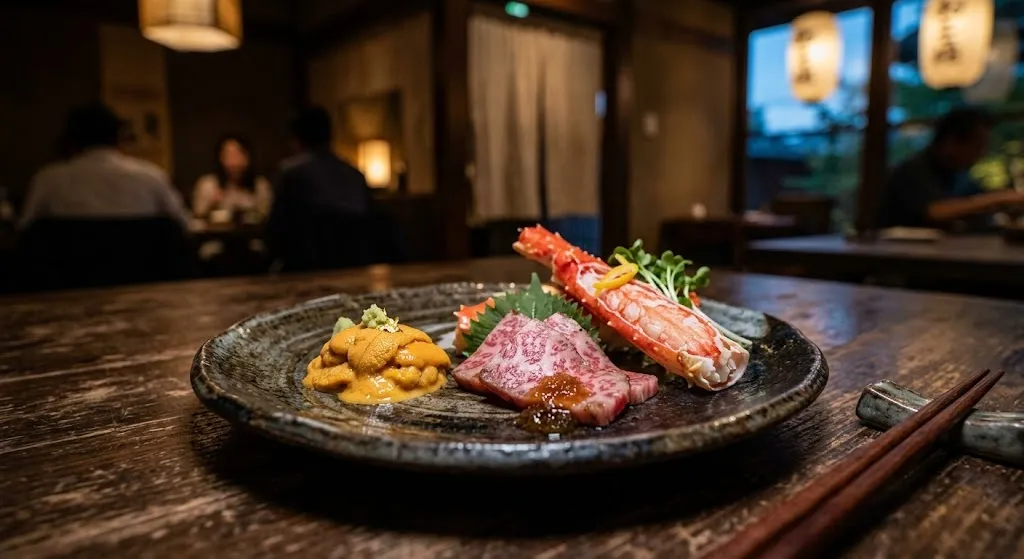
Settle into kaiseki ryori that leans on Hokkaido staples like wagyu and uni, handled with a quiet, methodical hand.
Luxury Accommodations and Premium Services
Stays in Kutchan run from small boutique properties to large private chalets, and the spread is wider than most first-timers guess. Different feel. Different rhythm. The hospitality scene has grown up quickly, and many services now resemble what travelers associate with top European alpine towns, yet the mood stays distinctly Japanese, with omotenashi showing up in small actions rather than speeches.
Accommodation Options for Discerning Travelers
- Private chalets with dedicated staff and concierge services
- Boutique hotels featuring onsen facilities and spa treatments
- Traditional ryokan offering authentic Japanese hospitality
- Ski-in/ski-out properties with equipment storage and heated boot rooms
- Family-friendly resorts with childcare services and kids’ programs
Many premium properties bundle practical help: private shuttles, gear rentals delivered to your door, dining reservations, and day-by-day activity planning that doesn’t read like it was pasted from a sales sheet. Multilingual staff are common, so you can explain what you need without hand signals. JRS staff member Nico once stood outside Kutchan Station in blowing snow, phone pressed to his ear, walking a guest through a lost-luggage tangle step by step; when it finally clicked, he exhaled and said, “Hokkaido weather changes faster than airlines,” then tucked the phone away like it was just another Tuesday.
Natural Attractions Beyond Skiing
Skiing gets the headlines, but Kutchan holds up in other seasons too. Lake Hangetsu Nature Park is a clean example: quiet forest trails, a slower kind of scenery, and lookout points where Mount Yotei appears and disappears behind branches depending on the light and your timing.
Summer and Autumn Activities
When the snow finally backs off, the region feels like it turns a page. The Niseko range becomes hiking country, with routes that run from gentle valley walks to steeper summit pushes, and mountain biking has grown too, including dedicated trails and lift-assisted downhill lines for people who want speed without the climb.
Golf courses here use the mountains as a steady backdrop, and the cooler summer temperatures and lower humidity make long rounds less draining than many travelers expect in Japan. Not perfect, though; a sudden rain can flip the greens quickly, and you’ll hear carts humming back to the clubhouse earlier than planned while players shake water off their caps.
Kutchan also hosts events like the Hokkaido Triathlon, which has helped widen the area’s identity beyond winter sports and keeps the town lively in shoulder seasons.
Demographics and International Community
Kutchan’s population stays around 15,000, but the feel of the place has changed as tourism and overseas investment have grown. More permanent foreign residents live here now, and that creates a mixed, outward-looking tone that feels unusual for a community this size in Japan, especially once you start noticing it in small daily interactions.
You see that influence in day-to-day details:
- Multilingual signage throughout the town
- International schools catering to expatriate families
- Diverse restaurant offerings representing global cuisines
- English-language services at government offices and businesses
- Cultural events celebrating both Japanese and international traditions
The mix can feel oddly natural. Local routines stay intact, yet visitors don’t feel stranded, so you can order coffee, handle a small problem at a counter, and still share a narrow aisle with an older resident buying vegetables as if it’s just another weekday errand.
Transportation and Accessibility
Getting to Kutchan is much easier than it used to be. New Chitose Airport is about 120 kilometers away, and there are multiple ways to cover that distance depending on budget, luggage, and how much you dislike waiting around in winter layers.
Premium Transfer Options
Many travelers pick private car services for a direct transfer in a higher-end vehicle, mostly because it keeps the day straightforward and lets you control stops if you need them. Two hours is typical in normal road conditions, and the drive cuts through open countryside where you catch quick glimpses of rural Hokkaido life you’d miss if you flew in and sprinted straight to the lifts.
| Transfer Method | Duration | Advantages | Ideal For | | --- | --- | --- | --- | | Private car service | 2 hours | Direct, flexible, comfortable | Families, groups with luggage | | Luxury bus | 2.5 hours | Cost-effective, reliable schedule | Solo travelers, couples | | Train + transfer | 3 hours | Scenic route, authentic experience | Cultural enthusiasts | | Helicopter charter | 30 minutes | Ultimate luxury, time-efficient | Business travelers, special occasions |
Inside Kutchan, complimentary shuttles connect major accommodations with ski areas and the town center, though plenty of visitors still prefer a private driver for the extra local knowledge. One February evening at about 7:10 p.m., a driver outside a hotel entrance muttered, “Kyou wa tsurutsuru,” and pointed at the road glaze; it was a quick reminder that winter operations here are practical work, not just postcard romance.
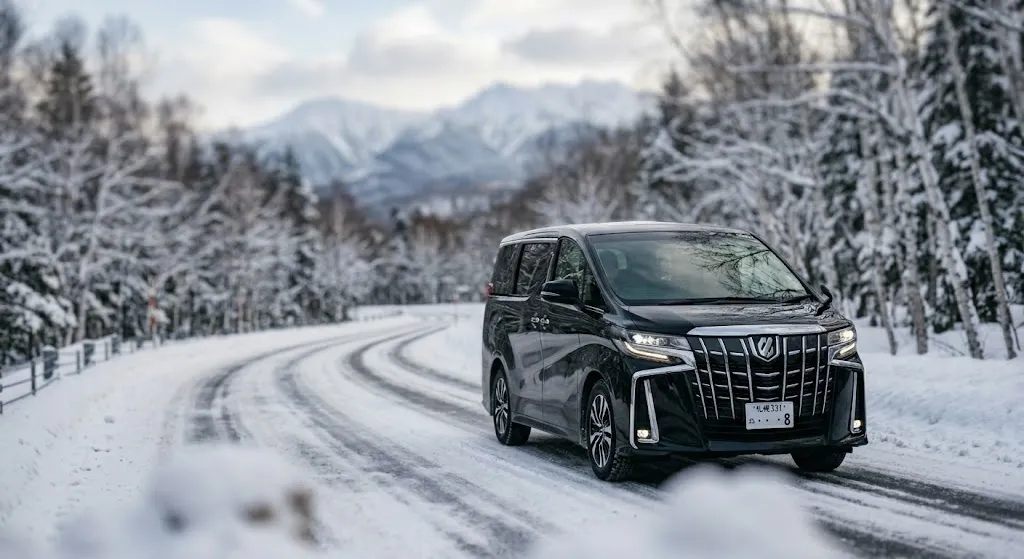
A private vehicle transfer can keep the two-hour ride calm and direct, even when Hokkaido roads turn slick and bright with packed snow.
Shopping and Local Crafts
Shopping in Kutchan mirrors its split personality: everyday Japanese town plus international resort hub. Along Route 5, you’ll find long-running local stores selling regional foods next to newer boutiques aimed at visitors who show up with empty luggage and very specific preferences.
Unique Shopping Experiences
Local Specialties: Shops selling Kutchan potatoes, Yotei melons (when they’re in season), local sake, and Hokkaido dairy make the most sense as souvenirs because they’re tied to place, not trend. Many stores can ship internationally, which saves you from wrestling boxes through airports at the end of a long trip.
Craft and Artisan Goods: Pottery, textiles, and woodwork show up too, made with traditional methods that don’t beg for attention. Some pieces feel intentionally imperfect in a wabi-sabi way, and that’s exactly why they sit well back home, even in a modern apartment.
Ski and Outdoor Equipment: Higher-end gear shops carry international brands, and the better ones will fit boots and adjust gear with real patience, which matters when you’re trying to save a week of skiing from one small hotspot on your heel that keeps getting worse.
Real Estate and Long-Term Stays
Kutchan’s day-to-day livability has pulled in international real estate investment, especially for luxury chalets and condominiums that double as second homes. For some visitors, owning a base here turns Kutchan from a once-a-year trip into a repeated seasonal routine that starts to feel familiar in the best way.
Longer stays let families see the town beyond the obvious highlights, and the international community, schooling options, and all-season activities make seasonal residency realistic for many. Some owners also rent out their properties when they’re away, creating income opportunities while keeping personal access to the region.
Health and Wellness Facilities
Wellness in Kutchan still starts with onsen. Simple truth. Hot springs remain central, but modern spa facilities have expanded the menu, mixing Japanese bathing traditions with contemporary treatments for guests who want something structured after long days outside and too many steps in ski boots.
Premium establishments offer services including:
- Traditional Japanese massage and shiatsu
- Contemporary spa treatments using local ingredients
- Yoga and meditation sessions with mountain views
- Nutritional consultations featuring local cuisine
- Fitness facilities with personal training services
Put it together—outdoor effort, hot water, clean air, and food that tastes like it came from nearby fields or cold seas—and you get a place that can reset you faster than you expect, even if you arrived thinking you were only here to chase powder and nothing else.
Planning Your Kutchan Experience
A strong Kutchan trip usually comes down to planning, especially if you care about specific properties and specific tables. Peak season (December through February) sells out quickly, and the last-minute approach can work in some places, but it’s a gamble here, particularly for larger parties or anyone who wants a certain standard of stay without compromises.
Essential Planning Considerations
Timing: Peak winter brings the best odds for ideal snow, while early December and March can offer better value and lighter crowds without giving up the main experience. Summer shifts the focus to hiking and agriculture, and it reads like a different destination in a good way, with longer light and a softer pace.
Duration: Staying 5 to 7 days gives enough time to try multiple ski areas and still leave room for cultural stops without running on fumes. Longer visits make it easier to connect with the community and schedule things that need advance coordination, especially when you’re traveling with a mixed group.
Custom Experiences: Tailored services can include private ski lessons with Olympic coaches, special dining arrangements with respected chefs, workshops with local artisans, and access to places that don’t normally open to casual visitors, which can be the difference between “nice trip” and a story you keep repeating years later when someone asks why Hokkaido stuck with you.
Environmental Stewardship and Sustainable Tourism
Kutchan has moved toward sustainable tourism with the plain understanding that the landscape is the whole point. Development regulations, waste programs, and environmental education all aim to protect the area over the long term, because a damaged winter environment is a broken business model no one can talk their way around.
Many higher-end properties are adopting greener systems without making guests feel like they’re giving something up: solar power, geothermal heating, local materials, and waste-reduction measures are increasingly common. It’s not perfect. But the direction is readable, and visitors can support that by choosing eco-certified stays and treating natural areas like they matter.
Travelers also contribute by spending locally, treating trails and forests with basic respect, and supporting cultural preservation efforts that keep the town from sliding into a generic resort zone that could be anywhere.
The Kutchan Lifestyle Experience
Kutchan feels different from purpose-built resort areas because it’s still a working town with real residents and routines that don’t orbit tourism alone. That’s the hook. It makes the trip feel lived-in instead of shrink-wrapped, and you catch it in little snapshots like grocery bags on a bus seat next to a ski helmet and a kid still in school uniform.
A day here can swing through contrasting moods without feeling staged: morning powder laps, a quick bowl of ramen at a neighborhood shop, a long onsen soak while snow taps the window, then kaiseki by a chef who moves with quiet shokunin confidence, and somehow it doesn’t land as a checklist when you’re in the middle of it.
Because the town is compact, getting around stays simple, and you don’t spend the whole week trapped in transit. Walk a few blocks and you might pass farmers selling produce, international families ducking into a coffee spot, and instructors talking conditions—all close enough that you can hear a line like, “Wind might close the top,” while you zip your jacket, consider your legs, and decide whether to chase lifts or take the slower day.
Kutchan shows where Japan’s high-end travel is heading: stronger infrastructure paired with real cultural contact, set inside one of the planet’s most dramatic winter landscapes. Whether you come for the famous powder, the food, or the unusual blend of Japanese and international daily life, this corner of Hokkaido tends to outpace expectations without needing to brag about it. Japan Royal Service specializes in building tailored Kutchan plans, from arranging private chalet stays and ski instruction to securing restaurant reservations and setting up cultural immersion activities, so your time in town runs clean and focused, with fewer loose ends.