Cities
Japan Luxury: Best Tokyo Attractions for 2026
Discover the finest japan attractions tokyo has to offer in 2026. From imperial palaces to hidden temples, plan your bespoke luxury journey.
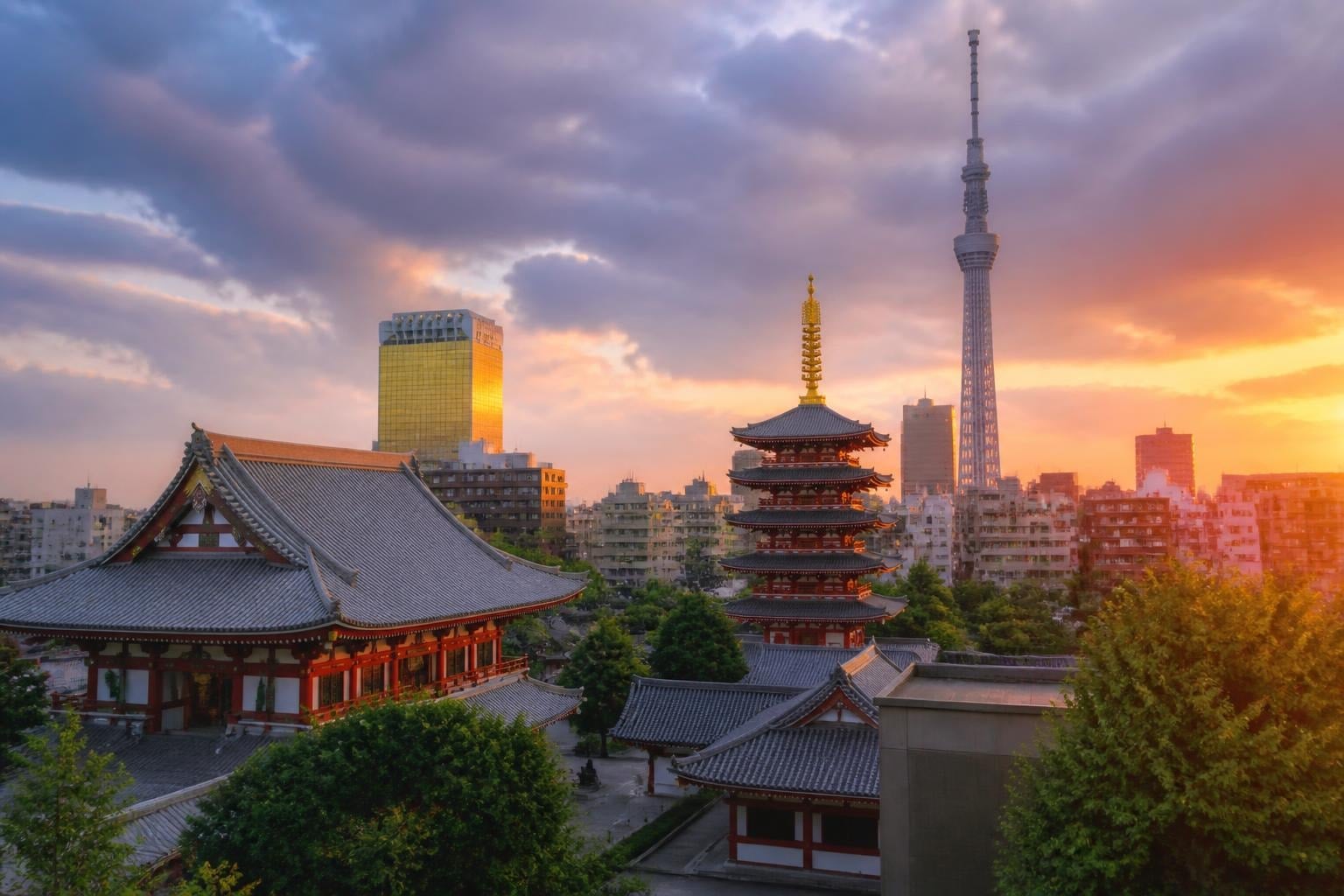
Tokyo is a fast, old, shiny city. Blink and you miss the hand-painted sign beside a glass tower, and that little mismatch is exactly the point for travelers who like details more than slogans.
Some places sell “future” as a mood, but Tokyo shows it in small, practical ways while history sits nearby, stubborn and intact, so you can move from palace moats to neon streets in the same afternoon without feeling like you changed countries.
Want temples. Want tasting menus. Want quiet galleries at odd hours. Tokyo can do all of that, though it asks for timing, a bit of local context, and the willingness to accept that the “best” plan sometimes gets bent by rain, crowds, or a gate that’s simply shut.
Imperial Heritage and Historic Landmarks
Tokyo’s imperial past shows up in places that still feel lived-in, not staged. You notice it in stone walls, clipped pines, and the way people lower their voices without being told.
The Imperial Palace remains the Emperor’s main residence and serves as the nation’s ceremonial center, but visitors don’t get full access, so expectations matter. The inner grounds are restricted; the East Gardens are open, and they’re the part where you can read Edo Castle’s old footprint in the fortifications and the patient geometry of traditional landscaping.
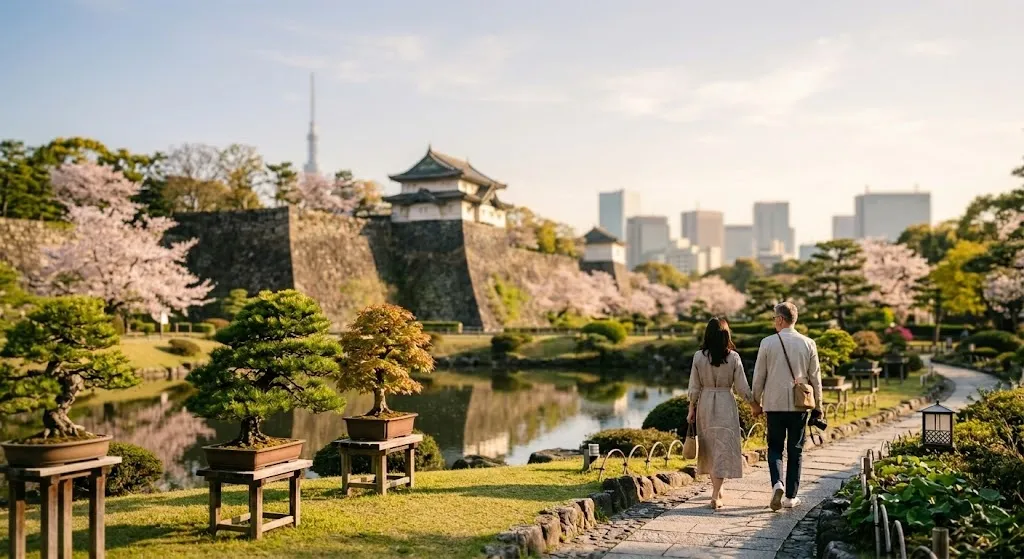
The East Gardens are the kind of place where a quiet walk does the work: imperial history, trimmed lawns, and the sense that the city’s noise is kept at the edges.
Sensō-ji Temple Complex
Sensō-ji in Asakusa is Tokyo’s oldest Buddhist temple, founded in 628 AD. It can feel busy, even loud, but the route from Kaminarimon through Nakamise has its own rhythm—sweet soy, incense, souvenirs, and then a sudden hush as you get closer to the Main Hall.
Key elements of the Sensō-ji experience:
- Kaminarimon Gate, with its massive red lantern weighing 700 kilograms
- Nakamise Shopping Street features 89 traditional shops
- Main Hall housing the golden Kannon statue
- The five-story pagoda rising 53 meters
- Incense cauldron where visitors gather healing smoke
It’s not just “see temple, take photo.” The complex makes the spiritual side feel present while still welcoming visitors, and if you go early—say, before 9:00 AM—the clack of geta and the first shop shutters rolling up can be louder than the crowd.
Contemporary Architectural Marvels
Tokyo’s skyline is a working showroom. Tall things, sure, but also the engineering choices behind them.
Tokyo Tower, finished in 1958, began as a broadcasting hub and still reads as an icon when it lights up against low clouds. The official Tokyo travel guide provides comprehensive information on observation decks and hours, and it’s smart to check before you go because schedules can shift around events.
Tokyo Skytree opened in 2012 and rises to 634 meters, holding the title of the world’s tallest tower. Two observation decks sit at 350 and 450 meters, and on a clear winter day you can trace the Kanto Plain like a map someone unfolded beneath your feet.
| Tower | Height | Observation Levels | Opened | Special Features | | --- | --- | --- | --- | --- | | Tokyo Tower | 333m | 150m, 250m | 1958 | Eiffel Tower-inspired design | | Tokyo Skytree | 634m | 350m, 450m | 2012 | Earthquake-resistant technology | | Roppongi Hills | 238m | 250m observatory | 2003 | Mori Art Museum integration |
Shibuya Scramble Crossing District
Shibuya Crossing is busy in a very measurable way: about 2,500 people per cycle at peak. Step off the curb and it’s a quick wave of bodies, camera shutters, and a few shouted “sumimasen” as people re-thread their paths.
Shibuya’s recent growth has gone vertical, and Shibuya Scramble Square (completed in 2019) reaches 230 meters with a rooftop observation deck. If you time it right—late afternoon into dusk—you get that brief moment when the city turns reflective and every window starts to look like water.
Cultural Districts and Neighborhood Experiences
Tokyo makes more sense neighborhood by neighborhood. Pick the wrong order and you’ll feel wrung out.
Each district leans into a specialty, and Tokyo’s diverse districts show how quickly the mood can flip, from gadget counters to quiet craft corners, sometimes in a single train stop.
Harajuku and Omotesando
Harajuku is loud on purpose. Takeshita Street is a squeeze of boutiques and snacks, and you’ll hear the same pop chorus bounce from three storefronts at once.
Then Omotesando changes the temperature. The boulevard’s luxury retail sits inside buildings that are worth looking at even if you buy nothing, because the architecture (and the people-watching) is part of the stroll.
Notable Omotesando architecture:
- Tod’s Building by Toyo Ito
- Prada Aoyama by Herzog & de Meuron
- Dior Building by SANAA
- Omotesando Hills by Tadao Ando
The contrast is the hook: playful street fashion on one side, polished restraint on the next, with only a crosswalk separating them. Worth it.
Ginza Luxury Shopping District
Ginza is tidy, shiny, and very specific about service. On weekend afternoons, parts of Chuo-dori become pedestrian-only, and the street turns into a slow-moving promenade where people actually stop to look up.
Mitsukoshi, Matsuya, and Wako aren’t just places to buy; they’re demonstrations of omotenashi, from the way a purchase is wrapped to the way directions are given (often with a small bow and a perfectly pointed hand). If you’re traveling as a pair or a small group of four, it’s also one of the easiest areas to keep everyone together without constant “where did you go?” checks.
Omotesando’s design scene can feel like an outdoor gallery: landmark facades, high fashion, and a steady stream of shoppers who treat architecture as part of the purchase.
Natural Retreats Within the Metropolis
Tokyo has real green relief. Not a token park. Actual breathing room.
These gardens and parks come from long horticultural practice and a mindset that accepts wabi-sabi—texture, season, small imperfections—rather than trying to flatten nature into a postcard.
Shinjuku Gyoen National Garden
Shinjuku Gyoen covers 58.3 hectares and mixes three styles: Japanese traditional, French formal, and English landscape. It’s a strange combination on paper, yet on foot it works, especially when you drift from straight paths to softer lawns without noticing where the handoff happened.
The garden holds about 1,500 cherry trees across 75 varieties, which stretches the viewing season beyond the typical hanami rush. Spring blooms can roll from early February to late April, and in autumn the maples, ginkgos, and zelkovas shift into sharp color that makes even a cloudy day feel brighter.
Tea houses in the Japanese garden area host ceremonies that hint at chanoyu’s quiet discipline, and you can see shokunin-like attention in small things: the rake lines, the pruned edges, the way gravel is kept clean after a windy night.
Meiji Jingu Shrine Forest
Meiji Jingu sits right beside Harajuku’s commerce, but the first torii and the gravel path change the sound under your shoes. It’s a 70-hectare forested sanctuary dedicated to Emperor Meiji and Empress Shoken.
The forest is artificial, planted in 1920, with about 120,000 trees across 365 species donated from around Japan. On weekend mornings you often see Shinto weddings—white garments, measured steps, the faint rustle of fabric—and it feels like you accidentally wandered into someone’s private day. Big mistake if you’re talking too loudly.
The treasure museum holds imperial artifacts, calligraphy, and clothing, and it’s an easy add-on if you want something quieter after the shrine grounds.
Culinary Excellence and Food Markets
Tokyo eats seriously. And it eats early.
The city’s 226 Michelin-starred restaurants (as of 2026) are one headline, but the more useful truth is how many everyday streets can feed you well without ceremony, from grilled fish set meals to perfect fruit you didn’t plan to buy.
Tsukiji Outer Market
After the wholesale market moved to Toyosu in 2018, Tsukiji’s outer market kept going, with roughly 400 shops and restaurants. Go in the morning and you’ll see the operational side—delivery carts, vendors calling orders, knives being tested with a thumbnail—before it turns into a heavier tourist tide.
Specialty stalls sell seafood, produce, and ready-to-eat bites, plus serious tools: dried goods, tea, blades, and cooking gear used by working kitchens. One JRS colleague, Nico, once got there at 8:12 AM with a client who “wasn’t hungry,” and ten minutes later he was holding a warm tamago-yaki and quietly admitting, “Okay… that’s good.”
Market exploration strategy:
- Arrive between 8:00 and 10:00 AM for optimal freshness
- Sample maguro (tuna) at multiple vendors to compare quality
- Visit tamago-yaki (rolled omelet) specialists
- Explore tsukemono (pickled vegetables) varieties
- Purchase authentic Japanese kitchen tools
Depachika Food Halls
Depachika turns grocery shopping into a small spectacle. Bright lights, crisp uniforms, and counters that look arranged with a ruler.
You’ll see wagyu, seasonal fruit at peak shun, immaculate confections, and prepared foods laid out like museum pieces—except you can actually eat them. The comprehensive guide to Tokyo activities points to a wide spread of food experiences, and depachika is often the easiest “yes” for mixed tastes in one group.
Museums and Art Institutions
Tokyo’s museums cover a lot of ground. Ancient objects. New media. Everything in between.
Some days you want lacquer and scrolls; other days you want light, code, and rooms that move around you, and the city doesn’t force you to choose a single mood for an entire trip.
Tokyo National Museum
In Ueno Park, the Tokyo National Museum holds the world’s largest collection of Japanese art, about 110,000 objects. The Honkan (Japanese Gallery) walks through periods with national treasures, while other galleries cover Asian art, archaeology, and rotating special exhibitions.
The museum garden opens seasonally, and when it does, you can step into tea houses and stone monuments that usually stay behind barriers. Spring and autumn are the usual windows, so if you arrive in those seasons, it’s a smart detail to confirm before you build a schedule around it.
teamLab Borderless and Planets
teamLab’s permanent installations have changed what people expect from “a museum.” You don’t just look; you walk, pause, get surprised, and occasionally get lost on purpose.
teamLab Borderless moved to Azabudai Hills in 2024 and sets up environments where the works drift through rooms and react to visitors. teamLab Planets in Toyosu includes wading through water-filled installations, which sounds like a gimmick until you notice how quietly everyone starts moving, as if the room itself asked for manners.
| Museum Type | Example Institution | Collection Focus | Annual Visitors | | --- | --- | --- | --- | | National | Tokyo National Museum | Japanese antiquities | 1.5 million | | Contemporary | Mori Art Museum | International contemporary | 800,000 | | Digital | teamLab Borderless | Interactive digital | 2.3 million | | Photography | Tokyo Photographic | Historical to modern | 300,000 |
Entertainment and Nightlife Districts
Tokyo at night splits into zones. Each one has its own rules.
Some districts lean art-forward, some lean party-forward, and some are basically tiny rooms with a bartender who remembers what you ordered last time—assuming you can find the door.
Roppongi Art Triangle
Roppongi ties nightlife, dining, and visual arts to three institutions: the Mori Art Museum, the National Art Center, Tokyo, and the Suntory Museum of Art. The “Art Triangle” runs later hours than many museums, so it’s a useful option when daytime is already packed.
Roppongi Hills and Tokyo Midtown mix retail, residences, offices, and cultural venues into stacked communities. It attracts international residents and visitors, and you feel that in the dining options—menus switching languages mid-page, staff moving between styles of service without fuss.
Kabukicho and Golden Gai
Kabukicho is Japan’s largest entertainment district, and it can be a lot. Lights, signs, noise, and more choices than you can process in one walk.
Golden Gai, right nearby, is the opposite scale: about 200 tiny bars, often with room for only 5–10 people. Many places have a theme—music, books, a profession—and the tightness forces conversation, or at least polite silence when the room is full.
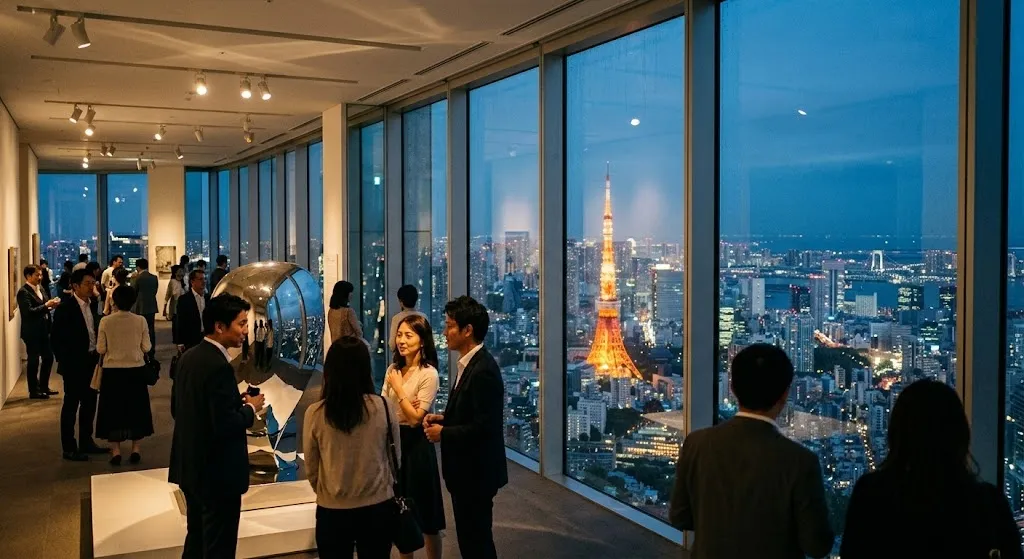
Up high in Roppongi, art and city views sit in the same frame, which makes an evening museum visit feel like part exhibition and part skyline watch.
Seasonal Events and Cultural Celebrations
Tokyo changes with the calendar. Quickly. Sometimes overnight.
Seasonal events shape what you’ll see and how crowded it feels, and locals plan around them with the same seriousness visitors reserve for flight times.
Cherry Blossom Viewing Sites
Hanami usually peaks late March into early April, and different spots create different scenes:
- Chidorigafuchi – Moat-side viewing with boat rentals
- Ueno Park – 1,200 trees creating pink canopies
- Sumida Park – Riverside promenade along the Sumida River
- Shinjuku Gyoen – Extended season with early and late varieties
- Meguro River – Four-kilometer tunnel of blossoms
For premium options, people look at private boat charters on the Imperial Palace moats or limited evening illumination access, which can feel calmer simply because fewer phones are held over heads at once.
Fireworks Festivals
Summer fireworks—especially the Sumida River Fireworks in July—send about 20,000 fireworks into the sky over two hours. It draws crowds over one million, which means trains, exits, and meeting points become the actual challenge, not the fireworks themselves.
Day Trip Destinations from Tokyo
Tokyo can fill your whole itinerary. Still, day trips keep the pace honest.
Nearby regions offer a clean change in air, scenery, and tempo, and they’re reachable within a day if you don’t pretend you can do “everything” before dinner back in the city.
Mount Fuji and Hakone Region
Mount Fuji sits about 100 kilometers from Tokyo and shows itself on clear days from certain observation decks. Hakone adds hot springs, mountain views, and museums such as the Hakone Open-Air Museum, where sculptures sit against natural backdrops that keep changing with the light.
The Hakone Loop uses multiple transport modes—mountain railway, cable car, ropeway, and a pirate ship cruise on Lake Ashi—and the switching is part of the fun, even when signs make you double-check you’re in the correct line.
Nikko World Heritage Sites
Nikko is about 140 kilometers north of Tokyo and preserves Edo-period architecture at Toshogu Shrine, dedicated to Tokugawa Ieyasu. The site includes 5,000 carvings, including the famous “see no evil, hear no evil, speak no evil” monkeys.
The surrounding area offers trails, waterfalls, and Lake Chuzenji, and mid-October often brings peak autumn foliage, with color sitting hard against dark wood and carved detail.
Specialized Interest Tourism
Tokyo rewards niche obsessions. Whatever yours is.
The city supports focused districts and odd little corners that don’t show up as “must-sees” until you’re already there and realize you’ve lost an hour to a single shop shelf.
Technology and Electronics Districts
Akihabara started as a post-war electronics market and grew into a global center of otaku culture. You’ll find electronics, PC parts, anime goods, and games spread across multi-floor specialty stores, and Time Out Tokyo’s comprehensive list touches on these neighborhood experiences if you want broader context.
Maid cafes, arcades, and themed venues create subculture spaces that can feel strangely welcoming if you’re curious and patient. Sony Building Ginza showcases emerging tech through interactive demos, which is a different kind of spectacle—less noise, more “try it and see.”
Traditional Craft Workshops
Several neighborhoods keep artisan traditions alive through hands-on workshops:
- Asakusa – Traditional craft shops selling Edo kiriko cut glass, kanzashi hair ornaments, and handmade paper
- Kagurazaka – Geisha district with calligraphy and tea ceremony experiences
- Yanaka – Preserved Showa-era neighborhood featuring pottery studios and textile workshops
These sessions make the culture tactile. You leave with something small, sometimes imperfect, and that’s the point.
Premium Transportation and Access
Getting around Tokyo is the real skill. The trains are fast; the system is dense.
If you’re visiting multiple districts in one day, the difference between a smooth day and a tired one often comes down to exits, transfers, and whether you accidentally walked out of the station onto the wrong side of a wide road.
Railway Network Mastery
Tokyo’s rail network stitches together JR lines, private railways, and subways run by Tokyo Metro and Toei. The Yamanote Line loops central Tokyo and hits major areas every 2–4 minutes during peak times, which feels magical until you realize you still have to pick the correct door.
Essential railway considerations:
- Purchase IC cards (Suica or Pasmo) for seamless travel
- Download navigation apps with English support
- Avoid rush hours (7:30-9:30 AM, 5:30-7:30 PM)
- Reserve seats on the limited express services
- Understand station exit numbering systems
For travelers who value comfort and minutes saved, luxury transportation can be the clean alternative: a private vehicle with a professional driver means you skip platform puzzles and keep your day flexible when a reservation shifts or weather turns.
Airport Connections
Narita and Haneda both serve Tokyo, and each has a clear trade-off. Haneda is closer (about 30 minutes to central Tokyo), while Narita sits farther out but offers more international connections.
Premium transfers range from private sedans to luxury vans for groups, and helicopter transfers can cut the trip to around 15 minutes while giving you a quick aerial read of the city’s scale. It’s brief. It’s efficient. It’s also the kind of detail you remember later, when traffic looks like a slow river below.
Exclusive Access and VIP Experiences
Some Tokyo moments don’t come from standing in line. They come from doors that open after closing.
The difference is quiet: fewer people, more time with an object or a practice, and the sense that you’re seeing the “operational” side rather than the public-facing version.
Private Museum Tours
Several institutions offer after-hours private tours, which changes the entire feel of a collection. Occasionally, curators lead focused sessions on specific movements, techniques, or historical periods, and the conversation can get wonderfully narrow in the best way.
Sumo Stable Visits
Morning practice at a sumo stable shows the discipline behind the sport: repetitions, hierarchy, and silence broken by sharp calls. Visits arranged through specialist connections may include breakfast chanko-nabe, and you learn quickly that the meal is part recovery, part ritual.
Kaiseki at Renowned Establishments
Top kaiseki in Tokyo usually means booking months ahead, and some places accept only introduced guests. These multi-course meals highlight seasonal ingredients—shun matters here—and the craft feels generational, like a shokunin handing down tiny decisions about knife angle and heat.
Restaurants such as Kanda, Ishikawa, and Koju are often cited as examples at the highest level, and the experience tends to be less about “big flavors” and more about precision you can taste if you slow down.
Shopping Beyond the Ordinary
Shopping in Tokyo can be straightforward. It can also be oddly educational.
When craftsmanship and service are treated as part of the product, browsing turns into a kind of lesson, even if you walk out with only one small item tucked into immaculate wrapping.
Kimono and Textile Selection
Nihonbashi and Ginza have specialty shops for antique and modern kimono, and staff can guide you through what works for different occasions without making it feel intimidating. Custom options take multiple fittings, which is slower, but the result matches your proportions and preferences in a way off-the-rack never can.
Knife and Kitchenware Districts
Kappabashi Street has around 170 shops focused on restaurant gear and kitchenware. Japanese knives aren’t a single category; you’re choosing steel, profile, and maintenance commitment, and good retailers talk you through it with almost clinical clarity.
If you’ve never cared for carbon steel before, say so. If you pretend you know and then buy the wrong thing, you’ll learn the hard way.
Department Store Mastery
Japanese department stores are serious about presentation and service, and seasonal gift periods—ochugen in summer and oseibo in winter—turn the floors into a crash course in gift culture. Packaging isn’t an afterthought; it’s part of the message, and you can watch staff fold and seal with practiced, quiet speed.
Practical Considerations for Luxury Travelers
Small details change the trip. Shoes. Seasons. Timing.
Comfort and access often come down to choices that sound boring until they save an hour, reduce friction, or keep a day from turning into a long line followed by a rushed meal.
Seasonal Timing Strategies
Tokyo’s seasons affect weather and crowd levels in predictable ways:
| Season | Months | Advantages | Considerations | | --- | --- | --- | --- | | Spring | March-May | Cherry blossoms, mild weather | Peak tourism, higher prices | | Summer | June-August | Festivals, fireworks | Heat, humidity, rainy season | | Autumn | September-November | Fall foliage, pleasant temperatures | Typhoon season early period | | Winter | December-February | Clear skies, fewer crowds | Cold temperatures, occasional snow |
Premium hotels often price highest in spring and autumn, while shoulder seasons can feel like a practical compromise: decent weather, less demand, and a little more breathing room at popular sites.
Cultural Protocol and Etiquette
Tokyo runs on unspoken courtesy, and visitors do better when they copy the local volume and pace. Take shoes off when required (temples, homes, some restaurants), keep train conversations quiet, skip phone calls on trains, and stand on the left side of escalators in Tokyo.
At restaurants, tipping is not customary and can be taken as rude; “itadakimasu” before eating is a small, human gesture; and finishing what you’re served is a simple way to show respect. None of this is complicated, but it changes how your interactions feel—softer, smoother, more welcome.
Emerging Attractions and Future Developments
Tokyo keeps building. And rebuilding. You can feel it month to month.
New projects don’t erase the old city so much as stack on top of it, and that mix—heritage next to fresh development—gives repeat visitors something new without rewriting everything they loved.
Azabudai Hills
Azabudai Hills opened in late 2023 across 8.1 hectares, combining residential, office, commercial, and cultural space. It includes the relocated teamLab Borderless, luxury shopping, and rooftop gardens with mature trees transplanted to create an instant forest effect.
Torch Tower Development
Torch Tower is scheduled to finish in 2028 and reach 390 meters, making it Japan’s tallest building. Plans include observation facilities, hotel accommodations, and cultural spaces near Tokyo Station, which means the area will likely feel different even for people who know it well.
Heritage Preservation Projects
Tokyo continues to designate and restore historic structures while adapting them for current use. Station Hotel renovation work, machiya conversions, and Edo-period garden restorations keep older textures in the city even as newer districts rise around them.
Tokyo’s mix of old practice and new ideas gives you options, from temple grounds and garden paths to digital installations that change with your footsteps. Seeing the city well takes inside timing, a sense for crowds, and comfort with cultural nuance, because the best days here are rarely “perfect”—they’re just well-handled. Japan Royal Service designs bespoke Tokyo experiences with private access, luxury transportation, and expert guidance, helping you spot the city’s quieter wins while keeping the logistics under control.