Culture
Ise Shrine Geku 伊勢神宮
The Ise Grand Shrine, which also called Ise Jingū, is locate
Ise Shrine Geku 伊勢神宮
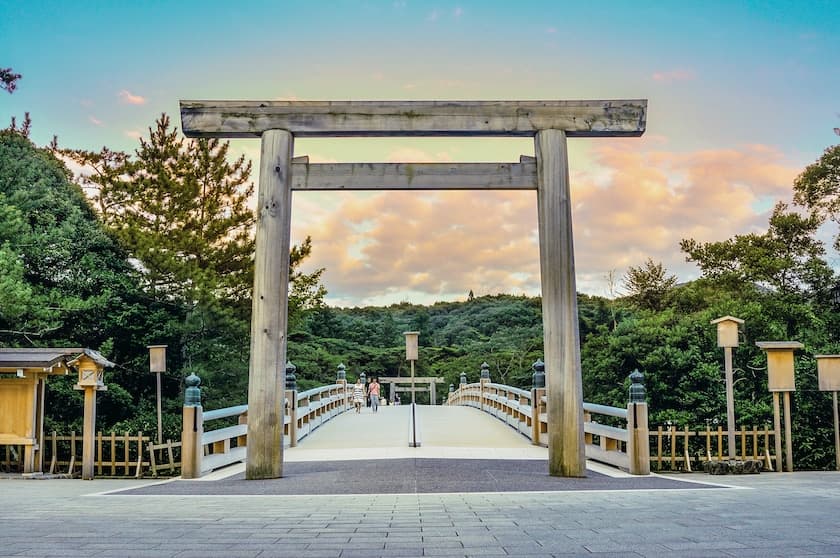
The Ise Grand Shrine, which also called Ise Jingū, is located in Ise, Mie Prefecture of Japan. It is a Shinto shrine dedicated to the sun goddess Amaterasu. Officially known simply as Jingū, Ise Jingū is a shrine complex composed of many Shinto shrines centered on two main shrines, Naikū and Gekū.
Naikū, the Inner Shrine, which also officially known as "Kōtai Jingū", is located in the town of Uji-tachi, south of central Ise, and is dedicated to the worship of Amaterasu, where she is believed to dwell. The shrine buildings are made of solid cypress wood and use no nails but instead joined wood.
Gekū, the Outer Shrine, also officially known as "Toyouke Daijingū", is located about six kilometers from Naikū and dedicated to Toyouke-Ōmikami, the god of agriculture, rice harvest and industry.[1] Besides Naikū and Gekū, there are an additional 123 Shinto shrines in Ise City and the surrounding areas, 91 of them connected to Naikū and 32 to Gekū.
General Information
- Address: Toyokawa 279, Ise, Mie
- Telephone:
- Admission: Free
- Average Visit Length: 30 minutes to one hour
Opening Hours
- October, November, and December: 5:00 – 17:00
- January to April, and September: 5:00 – 17:00
- May to August: 5:00 – 19:00
Ease of Access
Take Kintetsu Nagoya Line from Nagoya Station to Ise-shi Station (About 1h20m) Walk from Ise-shi Station (5m)
History
Amaterasu-Omikami was originally worshipped in the Imperial Palace by successive Emperors of Japan. However, during the reign of the 10th Emperor Sujin, the Holy Mirror (the symbol of Amaterasu-Omikami) was moved from the Imperial Palace. Then, during the reign of the 11th Emperor Suinin, the Emperor ordered his princess, Yamatohime-no-mikoto, to seek the most appropriate place to permanently enshrine and worship Amaterasu-Omikami. After searching in many regions, finally the princess received a revelation that Amaterasu-Omikami should be enshrined and worshipped eternally in Ise. It is approximately 2,000 years ago. In the era of the 21st Emperor Yuryaku, about 1,500 years ago, Toyo'uke-no-Omikami was, in accordance with another revelation from Amaterasu-Omikami, summoned from the north of Kyoto prefecture and enshrined in Ise.
Rituals and Ceremonies
Rituals and ceremonies of Ise Jingu to pray for the prosperity of the Imperial family, the peace of the world, and the huge harvest, are performed by the priesthood of Jingu under the direction of Amaterasu-Omikami’s direct descendent, the Emperor. Thus these rituals and ceremonies conducted at Jingu can be referred to as the Imperial rituals. These rituals are roughly divided into three groups. The first includes regularly conducted daily and annual rituals. The second are extraordinary rituals, which are conducted on special occasions for the benefit of the Imperial Family, the nation, or Jingu. The third are rituals for Shikinen Sengu conducted every twenty years. For certain important rituals among these groups, the Emperor sends the Imperial Envoy to Jingu to dedicate textiles called heihaku.
Annual Rituals
Annual rituals are based on the cycle of rice cultivation. The most important ceremony of the year is Kanname-sai, during which Jingu priests offer the first rice of the year harvested in Jingu and dedicate a prayer of gratitude to Amaterasu-Omikami for presenting the first rice to the terrestrial world through her grandson. At Kanname-sai, an ear of new rice grown by the Emperor is also dedicated to Amaterasu-Omikami.
Social Media
- Website: https://www.isejingu.or.jp/en/index.html
- Facebook: https://www.facebook.com/isejingu.official
- Instagram: https://www.instagram.com/isejingu.official/
- Youtube: https://www.youtube.com/channel/UCSgmtMZhhjCfzRZo_nWc1sg
- Official Brochure: https://www.isejingu.or.jp/en/about/pdf/pamphlet_en.pdf