Itineraries
Best Places to Go in Japan: A Quiet Luxury Travel Guide for 2026
From Tokyo's hidden counters to Kyoto's closed temples, Hakone's onsen, and Osaka's kitchens — a refined 2026 guide to the best places to go in Japan.
Japan rewards the traveler who slows down. Not the one chasing every landmark, but the one who waits for the temple gate to open before the crowds, who sits with a kiln master while the clay still turns, who eats where the menu was never written down. That is the Japan our team at Japan Royal Service builds itineraries around.
The country can overwhelm. Too many lists, too many "top ten" rankings, too much noise. This guide does something different. It names the places that genuinely reward a discerning traveler, and it explains what each one is actually for — who it suits, when to go, and how to experience it without the press of tour groups.
Consider this a map, not a checklist. Let us walk you through it.
Tokyo: Precision Beneath The Noise
Most visitors meet Tokyo at street level — bright, loud, relentless. The Tokyo worth knowing sits one layer beneath that. It lives in early-morning shrine courtyards, in basement sushi counters that seat eight, in the hush of a Ginza atelier where a craftsman has worked the same lacquer technique for forty years.
Start in Ginza. Yes, the flagship boutiques are here. But the district's real character emerges after dusk, when intimate kaiseki rooms and sushi counters open behind unmarked doors. These are not places you stumble into. They open through introduction.
Where Tradition Still Breathes
For a glimpse of the older city, Senso-ji in Asakusa remains Tokyo's most revered Buddhist temple. The trick is timing. Arrive before the gates fill, when the lanterns are lit and the prayer smoke rises into empty air. A private morning visit with a knowledgeable guide turns a tourist site into something closer to a pilgrimage.
Then there is the new layer. Fufu Tokyo Ginza brought genuine onsen calm into the city center, opening in late 2025 — a rare thing for travelers who want Tokyo's energy without surrendering the quiet of a hot-spring stay. It suits a guest who refuses to choose between metropolis and sanctuary.
The Capital's Culinary Depth
Tokyo holds more Michelin-starred restaurants than any other city on earth. That statistic gets repeated often. What matters more is access. The finest counters take a handful of guests, and reservations move through relationships, not booking platforms.
Key fact: The most coveted sushi and kaiseki rooms in Tokyo rarely accept first-time guests without an introduction. Plan three to six months ahead, and approach them through someone the chef already trusts.
Kyoto: The Heart Of Japanese Heritage
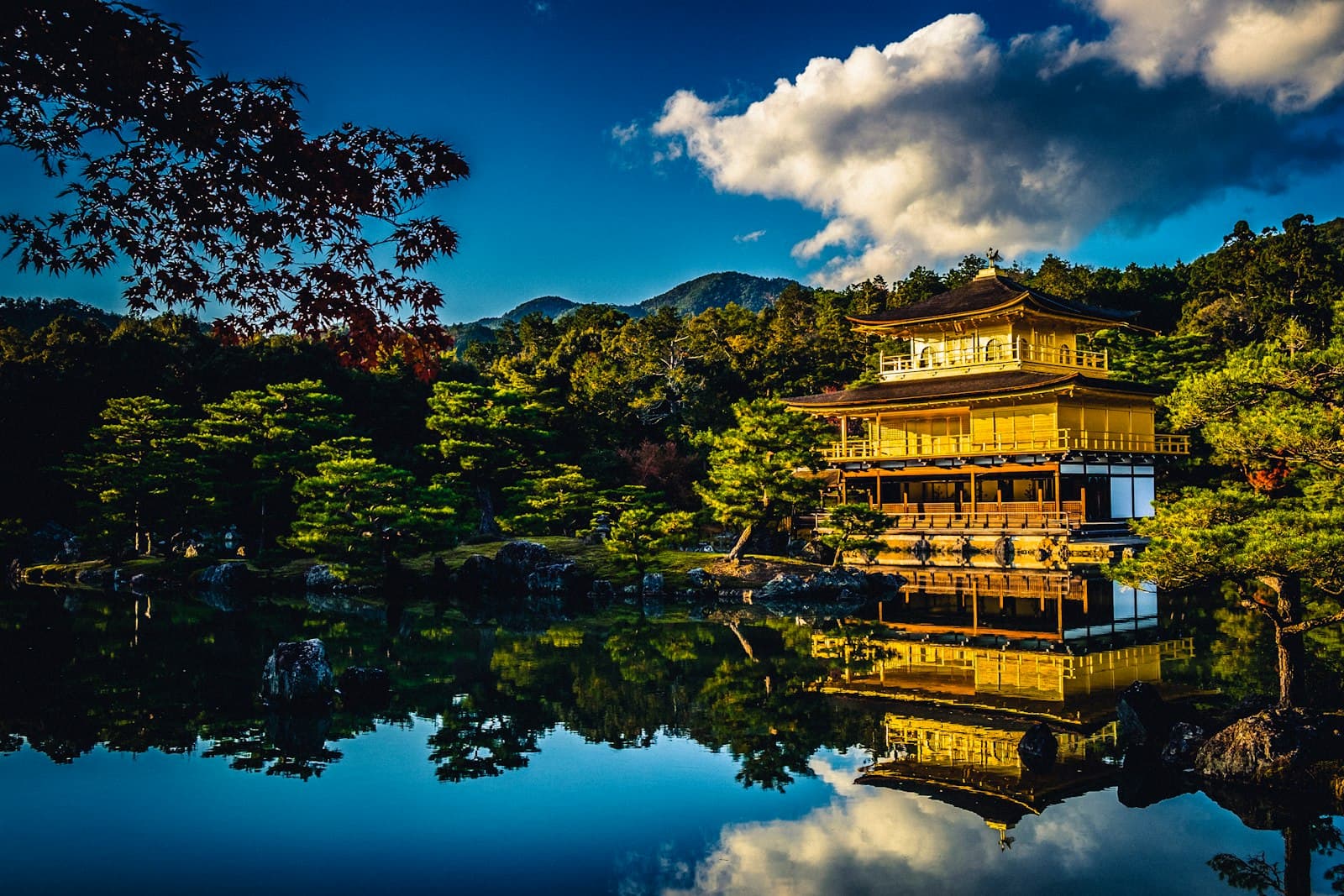
If Tokyo is precision, Kyoto is patience. The former imperial capital holds more than 2,000 temples and shrines, along with the slatted wooden machiya that still line its older lanes. This is where Japan keeps its memory.
2026 reshaped Kyoto's luxury landscape. Capella Kyoto opened on March 22, 2026 — the brand's first property in Japan, contemporary in tone yet calm rather than showy. Days earlier, on March 5, the Imperial Hotel, Kyoto opened in Gion, carrying a heritage weight that resonates with the city's imperial past. Two very different bases for two very different travelers. We help guests choose between them in our honest look at Kyoto luxury for 2026.
Temple Districts And Garden Silence
Arashiyama, on the city's western edge, pairs the famous bamboo grove with Tenryu-ji, a Zen temple whose garden has survived since the 14th century. Walk it at dawn. The difference between Arashiyama at seven and at eleven is the difference between meditation and a queue.
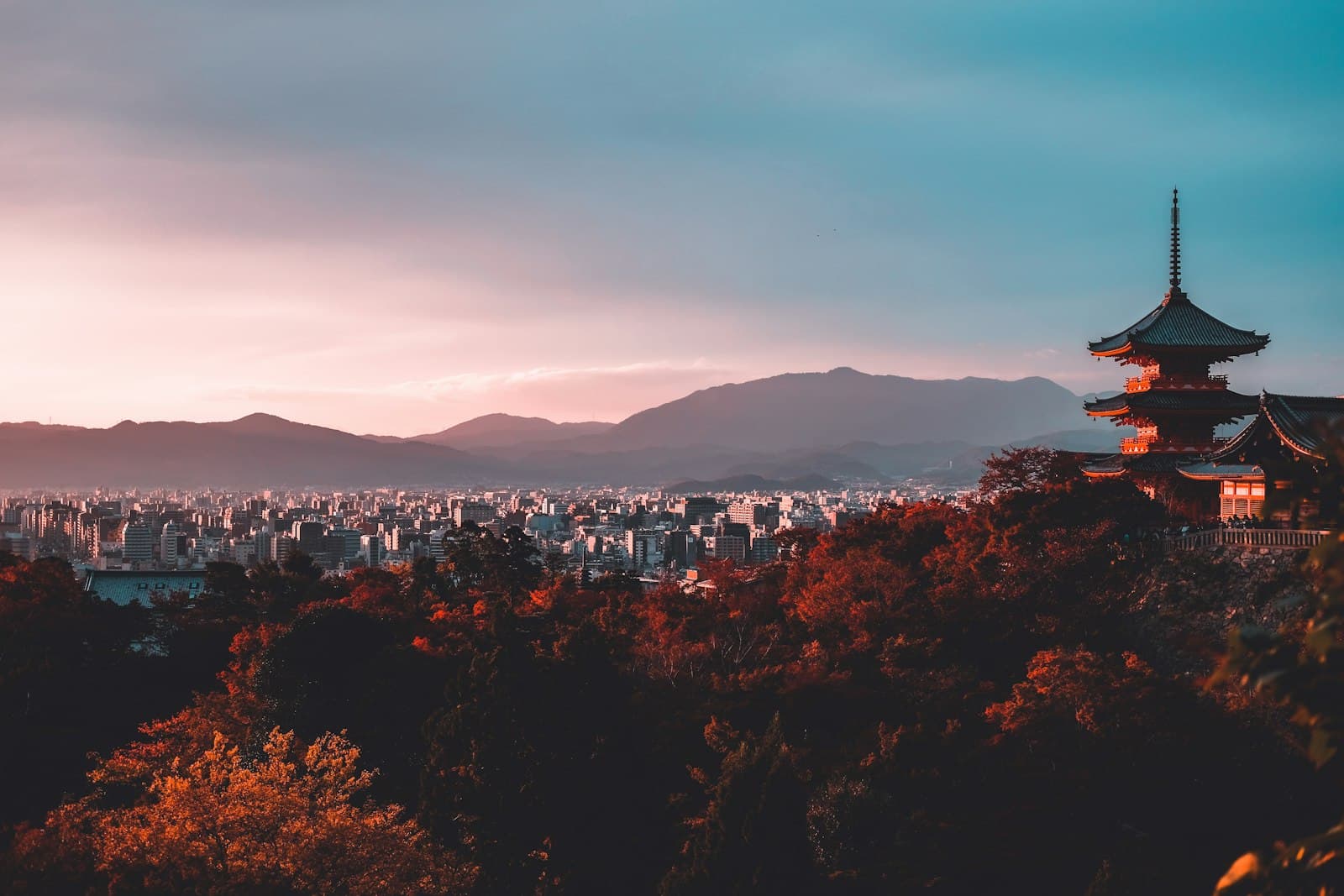
The Higashiyama slopes hold Kiyomizu-dera, its great wooden stage suspended over the hillside, and the preserved stone lanes of Ninenzaka and Sannenzaka below. Beautiful. Also crowded by mid-morning. Our concierge structures these visits around the quiet hours.
Behind The Closed Gate
Here is where Kyoto separates from the guidebooks. Certain temples open subtemples and gardens that the public never sees. Certain tea masters receive guests in rooms that hold four people. These doors do not open to money alone — they open to introduction, to a host who can vouch for you.
This is the Japan that Google cannot find. A private tea gathering in a sukiya teahouse. A morning with a ceramicist whose work sits in museums. In our experience, these introduction-only moments become the memory a guest carries home, long after the famous photographs fade.
Gion And The Geiko World
The Gion district remains one of the few authentic geiko quarters left. Walk Hanamikoji at dusk and you may glimpse a maiko hurrying to an engagement. But the real experience happens inside the ochaya, the tea houses, at a private ozashiki — an evening of dance, conversation, and games that only opens through established relationships. It is among the most guarded cultural experiences in the country.
Mount Fuji, Hakone, And The Onsen Country
No honest guide to Japan skips Mount Fuji. The mountain's near-perfect cone has shaped Japanese art and spirit for centuries, and seeing it on a clear winter morning is worth arranging your route around.
The Hakone region below the mountain holds some of Japan's finest ryokan. These traditional inns turn hospitality into something close to art — multi-course kaiseki built around the season, private outdoor baths, gardens made for slow walking. A good ryokan night is restorative in a way a hotel cannot match.
Going Where The Crowds Don't
Hakone is wonderful and, frankly, busy. For travelers who want the onsen ritual without the saturation, we increasingly point toward Kusatsu, one of Japan's great hot-spring towns. Hoshino Resorts opened KAI Kusatsu on June 7, 2026, giving us a fresh, refined anchor in a town with some of the most mineral-rich waters in the country. It is a quieter Japan, and that is exactly the point.
What a premium ryokan stay typically offers:
- A private open-air bath, often with a mountain or garden view
- Seasonal kaiseki prepared by a master chef
- An attentive, near-silent style of service that anticipates need
- Access to cultural sessions — calligraphy, ceramics, tea — arranged on request
Osaka: Japan's Kitchen, Refined
If Tokyo refines and Kyoto reflects, Osaka feeds you. The city earned its nickname, "Japan's kitchen," through centuries of merchant energy and an unembarrassed love of flavor. This is the best base in Japan for a serious food traveler.
The Dotonbori canal district runs loud and bright, all neon and grilled smells. Beyond the spectacle sit the kappo counters — intimate, chef-led, where the cooking happens at arm's length and the conversation is half the meal.
Bold Flavors Done Properly
Osaka celebrates dishes that other cities would call street food and then elevates them. Takoyaki — octopus folded into a molten batter ball — was perfected here over generations. Okonomiyaki, kushikatsu, the standing sushi bars: all of it rewards a guide who knows which counter actually delivers, not just which one has the longest line.
Osaka also makes a sharp launch point for Nara, less than an hour away, where Todai-ji's great bronze Buddha and the deer-filled parkland make an easy, rewarding day. Our chauffeured day tours connect these dots without the friction of public transit.
How To Plan And When To Go
Timing is the quiet skill behind a great Japan itinerary. The Japanese sense of seasonality runs deep — what to eat, where to stand, which garden peaks in which week. Getting this right is much of what a thoughtful concierge actually does.
| Season | What It Offers | Best For | |---|---|---| | Spring (late Mar–Apr) | Cherry blossom, mild air | Kyoto gardens, first-time visitors — book far ahead | | Summer (Jun–Aug) | Festivals, green mountains | Tohoku, Hokkaido, mountain onsen | | Autumn (Oct–Nov) | Maple foliage, clear skies | Kyoto, Hakone, Mount Fuji views | | Winter (Dec–Feb) | Crisp air, fewer crowds, snow | Clearest Fuji views, Hokkaido snow, quiet temples |
A practical sequence many of our guests favor: three nights in Tokyo, a chauffeured transfer through Hakone or up to Kusatsu, then three or four nights in Kyoto, with Osaka and Nara as day excursions. It is unhurried. It lets each place register.
Common Questions From Discerning Travelers
How Many Days Do I Need For Japan's Best Places?
Seven to ten nights covers Tokyo, Kyoto, and the Fuji or onsen country comfortably. Less than five and you spend too much time moving. More than two weeks lets you add Hokkaido, Kanazawa, or the islands further south.
Is It Better To Base In One City Or Move Around?
For first visits, we usually recommend two bases — Tokyo and Kyoto — with day trips out from each. Constant repacking dulls the experience. A strong base lets the rhythm settle.
Can I Get Into The Restaurants And Temples That Aren't Open To The Public?
Some, yes — but only through introduction, never through a booking site. These doors open on trust between host and intermediary. That is precisely the kind of access our team has spent years cultivating, quietly.
When Is Mount Fuji Most Visible?
Winter mornings, particularly December through February, give the clearest, sharpest views. Summer haze often hides the peak entirely, even on warm days.
Why Choose Japan Royal Service
The places in this guide are public knowledge. The way you experience them is not. That gap — between the famous landmark and the private morning inside it — is the whole of what we do.
Our team at Japan Royal Service works only with travelers who value discretion and depth over spectacle. We protect guest identity and itinerary completely. We hold the introductions that open a tea master's room or a chef's counter. And we move you through the country in a chauffeured fleet — the Lexus LM 500, the Mercedes V-Class, the Toyota Alphard — so the transitions feel as considered as the destinations.
We do not hand you a list. We build a journey around how you actually want to feel in Japan: unhurried, looked after, and shown the version of the country that does not appear in search results. From airport arrival to the final morning, our concierge stays on call.
If you are weighing where to go in Japan and want it done with restraint and genuine access, we would be glad to talk. Reach our concierge through the contact form or directly via WhatsApp for tailored, confidential guidance. Tell us what moves you, and let us draft a quiet, exceptional itinerary in reply.