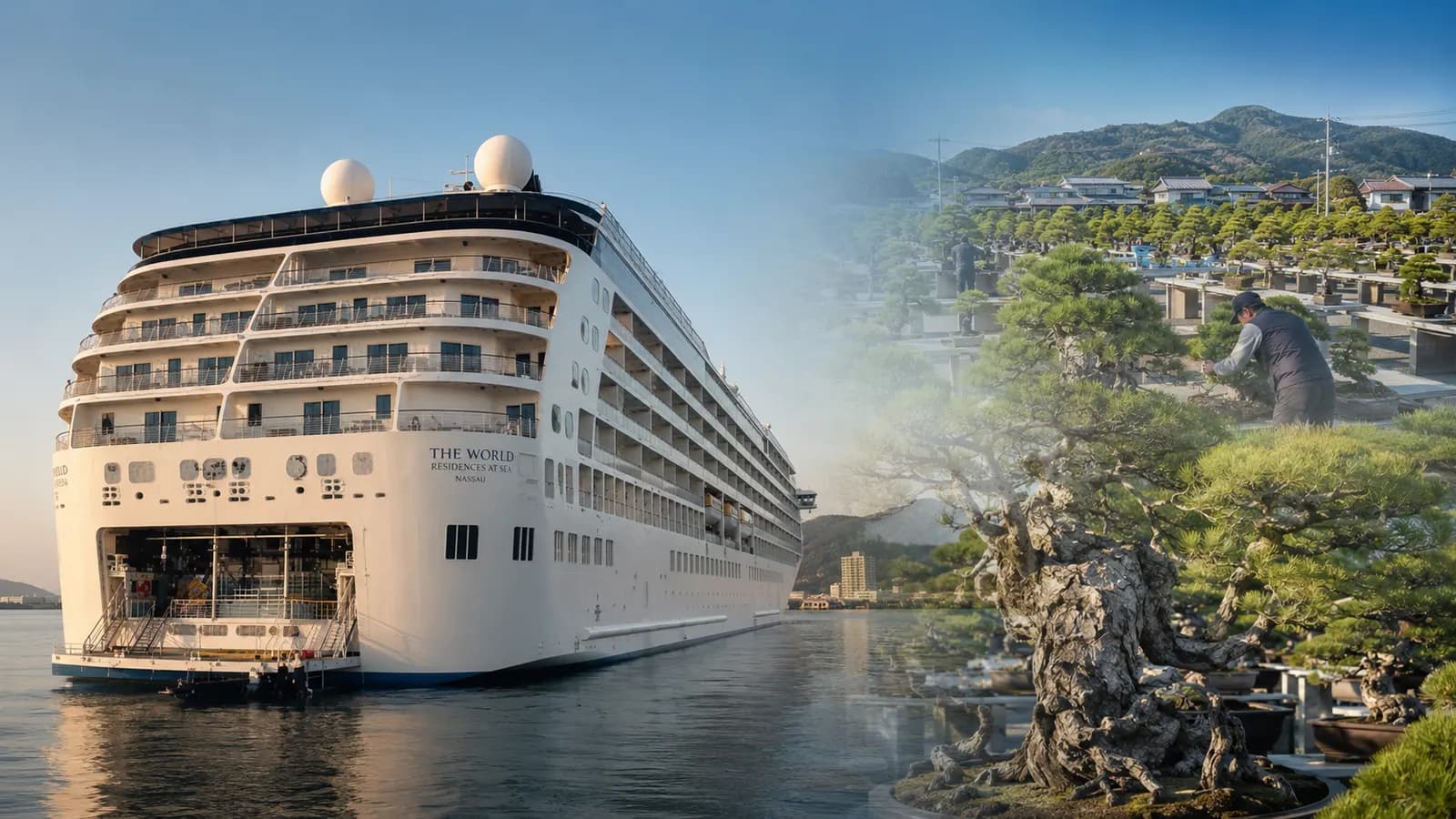
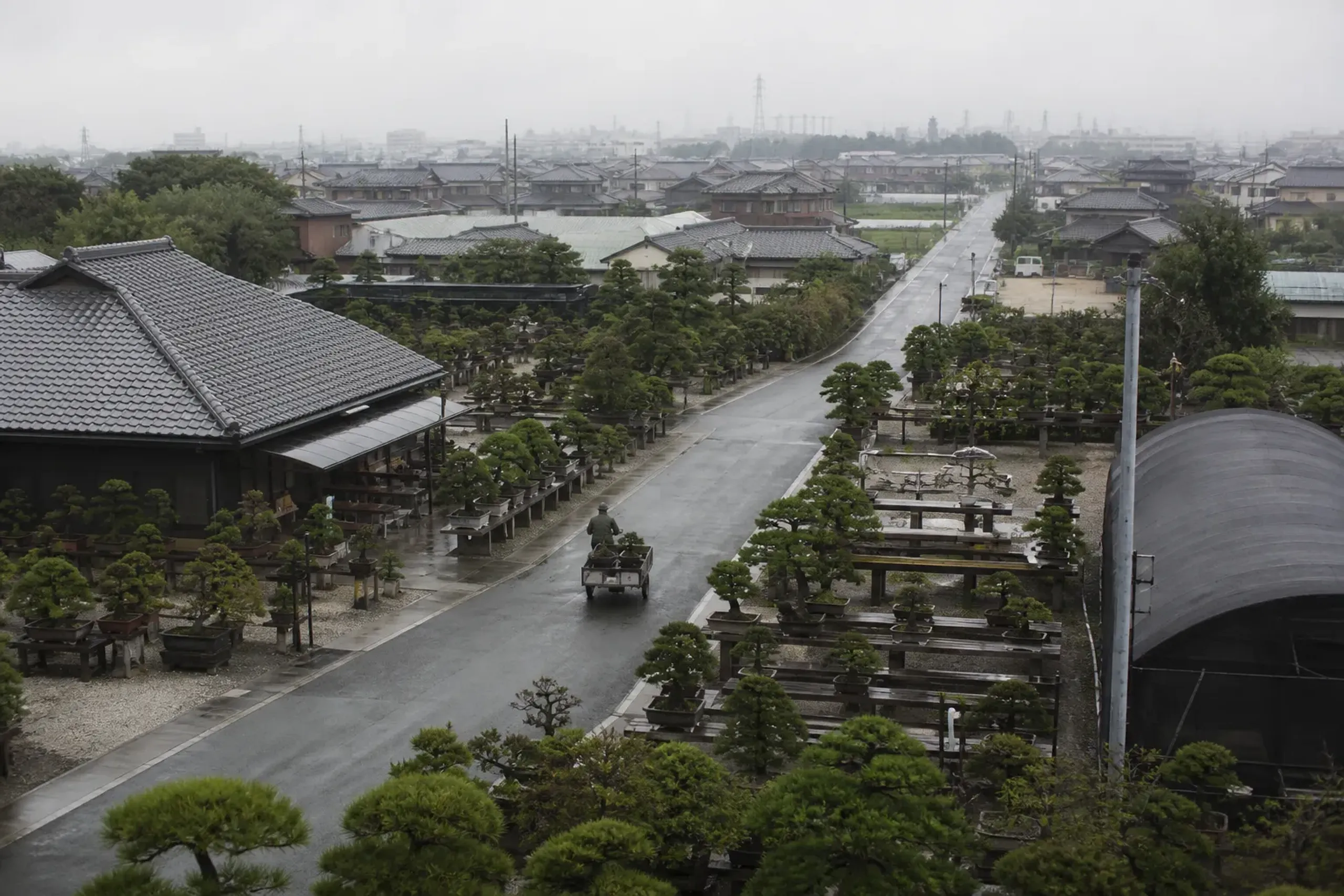
Stand at the edge of a field in Kinashi on a still morning and the first thing that surprises you is that it is a field. Rows of pines, waist- to shoulder-high, planted in the open ground in ranks as regular as any orchard, each one clipped into a dense rounded crown. Locals describe the sight as rows of enormous broccoli, and the description is exact. This is not a garden. It is farmland — and roughly four out of every five pine bonsai in Japan begin their lives in soil like this, in two districts on the western edge of Takamatsu.
Not sold here. Grown here. In open fields, from seedlings and grafts, for years and often decades before anyone buys them.
It is a landscape almost nobody photographs: pines in regular rows, in the ground, shaped by people who fully expect to hand the tree to a successor before it is finished. Where the bonsai village at Omiya is where trees are displayed, traded and exhibited — the subject of our Japan Royal Service guide to that district — Kinashi and Kokubunji are where they are grown. This is a production landscape, and it reads nothing like a gallery. If you have read our showcase of a private bonsai masterclass, set this apart from it too: here the story is the field, the seedling, and the slow raising of a tree from nothing.
Grown from seed, not bought and trained
Almost everywhere else, a bonsai garden buys a semi-mature pine and trains it.
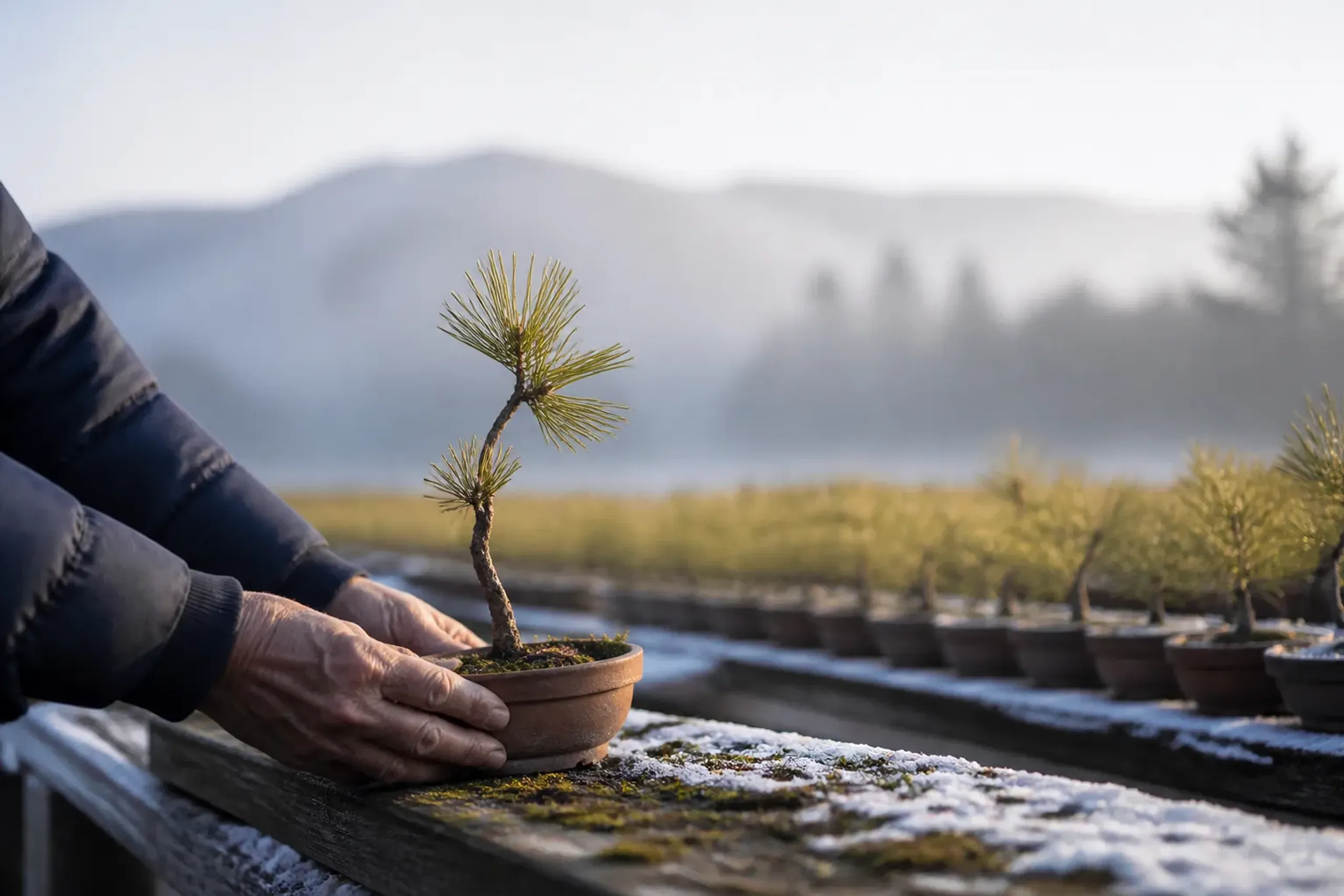
In Kinashi and Kokubunji they raise trees from seedlings and grafts, because these are production districts rather than showrooms. For that reason the growers here are called bonsai sakka — makers, not dealers. The distinction matters. A dealer selects; a maker begins the tree.
Between the two districts there are around sixty bonsai gardens, and together they produce roughly eighty percent of Japan's pine bonsai. A grower will walk you along the rows and tell you which trees he inherited, which he grafted himself, and which he expects not to live to finish.
Two hundred years of it — soil, climate and the grafting knife
The trade began about two hundred years ago, in the Bunka era of the Edo period, when local enthusiasts potted pines growing wild on the nearby hills and islands and sold them. It concentrated here for the same practical reasons stonecutting concentrated on the other side of the city: the land suited it.
The climate is warm, with low rainfall, long hours of sunshine and only small seasonal swings in temperature. The soil is a granite-derived sandy loam that drains freely. Pines raised in it are reputed to resist root rot and to travel without damage — a commercial fact as much as a horticultural one, and one that still shapes which trees can be sold abroad today. Grafting and pruning skills that had developed in the district's fruit cultivation were carried across into pines, and the two crafts fused.
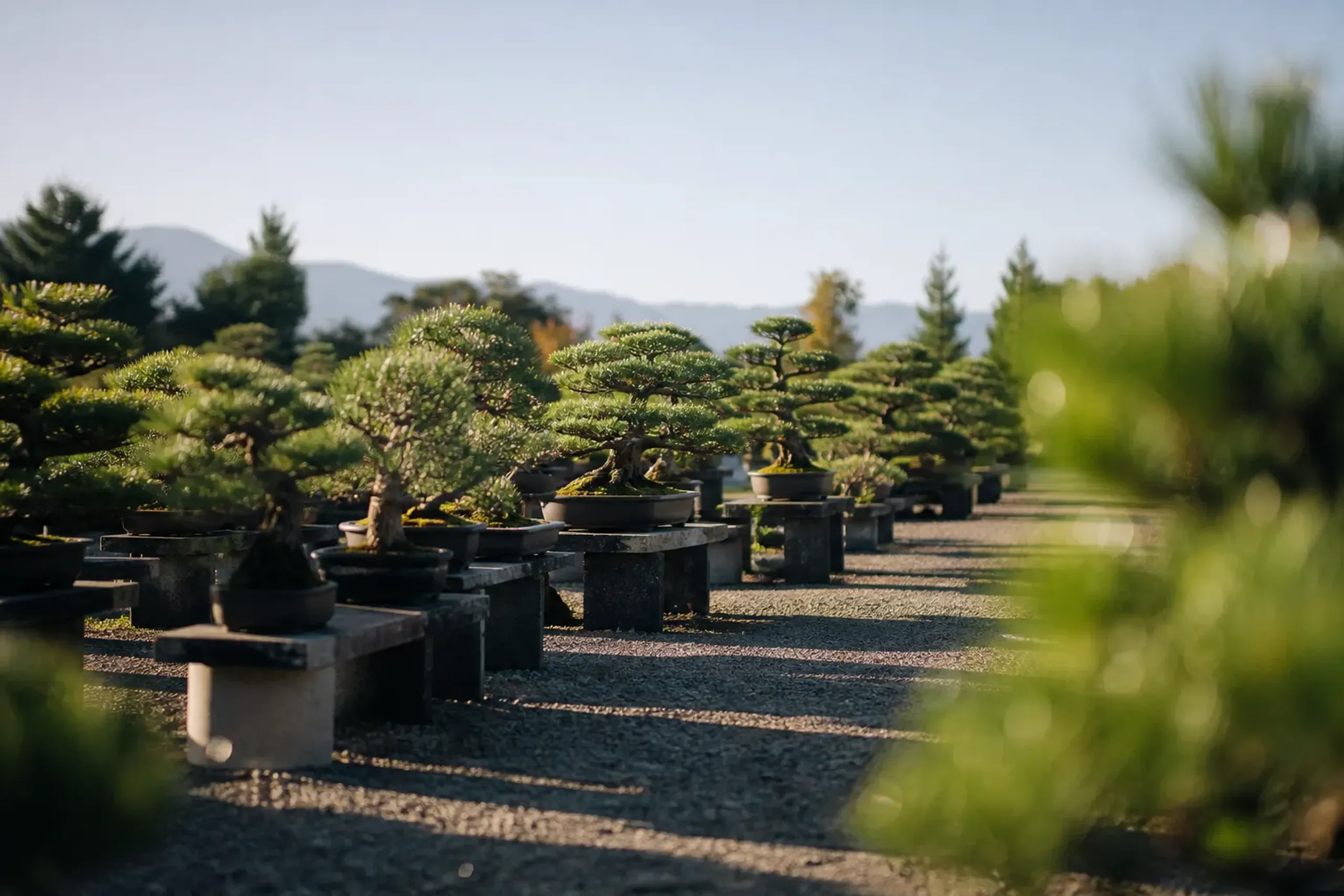
In 1894, Suezawa Kiichi of Kokubunji, working with growers in Kinashi, succeeded in grafting nishiki-matsu, and mass production became possible. That single breakthrough is why the districts grew into what they are.
Then the trade almost vanished. During the Second World War the pine fields were cut for firewood, and what had taken generations to raise was burned in a few seasons. It was rebuilt afterwards from grafts taken off the few trees that had survived at the edges of the fields. A whole industry reconstructed from cuttings off field-edge survivors is a truer story than any claim about unbroken heritage — and standing in the rows today, you are looking at its result.
The national thread runs through here too. Matsudaira Yorinaga, twelfth lord of the old Takamatsu domain, was a keen bonsai enthusiast and founded the Kokufu Bonsai Association in 1934, forerunner of the Japan Bonsai Association — the same national story our Omiya guide tells from the other end.
The trees, and the district's own pine
What grows in these fields is chiefly pine, in several kinds.
- Kuromatsu, black pine — thick, dark trunk, and long called the king of bonsai.
- Goyōmatsu, five-needle pine — including hundred-year-old trees collected from the mountains, alongside seedlings and grafts onto black-pine rootstock.
- Akamatsu, red pine — reddish bark, softer needling, historically called the female pine and favoured by the literati.
- Nishiki-matsu — a black-pine variant whose bark forms thick corky plates that crack in a tortoiseshell pattern, giving the tree an aged appearance. It originated here; it is the district's own cultivar.
Value follows age and form, not size.
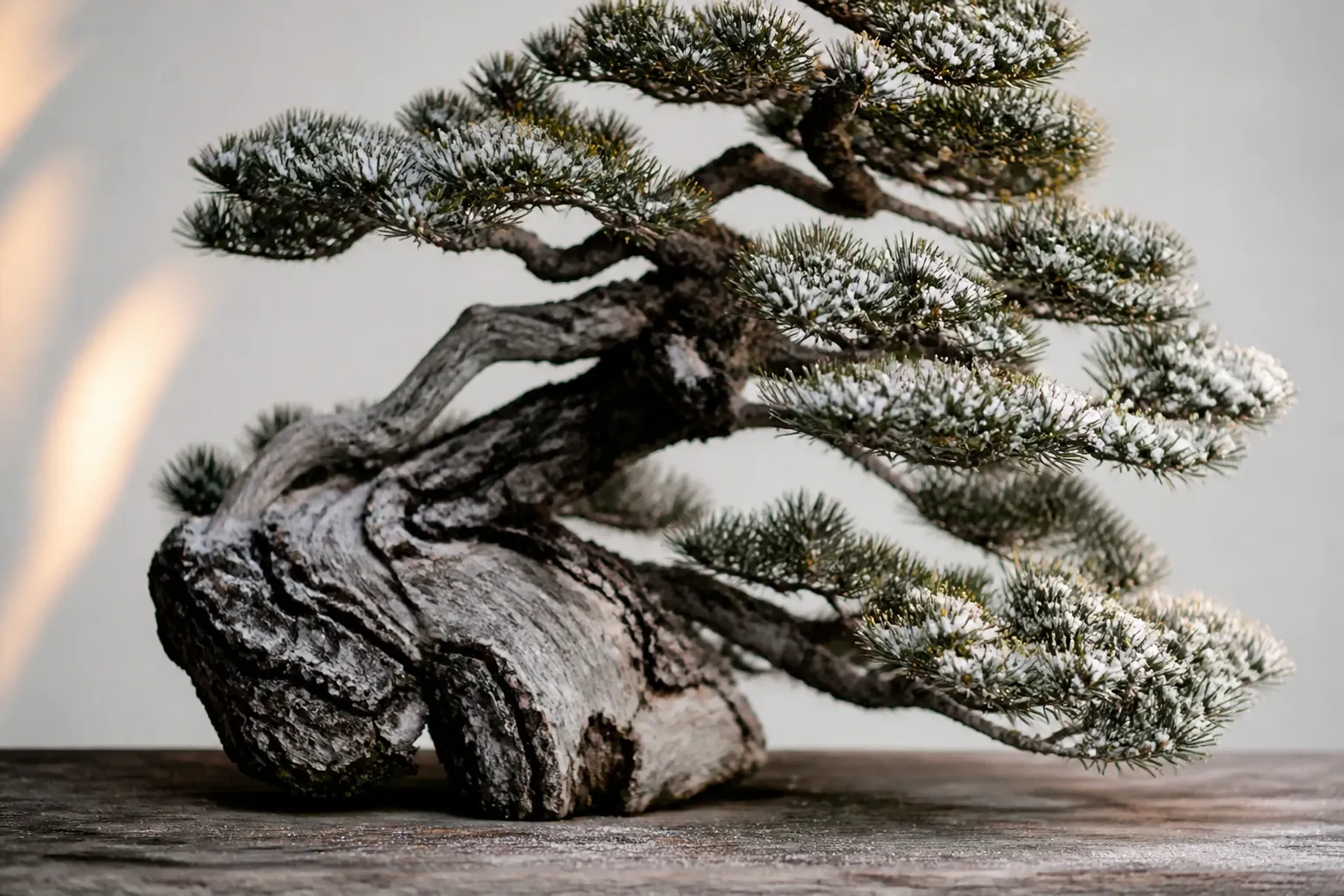
Some of these trees have been in the same family for over three centuries — raised, shaped and passed on across more lifetimes than most houses stand.
What a visit involves
A grower's estate here can offer three things in sequence.
First, the garden and the fields themselves, with the trees explained — why this one is being trained away from the light, why that one has had a branch removed that took ten years to grow.
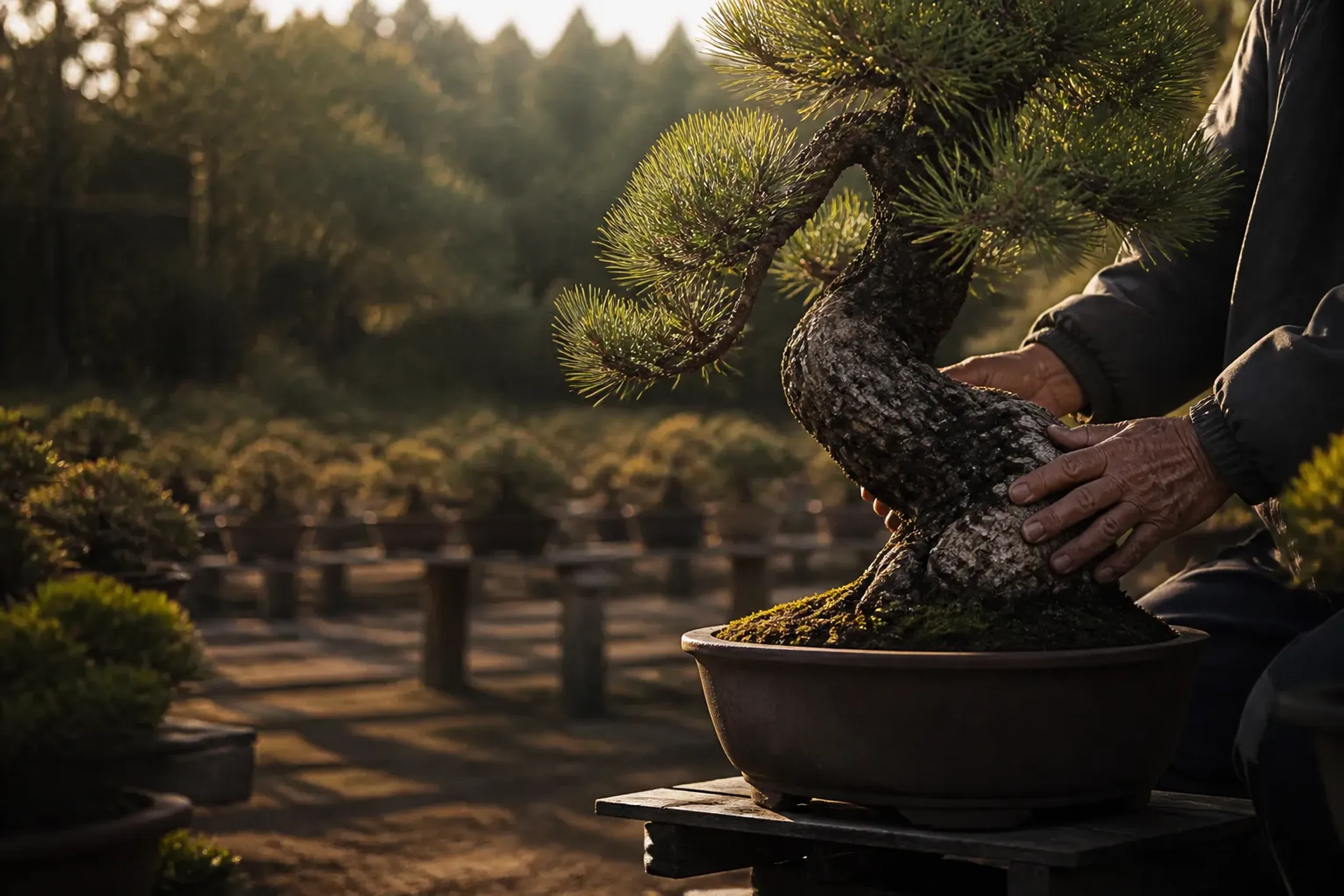
Then a pruning demonstration. This is the part that changes people's minds about the craft. It is not decoration; it is a series of irreversible decisions made decades apart, and watching a grower stand before a tree and choose not to cut is as instructive as watching him cut. There is a particular silence to it — a grafting knife, the smell of pine and wet soil, and a maker weighing a decision he will not be alive to see resolved.
Then, if you want it, your hands on the work. The introductions we arrange put you with a named grower, not a demonstrator on rotation.
The centres, the auction and the shrine
Beyond the private gardens, the districts have several places worth walking.
Takamatsu Bonsai no Sato, run by JA Kagawa, opened in April 2020 at Kokubunji. Around ten thousand trees are on display from roughly fifty growers, ranging from the very modest to serious sums.
It is open 8:30 to 17:00, closed 1 to 3 January, and runs moss-ball workshops and a bonsai school.
The Kinashi Ueki Bonsai Center, at Kinashi-chō, keeps shorter hours. An auction market runs there on the 5th, 15th and 25th of every month, drawing buyers from across western Japan — trade only, by registration. Bonsai Street climbs uphill from JR Kinashi Station, lined with gardens on both sides.
The Bonsai Shrine at Kokubunji, at the foot of Mount Igari, is the only shrine in Japan dedicated to the gods of trees and flowering plants. Please confirm hours and auction dates close to the date of a visit; they change.
Export — the question that comes before the tree
This is the most useful section on the page, and it is worth reading before choosing anything. The export question shapes which garden a client visits, not merely which tree they choose — because a tree from the wrong garden cannot leave the country however fine it is.
For export to the EU, a tree must have been grown at an officially registered bonsai nursery for at least two years before shipment, kept in pots on benches at least 50cm above the ground, with measures taken against rust diseases not present in Europe. A tree bought from an unregistered garden cannot go, whatever its quality. The registered-nursery requirement is the practical gate, and it is why we steer the choice of garden first.
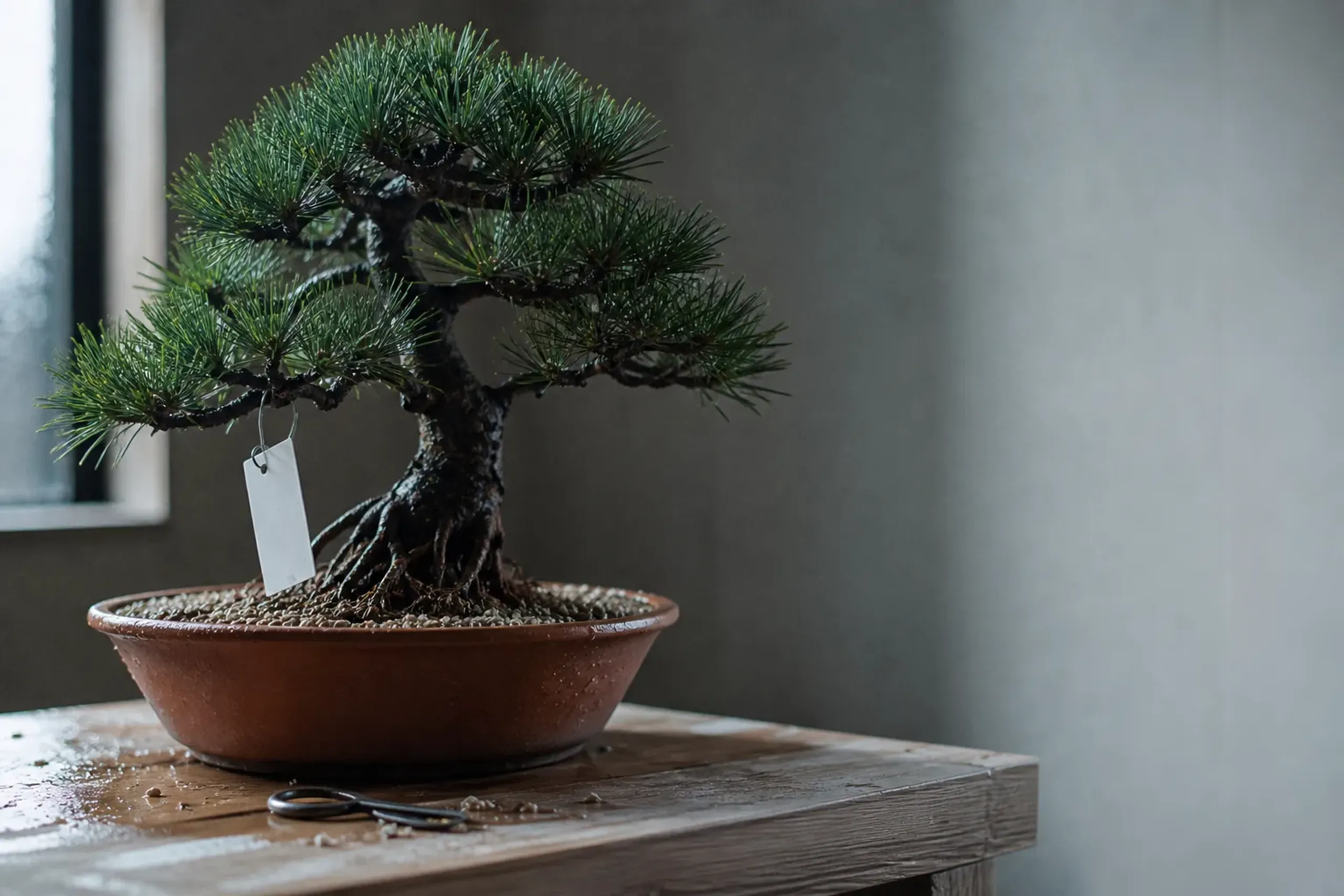
Pines and their relatives sit on the EU's prohibited list, but a derogation permits Japanese-origin trees that meet specified conditions. Five-needle pine was already allowed; black pine has been permitted since 1 October 2020, including either grafted onto other Japanese pine rootstock. Juniper bonsai may enter the EU only between 1 November and 31 March.
The largest destination for Japanese bonsai exports is Taiwan, followed by the United States, China and the EU. Taiwan and many other destinations prohibit soil altogether: the roots are washed, treated to remove nematodes, and wrapped in moisture-retaining material. Losses from needle die-back and outright death occur in transit and after repotting — a real risk, not a formality, and one you should weigh before you commit to a particular tree.
Conditions differ by species and by destination, and they change. The position must be established for the specific tree and the specific country before purchase — and we confirm it first, so that the answer is known at the point of choosing rather than the point of packing.
What we arrange
Japan Royal Service arranges the grower and field visits, access to the bonsai centres, introductions to named growers, and the export handling. Each of those is made in Japanese, with the people who own these places, so that a grower's forty years of decisions become legible rather than merely picturesque. Where the choice of tree and the choice of country need to be reconciled, we settle that before you buy.
The districts sit about twenty minutes from the centre of Takamatsu by private car and chauffeur, and a visit rewards the notice it needs to set up properly.
Season
Timing changes what you see. Winter shows the deciduous trees stripped back to trunk and branch, and the pines standing dark against bare ground — the structure of the whole craft laid open. Growers work year-round, and some weeks are far busier than others; it is worth asking before arriving in the heaviest ones. Knowing what to see in which month is part of what we hold for you.
These are working nurseries, not showrooms — and that is the pleasure of them. If a field of pines raised from seed, a grafting knife, and a tree older than the family that keeps it sounds like your kind of afternoon, contact us here. We do not publish our clients, our itineraries, or our rates.